
Benmingnian - Your Zodiac Year
本命年
The every-twelve-years return to your birth animal — the year you must wear red.
Origin Story
What Is Benmingnian?
Benmingnian (literally ‘the year of one’s appointed life’) returns every twelve years when the zodiac animal of the new year coincides with one’s birth animal. The year is treated as a period of bodily, emotional, and financial vulnerability — not because the cosmos punishes you, but because the cycles that shape a life come back into resonance.
In popular talk, benmingnian is associated with bad luck. In folkloric practice, it is associated with attention: people take greater care with health, finances, and relationships, and adopt protective talismans. The red belt on the waist, the red string on the wrist, and the red underwear on New Year’s Day are the three canonical gestures.
Benmingnian is the year of your own zodiac sign — the year in which your birth animal is again the year's animal. Every twelfth year becomes a cycle of heightened attention: people wear red underwear, hang red belts, and observe taboos to ward off the Tai Sui, the Grand Duke Jupiter of that year.
Powers & Symbols
Attributes & Artefacts
Click each card to reveal the details behind Benmingnian - Your Zodiac Year's divine attributes.
Magical Artifacts & Weapons
Benmingnian - Your Zodiac Year's Divine Arsenal
The legendary weapons and treasures wielded by Benmingnian - Your Zodiac Year — each with its own origin story, powers, and mythological significance.
Historical & Cultural Meaning
Beyond the Myth
How Tai Sui Shapes the Year
Each year of the sixty-year cycle is presided over by a Tai Sui (Grand Duke) whose name and elemental nature determine the year’s general mood. When benmingnian coincides with your zodiac animal, you are said to ‘clash with Tai Sui’ (犯太岁) — a clash with the year’s presiding deity.
There are actually several finer categories of clash: ‘fan Tai Sui’ (direct clash), ‘po Tai Sui’ (breakage), ‘ci Tai Sui’ (piercing), and ‘hai Tai Sui’ (harm). Each has a slightly different remedy. Many temples sell annual Tai Sui amulets (太岁符) for a small donation; the most popular ones are dispatched at the first incense of the new year.
Body, Mind, Money
Benmingnian warns against overreach. Major surgeries, large loans, marriages to incompatible partners, and dramatic moves are usually deferred to a non-benmingnian year. Folk wisdom does not say one cannot do these things — it says one should be more careful.
Approaching benmingnian is also a ritual moment: the family visits temples, the elders give advice, the children receive red envelopes even from those who would not give them in ordinary years. In the larger calendar of Chinese life, it is a kind of personal New Year — a reset and a reckoning.
Beyond Superstition
Skeptics interpret benmingnian as a cognitive frame: people expect bad luck in benmingnian, so they remember the bad events and forget the good ones. Folklorists read it as a deliberate slowdown — the year of full attention that forces you to look at one’s life carefully.
Whichever reading one prefers, the tradition has real social effects: it changes behavior. People in benmingnian are slightly more careful with health, more attentive to kinship, more generous to charity. The superstition, if it is one, makes a better society.
Mythology Network
Connections & Relationships
Benmingnian - Your Zodiac Year is woven into a larger web of gods, creatures, and legends. Explore the connections below.
Benmingnian - Your Zodiac Year
本命年

Tai Sui - The Grand Duke Jupiter
The presiding deity of each year — whose moods you must not collide with.

Chinese Zodiac Compatibility Chart
The classical matching of the twelve animals in marriage, business, and friendship.
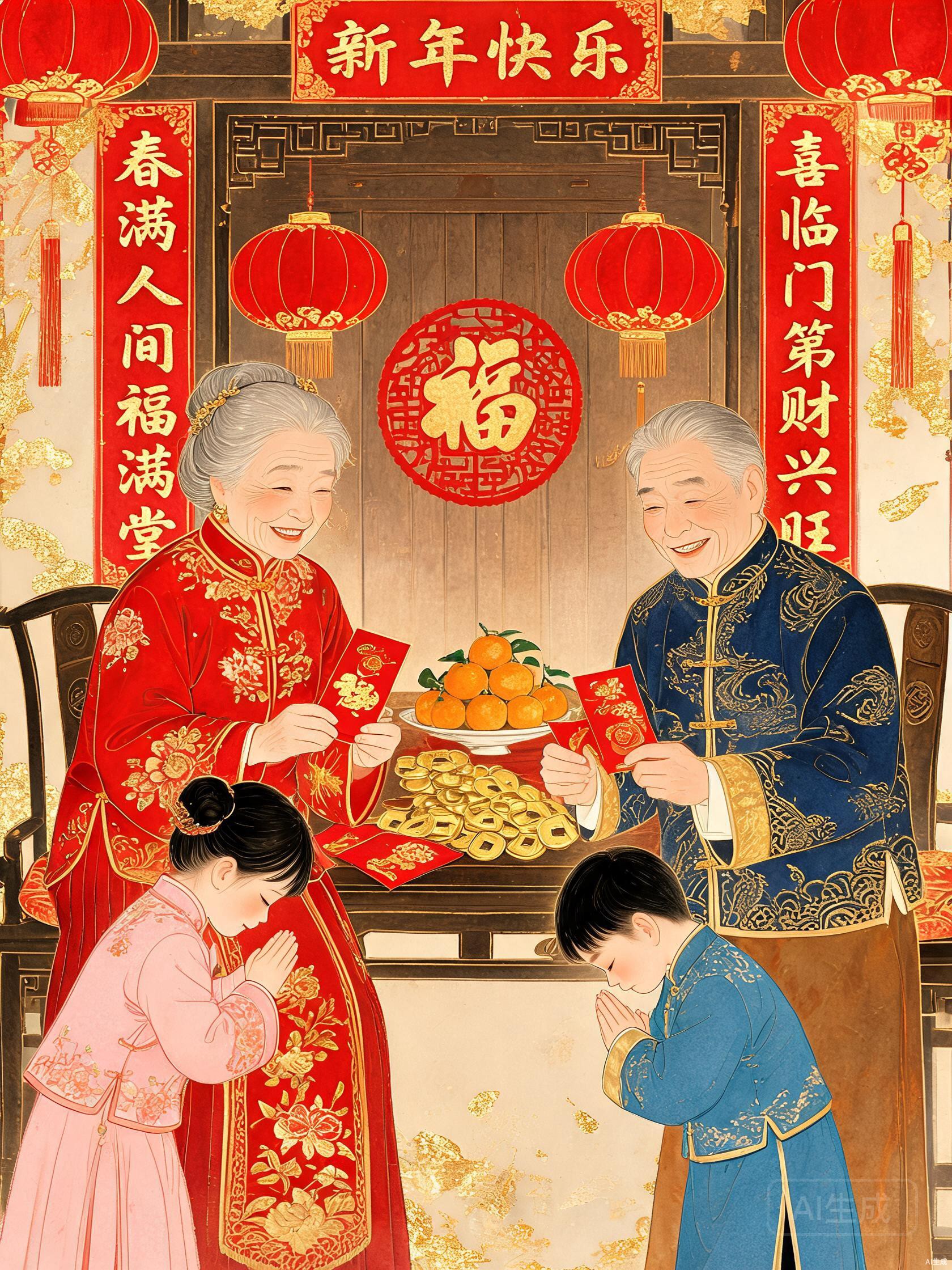
Red Envelopes (Hongbao)
The gift of red envelopes that carries blessings, luck, and the power to suppress evil.
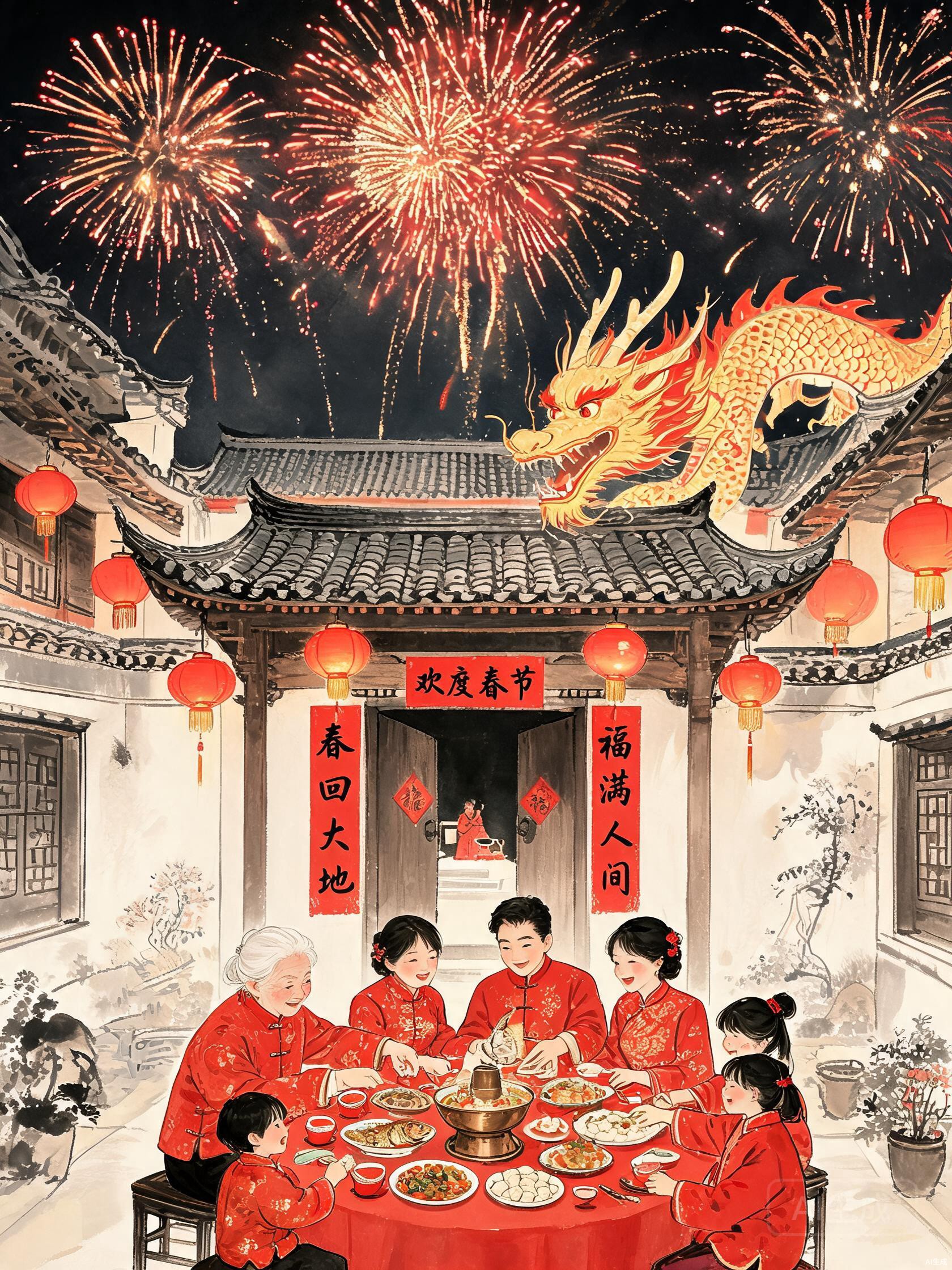
Spring Festival (Lunar New Year)
The most important festival in Chinese culture, celebrating the turning of the lunar year.