
Auspicious Clouds
祥云
The curling cloud motif that brings heaven’s blessing — the most ubiquitous decoration in Chinese art.
Origin Story
What Is a Xiangyun?
Auspicious Clouds are the spiraling, gourd-shaped cloud forms at the heart of Chinese decorative art. Unlike Western art’s natural clouds — vaporous and ethereal — Chinese auspicious clouds are symbolic: each curl is a stylized blessing, in code form, awaiting reading by someone who knows the language.
The simplest form is the ‘ruyi-head’ cloud, a single curl. A more complex form is the ‘linked-curl’ cloud, where three or five curls link together like beads. The most elaborate is the multicolored Buddhist auspicious cloud — five colors stacked horizontally, each representing a stage of the bodhisattva path.
Auspicious Clouds (Xiangyun) are the stylized curling cloud forms that decorate nearly every surface of traditional Chinese art — from paintings to porcelains, carvings to embroidery, calligraphy to architecture. Each curl is a unit of blessing; a denser pattern carries more blessings.
Powers & Symbols
Attributes & Artefacts
Click each card to reveal the details behind Auspicious Clouds's divine attributes.
Magical Artifacts & Weapons
Auspicious Clouds's Divine Arsenal
The legendary weapons and treasures wielded by Auspicious Clouds — each with its own origin story, powers, and mythological significance.
Historical & Cultural Meaning
Beyond the Myth
Eight Auspicious Symbols
In Tibetan and Chinese Buddhism, the cloud is one of the Eight Auspicious Symbols (Bōji Xiang / Ashta Mangala). The cloud represents the rain that nourishes all living things, and the long life that follows from heaven’s favor. The Eight Symbols include the lotus, the dharma wheel, the conch, the golden fish, the parasol, the treasure vase, the victory banner, and the knot of eternity.
In Chinese landscape painting the auspicious clouds often appear at the top of a mountaintop, signifying that the mountain reaches into heaven. They may hover at the feet of an immortal or surround the throne of a Buddha. Where there is life, the clouds gather.
Modern Uses
Auspicious clouds are everywhere in contemporary Chinese visual culture — from national airline logos (China Eastern’s logo is a stylized cloud) to building facades, wedding dresses, and furniture. They are also an internet motif: the cloud emoji carries the auspicious cloud in digital form, sent in chat to mean ‘heaven blesses this.’
In fashion, the cloud is used in modern ‘guofeng’ (national wind) designs: wedding gowns with curling cloud hems, menswear with cloud-printed linings. Designers especially love the cloud because it is abstract enough to be modernist yet recognizable enough to be Chinese.
Reading the Cloud
When meeting a traditional Chinese motif, look for the cloud. It will tell you the genre and intent of the work: a Buddhist work will have multicolored clouds; an imperial work will have gold clouds; a wedding scene will have red clouds; a Daoist immortal scene will have blue clouds.
Each cloud is a word in a visual language that has been composed for over two thousand years. Beginners can recognize the forms; advanced readers can decode the relationships between them. It is a small but rewarding specialization within Chinese art history.
Mythology Network
Connections & Relationships
Auspicious Clouds is woven into a larger web of gods, creatures, and legends. Explore the connections below.
Auspicious Clouds
祥云
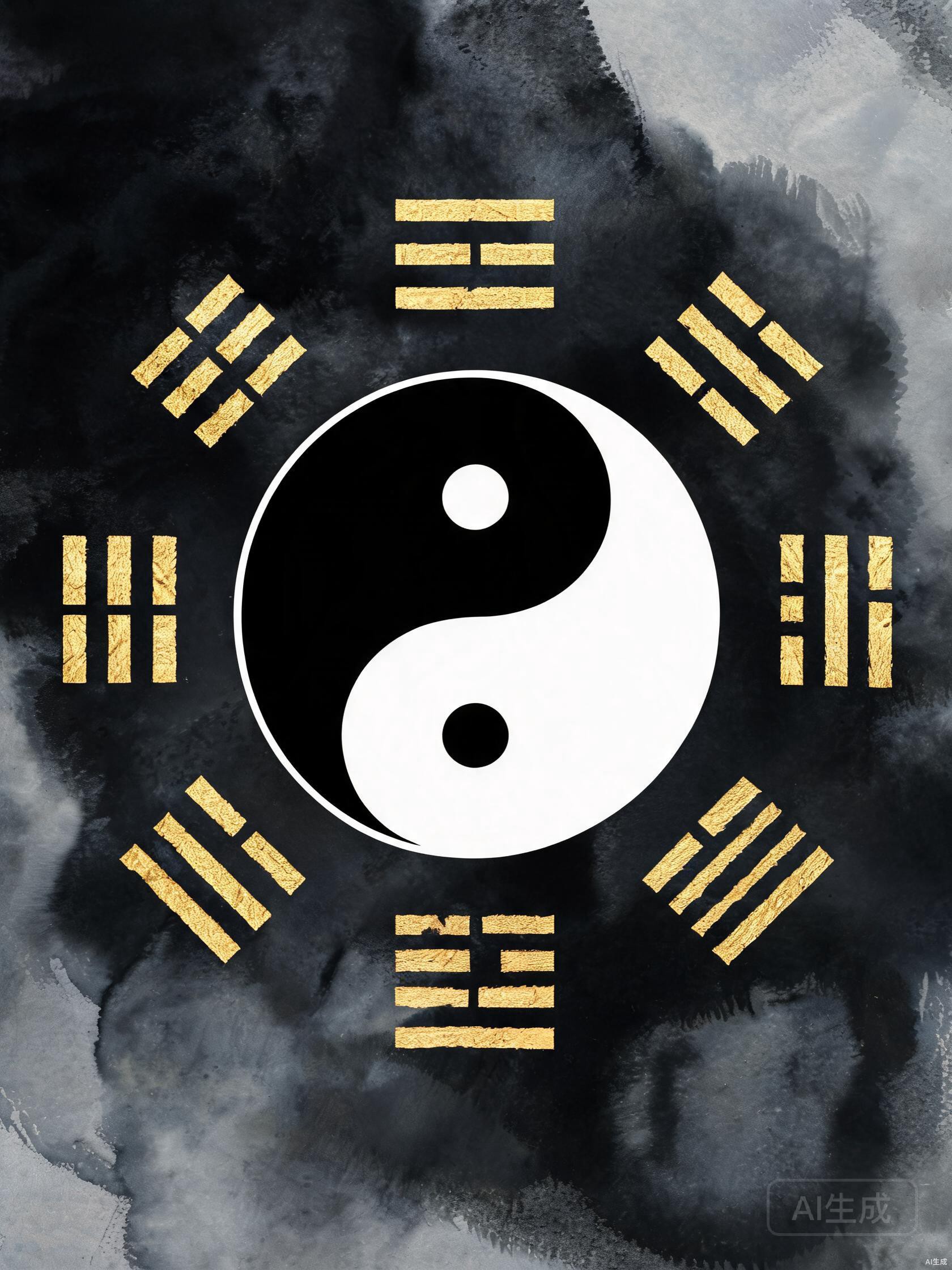
Bagua (Eight Trigrams)
The eight trigrams that encode the fundamental patterns of reality — the universe in eight symbols.

Yin and Yang
The fundamental duality that governs the Chinese understanding of the universe.
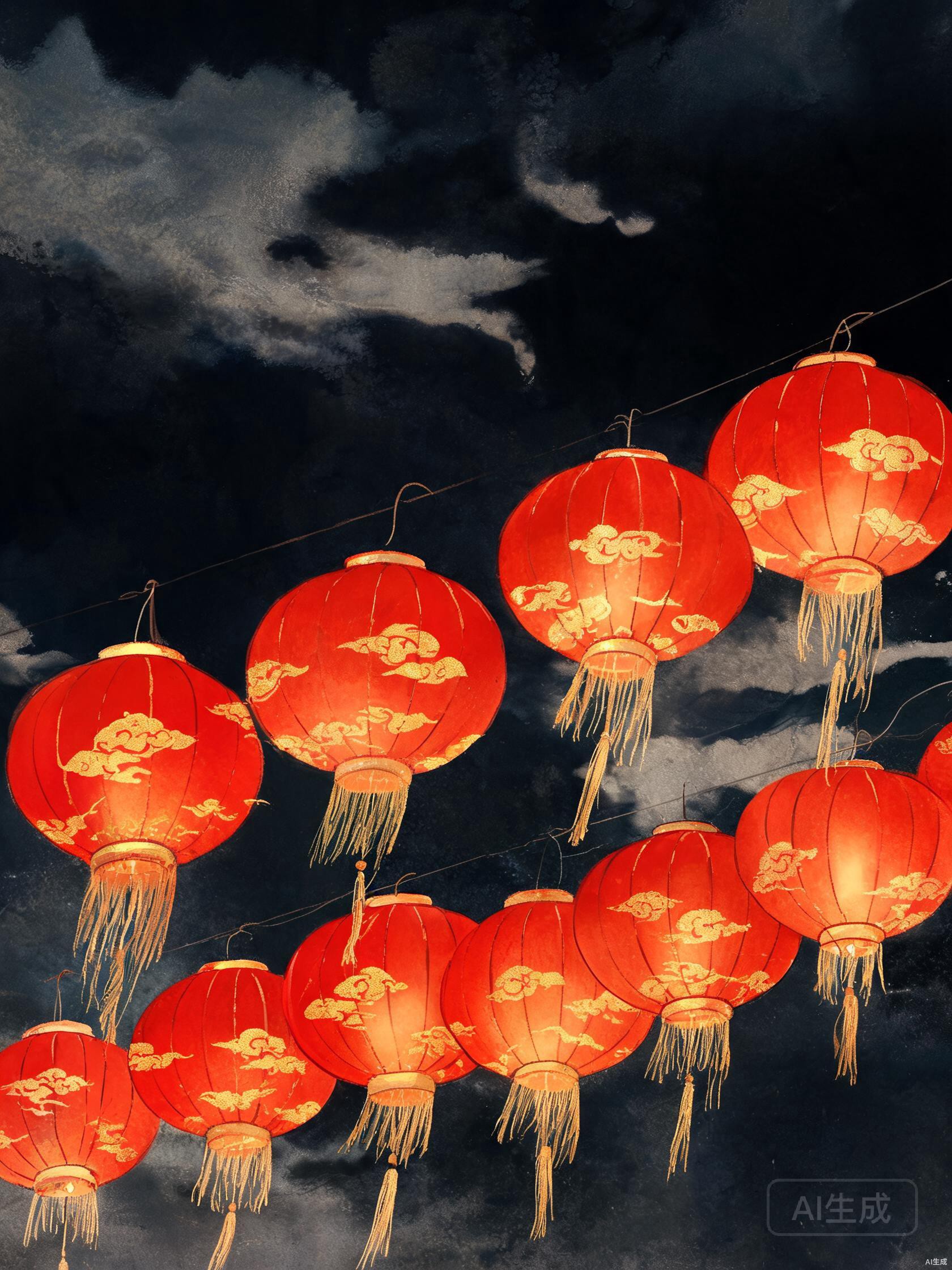
Lantern Symbolism
The red lantern that lights the way home — a symbol of reunion, joy, and the triumph of light over darkness.

Chinese Dragon Symbolism
What the dragon means in Chinese culture — power, fortune, and the divine.