
Stilt Walking (Caigaoqiao)
踩高跷
The folk dance on tall wooden legs — a procession of giants at festivals.
Origin Story
Origins of the Dance
Caigaoqiao’s origins are debated. Some scholars link the dance to ancient hunting practices — using stilts to peer over brush, or to throw spears at birds. Others see it as a folk dance derivative of court entertainments. By the Tang dynasty it was firmly established as a festival dance; the Tang capital Chang’an (Xi’an) describes elaborate stilt performances at lantern festivals.
Whatever its origin, the dance is firmly tied to festivals. The stilts elevate the performers above the crowd, making them visible from afar; the audience can also see the dance as a moving procession down the temple’s wide avenues.
Caigaoqiao (‘stepping on tall stilts’) is the folk dance in which performers walk on wooden legs elevated two to ten feet off the ground. The art is performed at New Year temple fairs and at Dragon Boat and lantern festivals, often alongside lion and dragon dances.
Powers & Symbols
Attributes & Artefacts
Click each card to reveal the details behind Stilt Walking (Caigaoqiao)'s divine attributes.
Magical Artifacts & Weapons
Stilt Walking (Caigaoqiao)'s Divine Arsenal
The legendary weapons and treasures wielded by Stilt Walking (Caigaoqiao) — each with its own origin story, powers, and mythological significance.
Historical & Cultural Meaning
Beyond the Myth
Subjects and Stories
Stilt performances typically enact opera stories or folk legends. The most popular subjects include the Monkey King (Sun Wukong), the Goddess of Mercy (Guanyin), the Eight Immortals, the God of Wealth, and various opera generals. The performers don full opera costume and makeup; the dance includes both pantomime and stylized combat.
In northern Chinese villages, families often have a generational tradition of stilt performers. The eldest son learns from the father; the youngest son sometimes inherits the troupe. Troupes tour the festivals of neighboring counties, bringing opera stories to life in the open air.
The Mechanics
Caigaoqiao stilts are wooden — usually a single straight pole strapped to each leg, with a small foot-rest partway up. Skilled performers can walk, run, leap, and even invert themselves. The dance is physically demanding; a single performance can last several hours, and falls are common.
Safety equipment has improved: modern stilts sometimes include padded straps, and troupes practice before performances. But the skill is fundamentally physical, and only well-trained performers take to the stilts. Children’s stilt-walking is a separate tradition — lower stilts, slower paces, gentler stories.
Caigaoqiao in Modern China
Caigaoqiao remains a popular festival tradition in northern China, especially Hebei, Shandong, and Liaoning. New Year temple fairs in cities like Beijing and Tianjin feature professional troupes; rural temple fairs still rely on village performers. The Ministry of Culture lists caigaoqiao on its national intangible heritage roster.
The dance has also migrated indoors and to international stages. Chinese acrobatic troupes include stilt-walking in their overseas performances. The spectacle — four-foot-tall performers dancing to opera music — translates well across cultures. The art has roots in rural China and branches in modern show business.
Mythology Network
Connections & Relationships
Stilt Walking (Caigaoqiao) is woven into a larger web of gods, creatures, and legends. Explore the connections below.
Stilt Walking (Caigaoqiao)
踩高跷
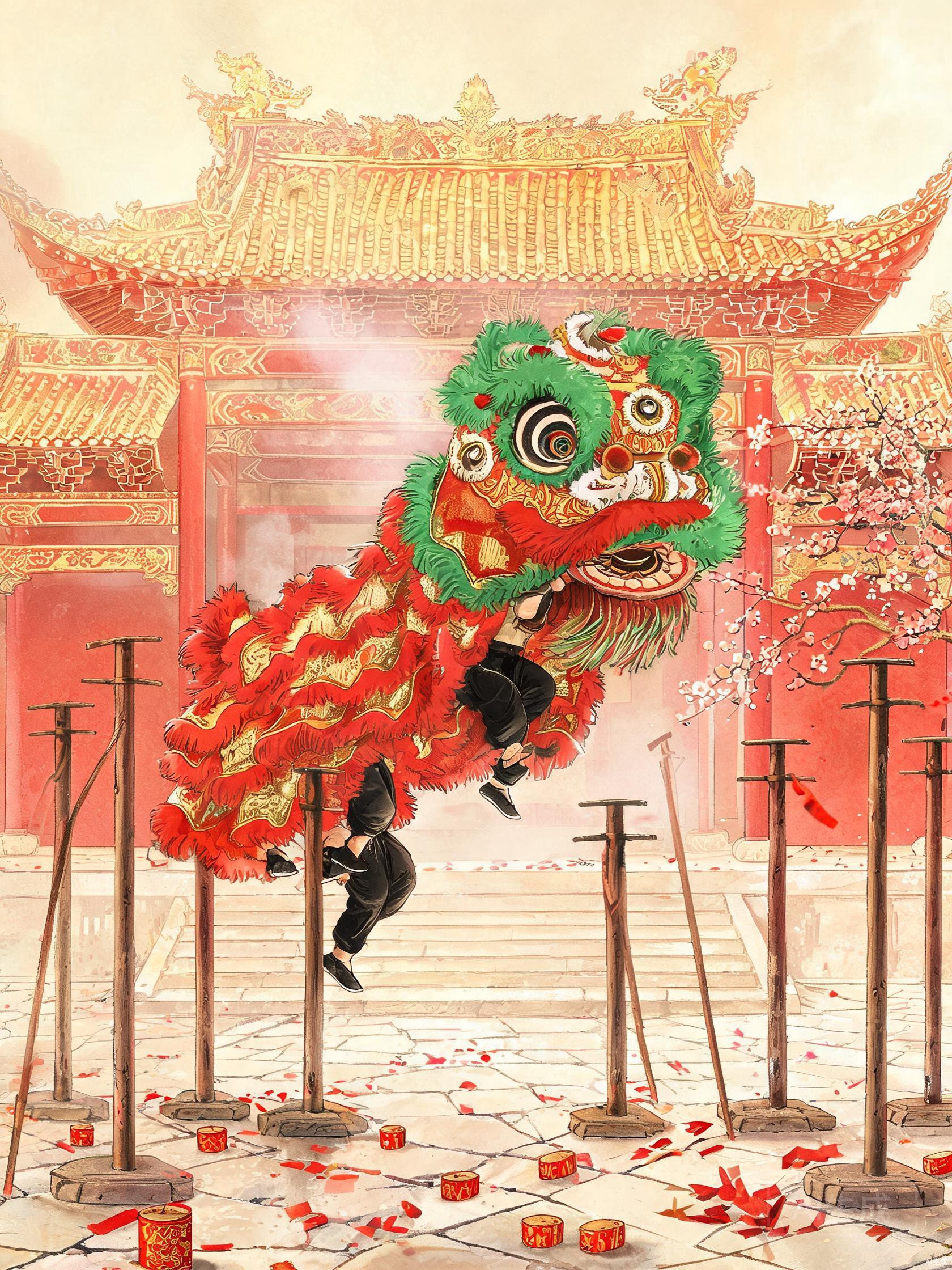
Lion Dance
The thunderous dance that drives away evil and brings prosperity.
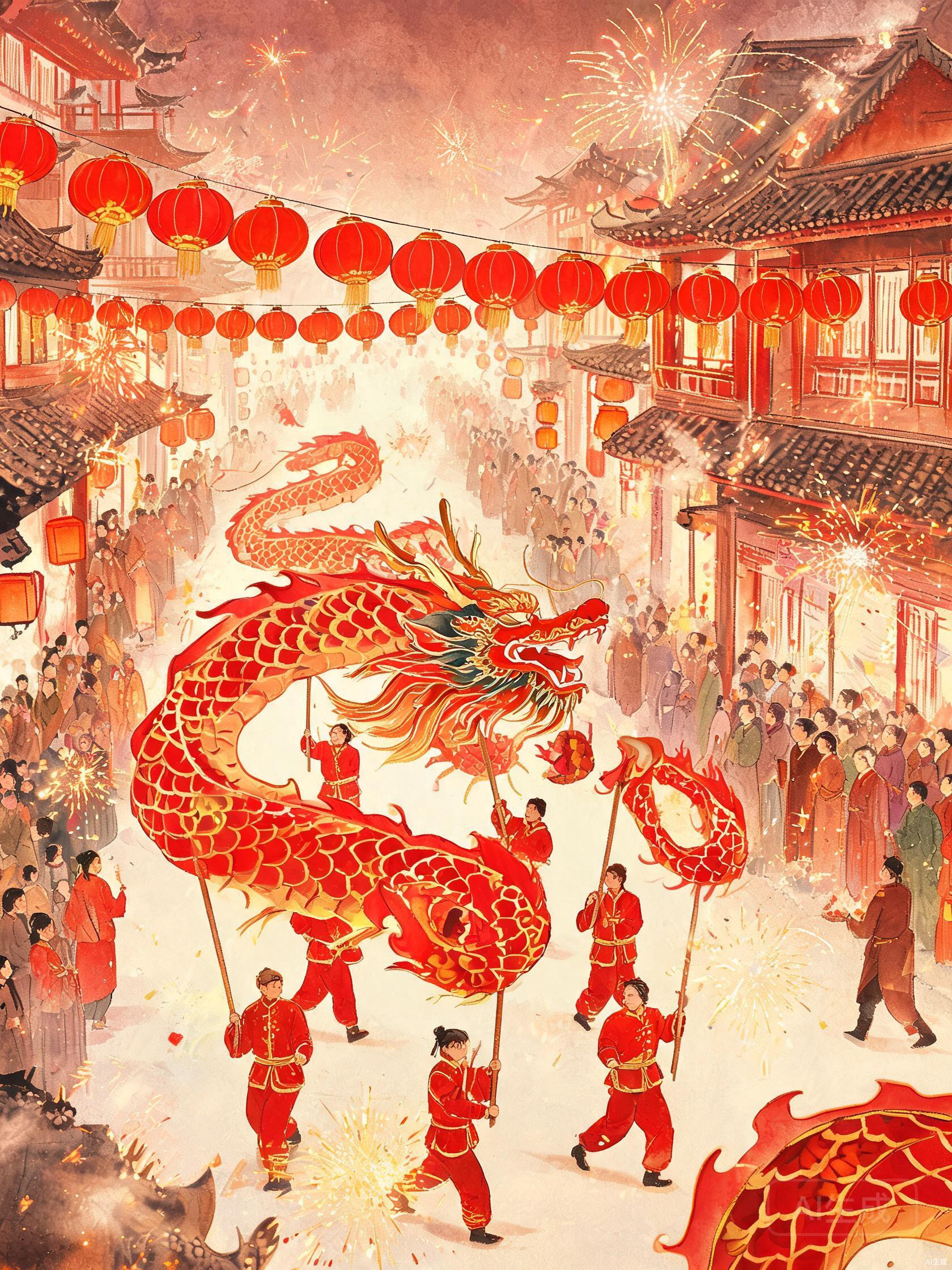
Dragon Dance
The magnificent dance of the celestial dragon that brings rain and prosperity.
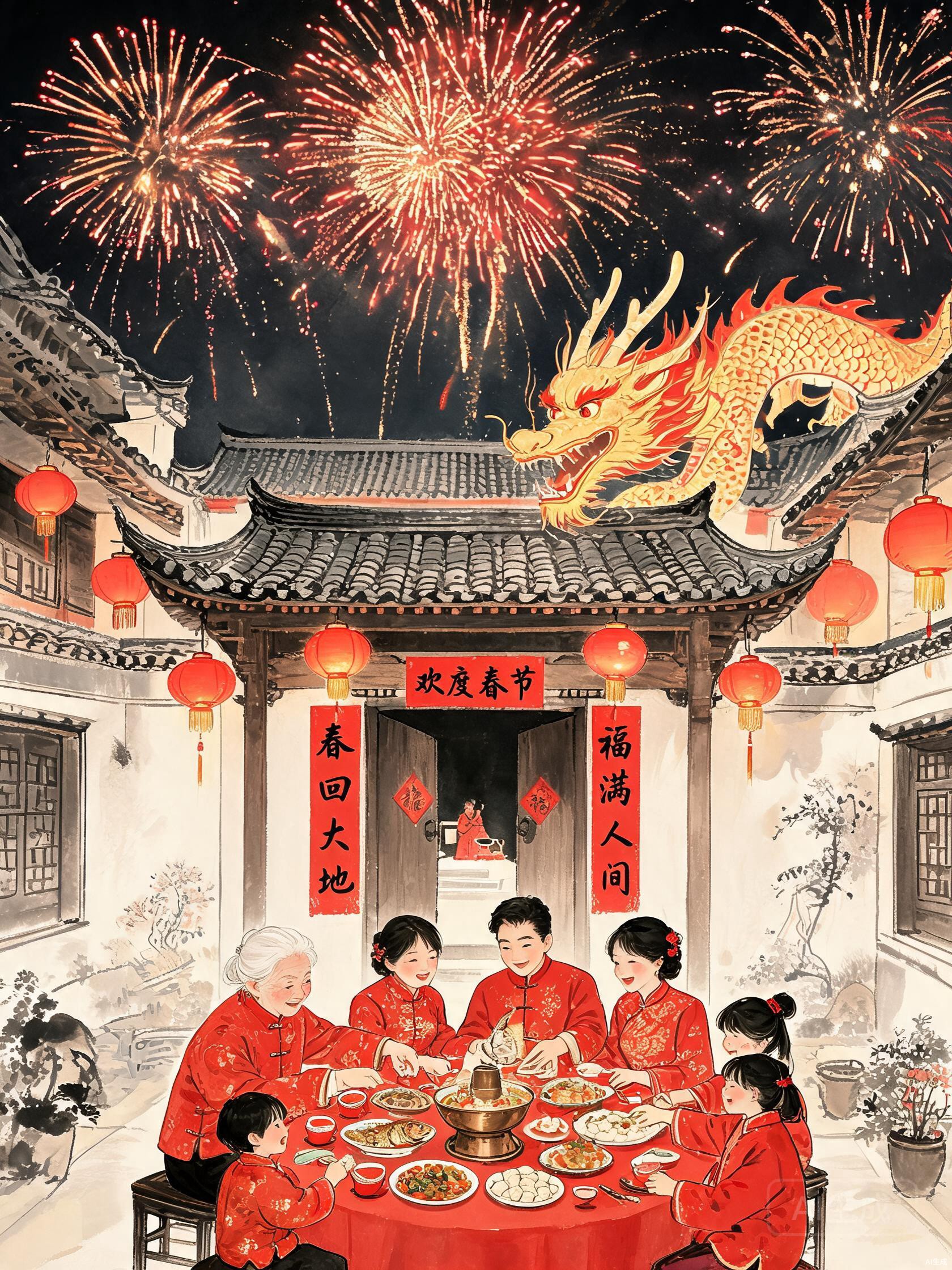
Spring Festival (Lunar New Year)
The most important festival in Chinese culture, celebrating the turning of the lunar year.
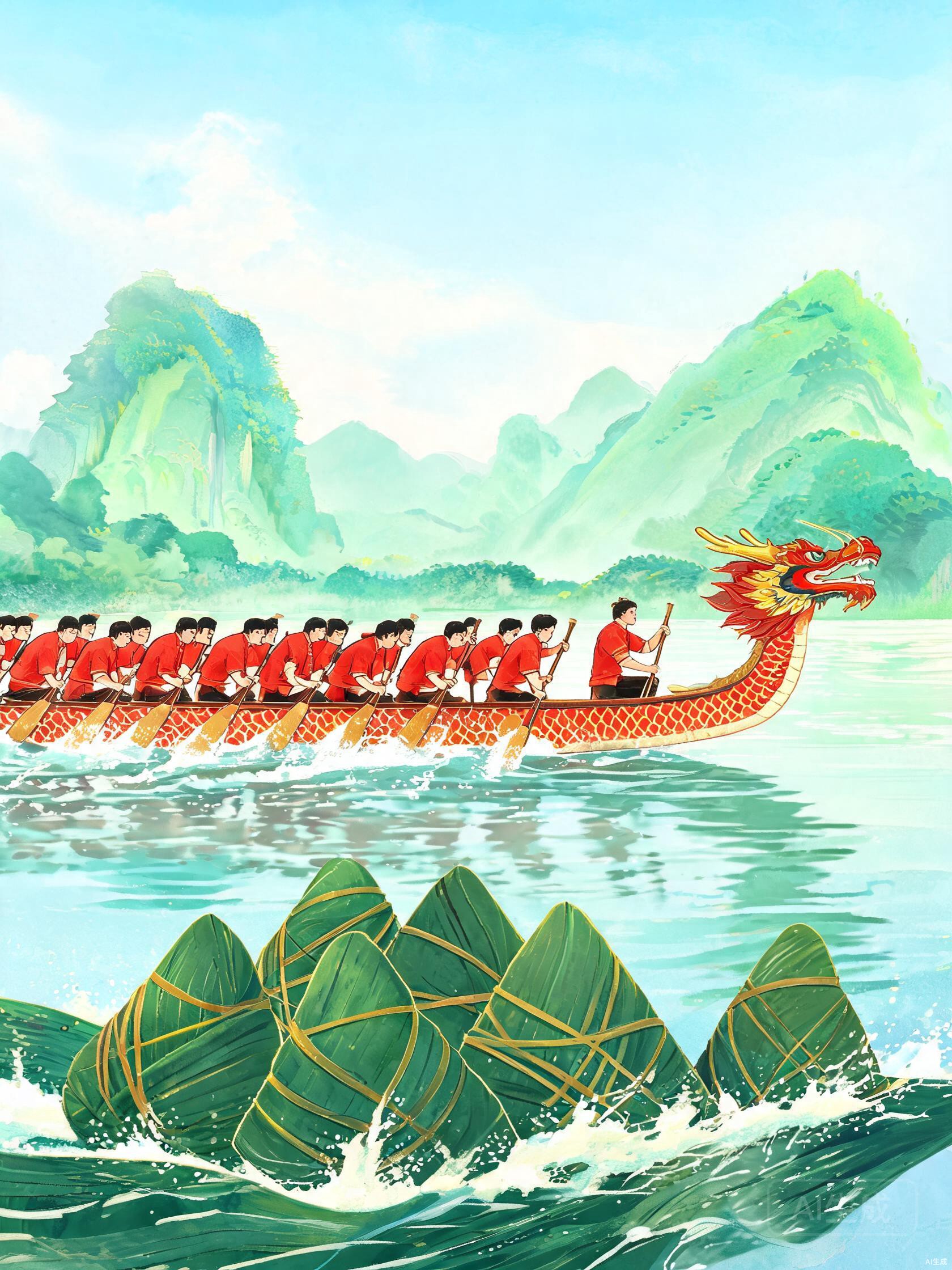
Dragon Boat Festival
A festival of dragon boats, zongzi, and the memory of the poet Qu Yuan.