
City God (Chenghuang)
城隍
The territorial god of a walled city — its mayor, judge, and protector.
Origin Story
City Walls and Afterlife Bureaucracy
The Chenghuang is both a guardian of the city walls and an official in the afterlife bureaucracy. The two roles are tightly connected: the walls guarded the living, and after death, the citizens came under the Chenghuang’s jurisdiction. The City God thus officiates at funerals, manages ghosts, and processes the local dead.
In popular lore, the Chenghuang reports to Yanluo Wang (the King of Hell) at the end of each year. The two gods hold a coordinated review of the region’s ghosts and deeds. Local magistrates would sometimes visit the Chenghuang temple to swear oaths of office, embodying the dual authority of mundane and divine.
The City God (Chenghuang) is the deity of a city’s walls and moats, charged with protecting the city, judging its inhabitants, and managing its afterlife bureaucracy. The City God is one of the most popular local gods in Chinese folk religion; every prefecture and even many districts had (and some still have) a City God temple.
Powers & Symbols
Attributes & Artefacts
Click each card to reveal the details behind City God (Chenghuang)'s divine attributes.
Magical Artifacts & Weapons
City God (Chenghuang)'s Divine Arsenal
The legendary weapons and treasures wielded by City God (Chenghuang) — each with its own origin story, powers, and mythological significance.
Historical & Cultural Meaning
Beyond the Myth
The City God’s Roster
Each City God is associated with a particular deceased worthy — often a historical figure of great accomplishment in the city. Shanghai’s City God, for example, is traditionally identified with Huo Guang, the Han-dynasty regent. Beijing’s City God is sometimes identified with Yang Yuchuan, a Song general. Other cities have their own worthies.
The roster also includes other local gods: the Chenghuang’s wife, his lieutenants (analogous to magistrates), and the demons and ghosts of the local underworld. The bureaucracy is small but complete — a city government in miniature, running for the benefit of ghosts.
Festivals of the City God
Three festivals marked the Chenghuang’s year: a spring festival (around Qingming), a summer festival (around Dragon Boat), and an autumn festival (around Double Ninth). Each involved processions, theatrical performances, and offerings. The Chenghuang’s image was carried through the streets; the route and rituals varied by city.
Temple festivals could last three to five days, with theatrical troupes performing stories of loyalty, righteousness, and the consequences of cruelty. The Chenghuang’s judgment was the dramatic climax: condemned souls revealed, names made public, the order of heaven restored in miniature.
City Gods in the Modern Era
Many old City God temples were destroyed or converted in the 20th century. Some survived as cultural heritage sites; a few are still active sites of worship, especially in Taiwan and Fujian. Mainland Chinese cities often retain the Chenghuang temple as a museum, an opera house, or a local cultural landmark.
Worship continues in modified forms. The idea of a local patron saint has migrated into the modern ‘guardian of the city’ trope: a figure honored at festivals, invoked at difficult moments, and studied at school. The Chenghuang is the older form of the same archetype.
Mythology Network
Connections & Relationships
City God (Chenghuang) is woven into a larger web of gods, creatures, and legends. Explore the connections below.
City God (Chenghuang)
城隍
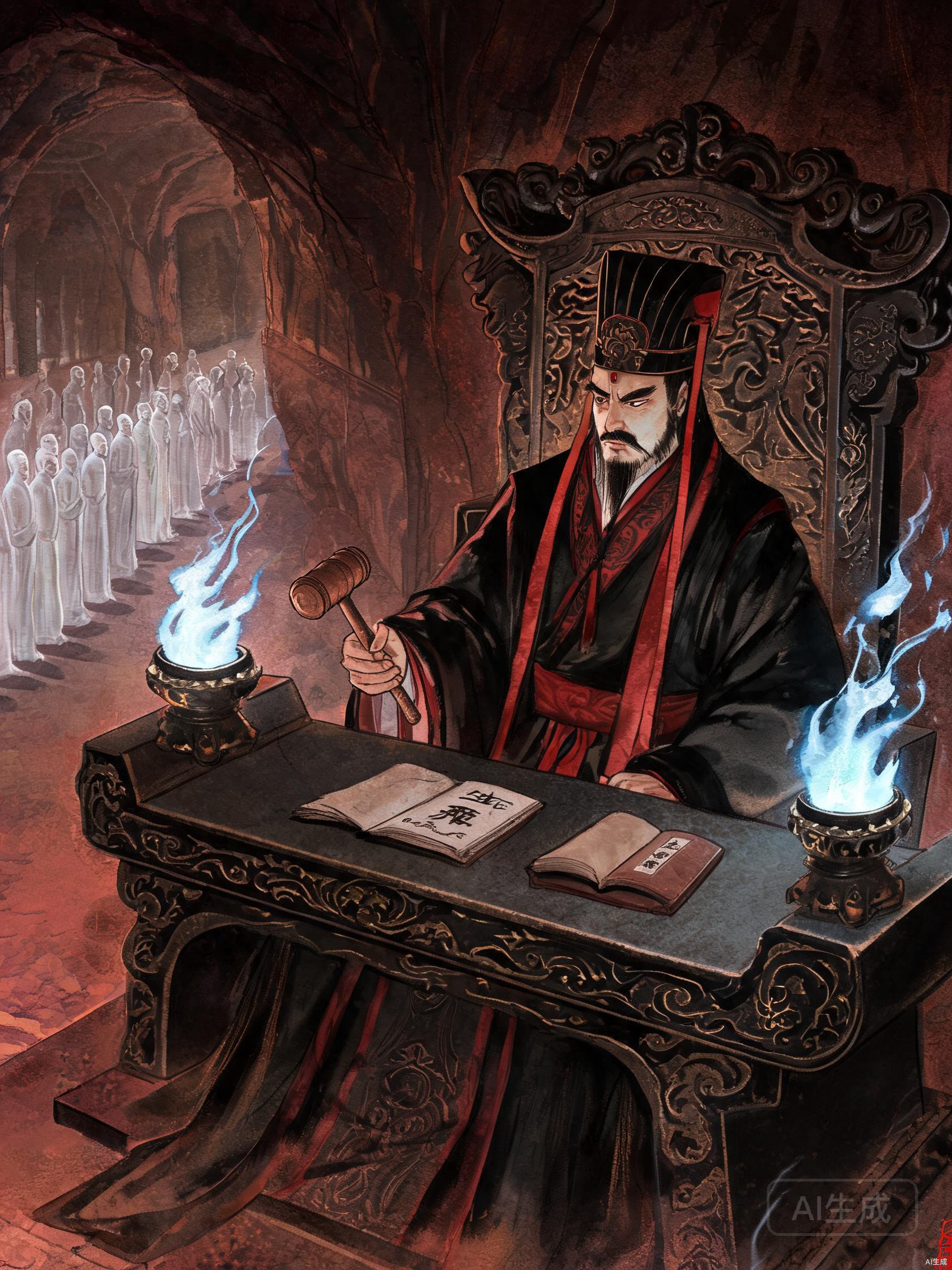
King Yan (Yanluo Wang)
The judge of the dead who presides over the Chinese underworld.
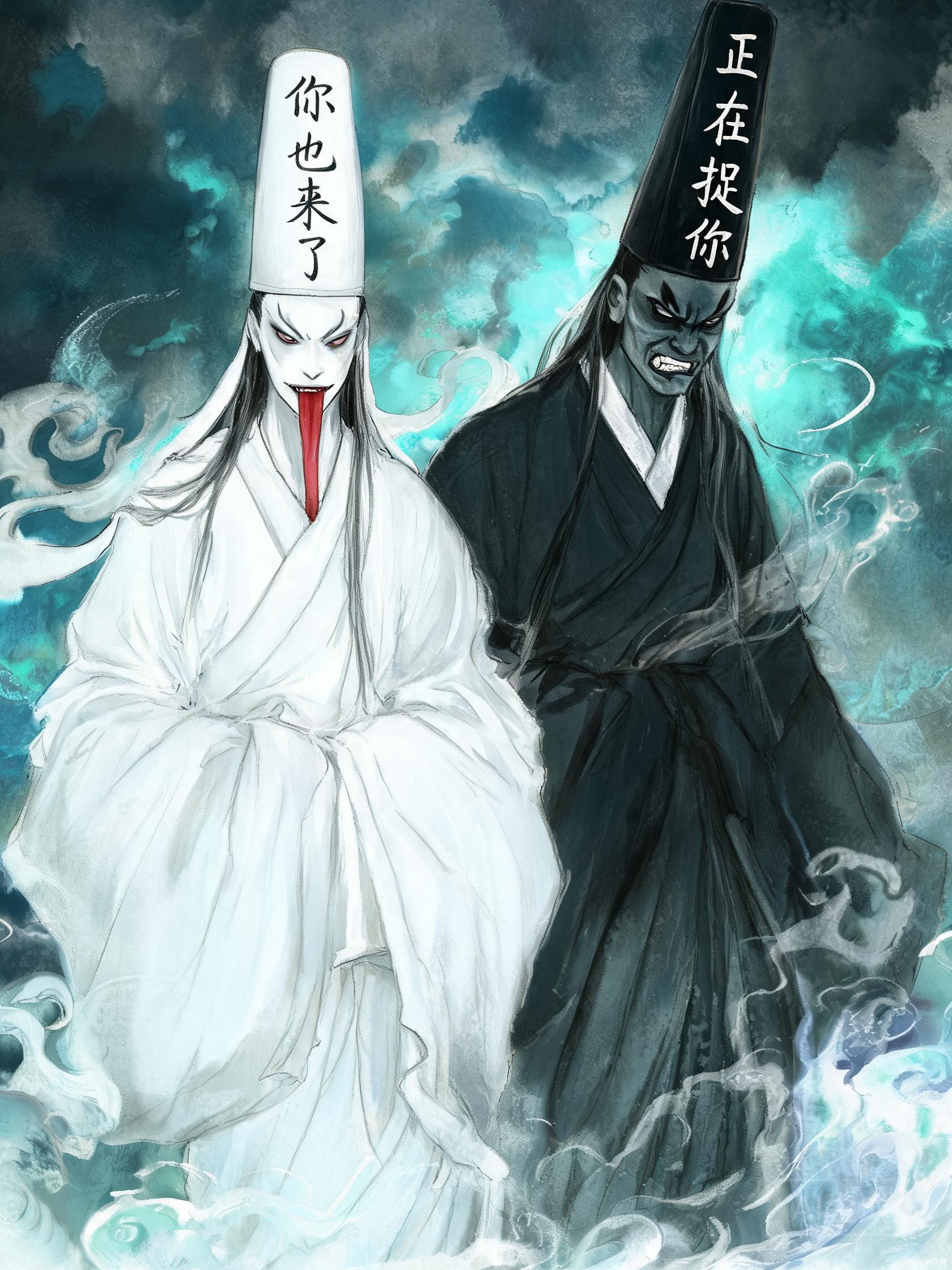
Black and White Impermanence
The two underworld officers who escort the souls of the dead to the afterlife.
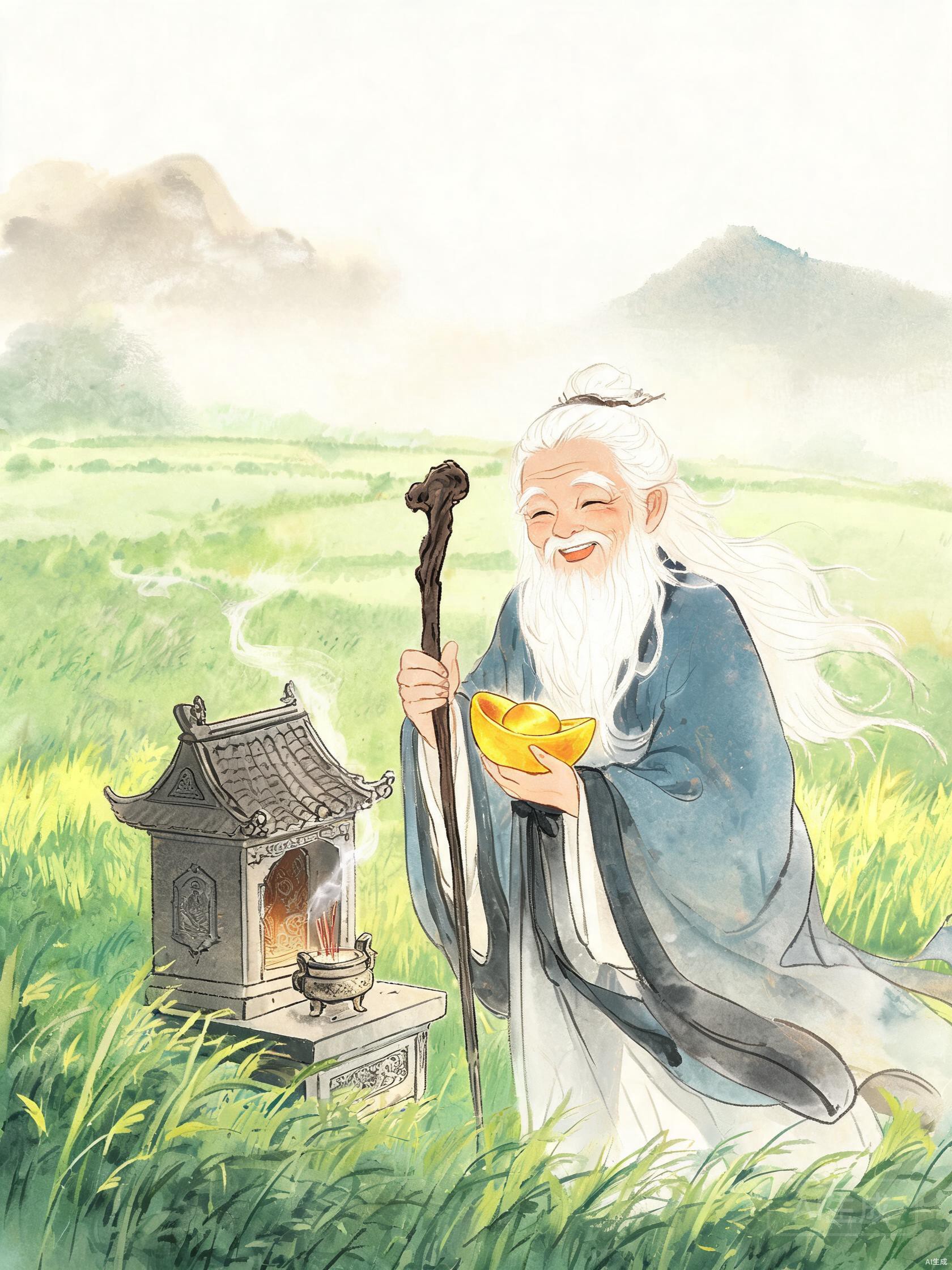
Earth God
The most approachable god in the Chinese pantheon — the earth deity of every village and field.
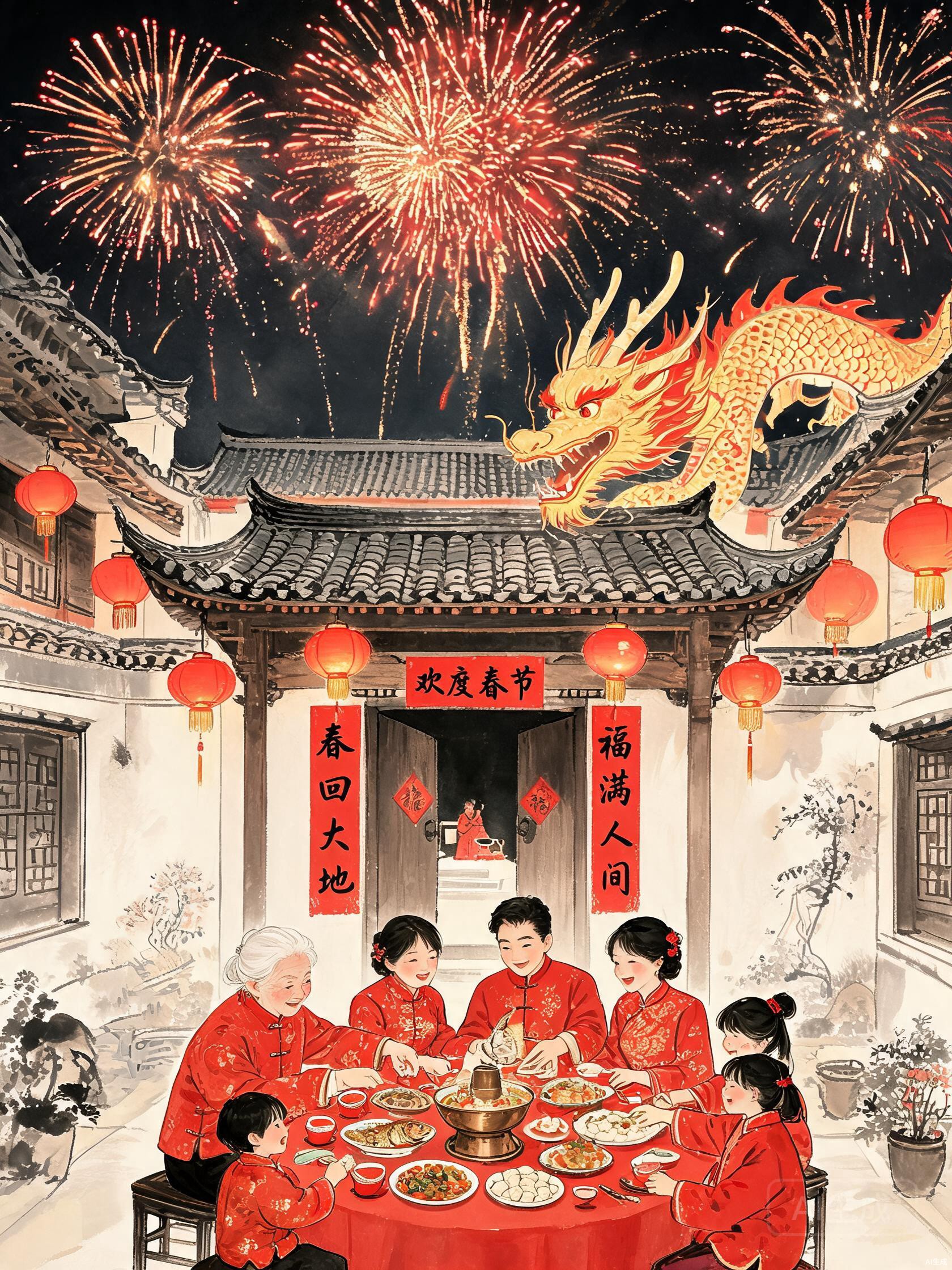
Spring Festival (Lunar New Year)
The most important festival in Chinese culture, celebrating the turning of the lunar year.