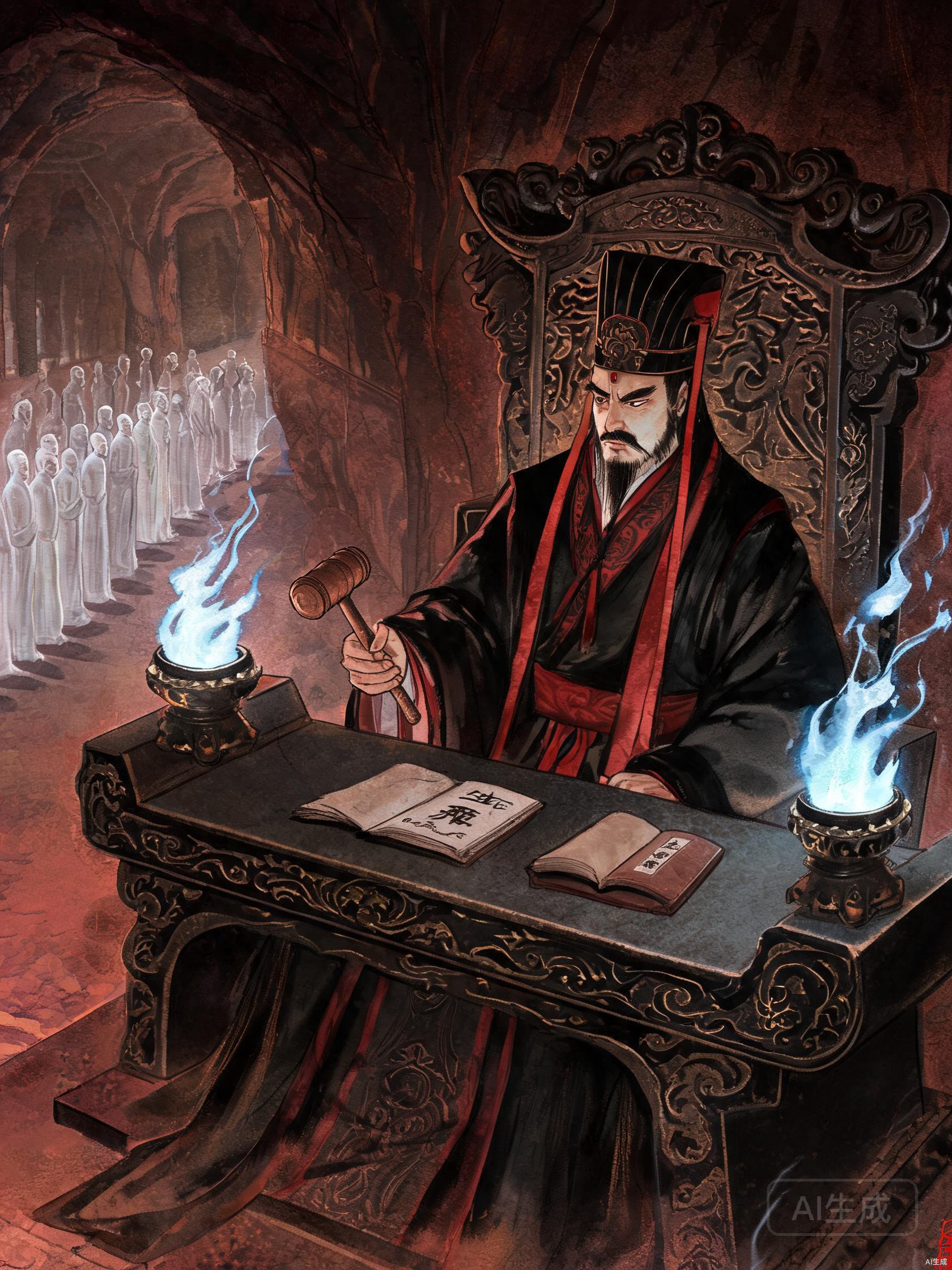
King Yan (Yanluo Wang)
阎罗王
The judge of the dead who presides over the Chinese underworld.
Origin Story
The Judge of All Souls
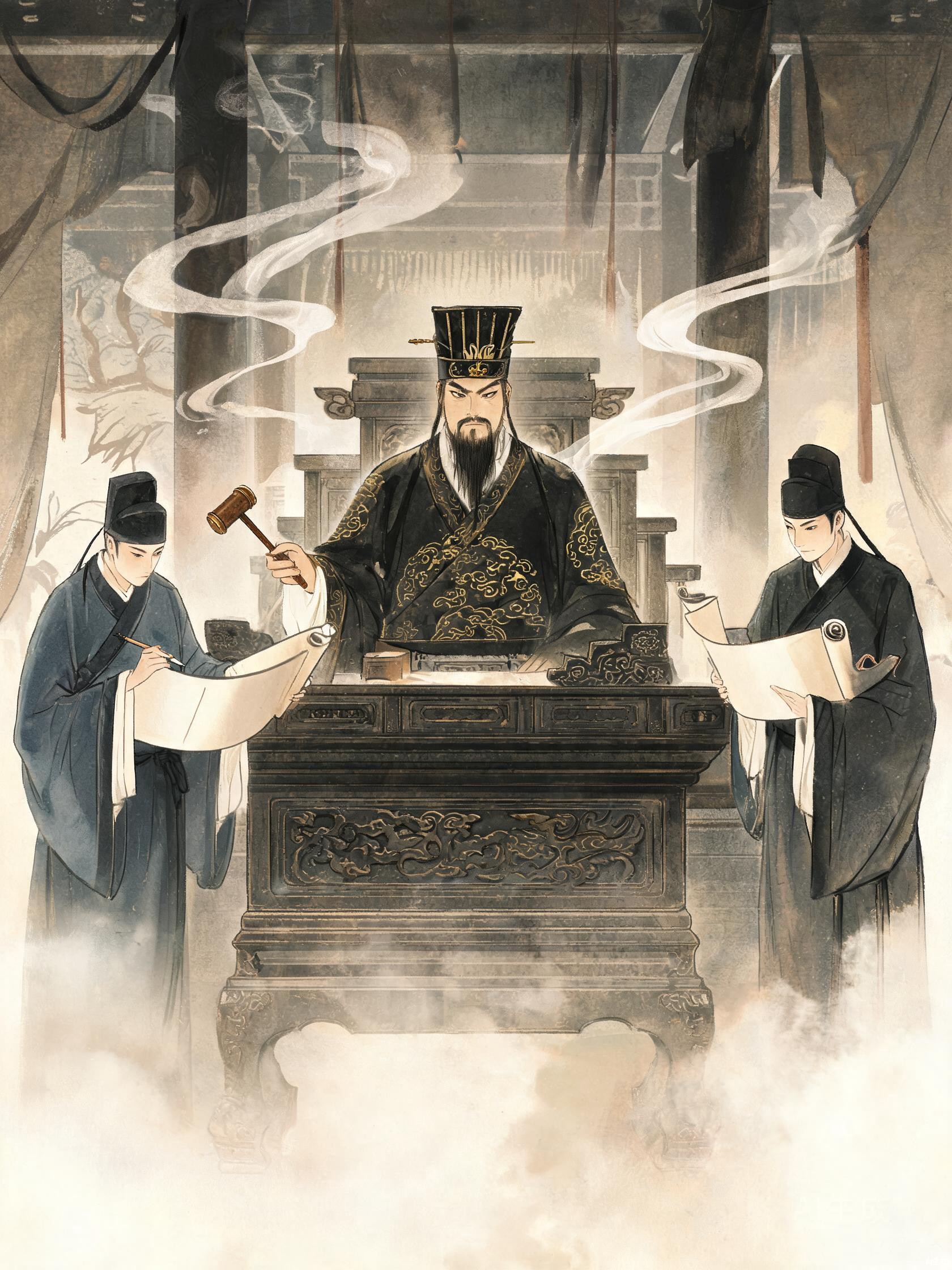
When a soul arrives in the underworld, it must pass through a series of courts — traditionally ten — each presided over by a different king. Yanluo Wang presides over the fifth court (in some versions the tenth), and he is the most famous and feared of all the underworld judges. His court is where the final accounting of a soul's life takes place.
Before Yanluo Wang, the soul's deeds are reviewed using the Ledgers of Life and Death. Every good deed, every sin, every kindness and cruelty is recorded by celestial scribes who miss nothing. In some versions, Yanluo Wang possesses a mirror (Ye Jing) in which the soul's past lives are reflected — making denial impossible.
Based on this judgment, Yanluo Wang determines the soul's fate: punishment in one of the underworld's many hells, immediate rebirth into a favorable life, or in rare cases, elevation to the status of a deity. His judgment is final and cannot be appealed — though folk tales occasionally feature clever souls who outwit him.
King Yan — the ruler of the Chinese underworld
King Yan (Yanluo Wang) is the sovereign of the Chinese underworld (Diyu) and the supreme judge of the dead. Based on the Hindu deity Yama, he was incorporated into Chinese folk religion through Buddhism and became the central figure in the Chinese conception of the afterlife, weighing each soul's deeds and determining their next reincarnation.
Powers & Symbols
Attributes & Artefacts
Click each card to reveal the details behind King Yan (Yanluo Wang)'s divine attributes.
Historical & Cultural Meaning
Beyond the Myth
From Hindu Yama to Chinese Yanluo
Yanluo Wang is the Chinese adaptation of Yama, the Hindu god of death. Yama was the first mortal to die in Hindu tradition and thus became the guide and judge of all who followed. When Buddhism spread to China, Yama was incorporated into the Buddhist cosmology of the underworld and eventually merged with Chinese folk beliefs about the afterlife.
In the process of sinicization, Yanluo Wang was given a Chinese bureaucratic framework. [Rat](/zodiac/zodiac-rat)her than a single all-powerful judge, the Chinese underworld was organized into a system of ten kings (Shi Dian Yan Jun), each presiding over a different court. Yanluo Wang became the most prominent of these, his name becoming synonymous with death itself in popular usage.
In some traditions, Yanluo Wang was not a permanent position but a rotating office. One folk belief held that the virtuous Song Dynasty official [Bao Zheng](/gods/bao-zheng) (999-1062 CE), renowned for his incorruptible justice, was appointed King of Hell after his death. This fusion of historical figure and underworld deity reflects the Chinese tendency to humanize the supernatural.
The Bureaucracy of the Underworld
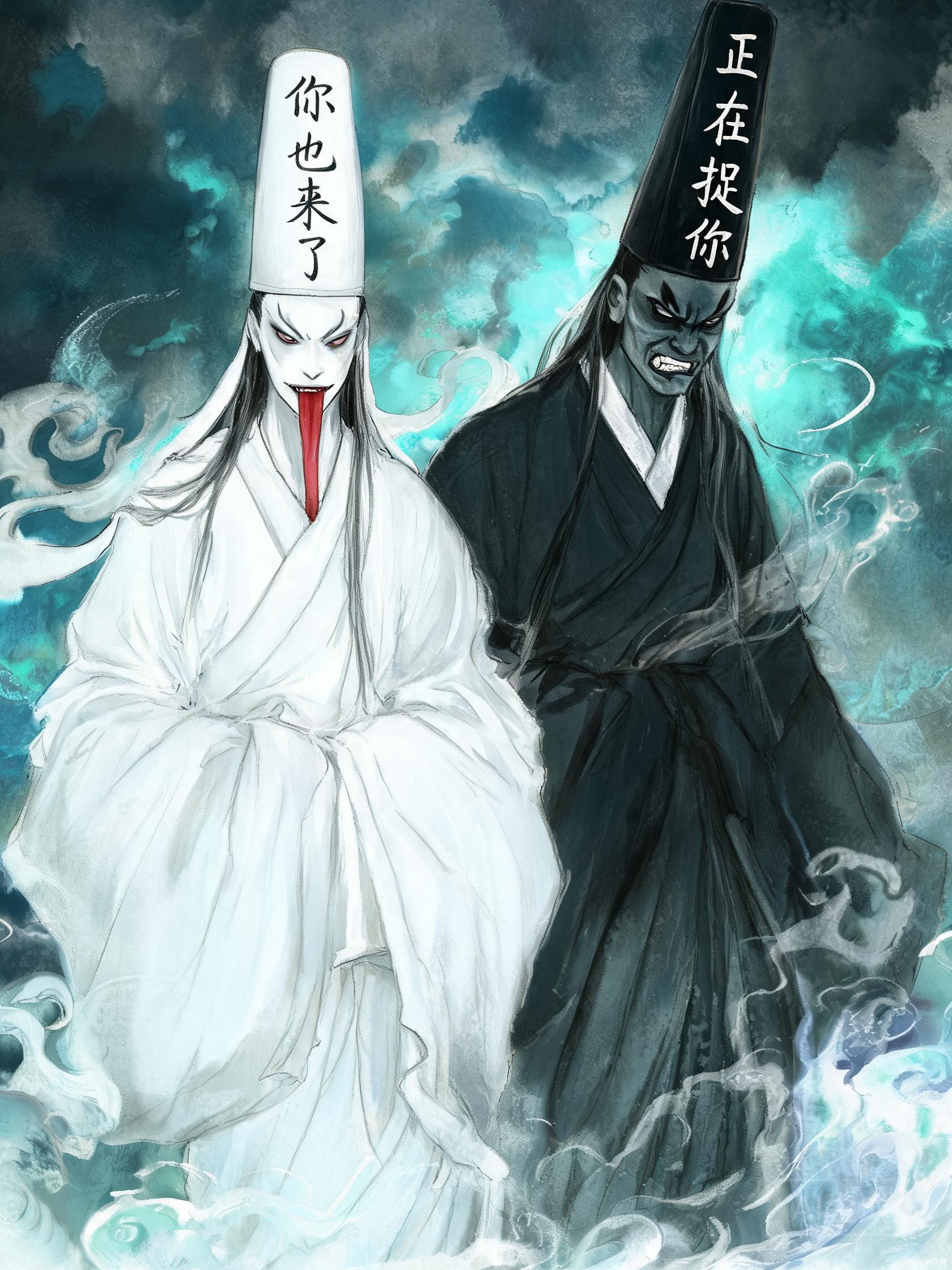
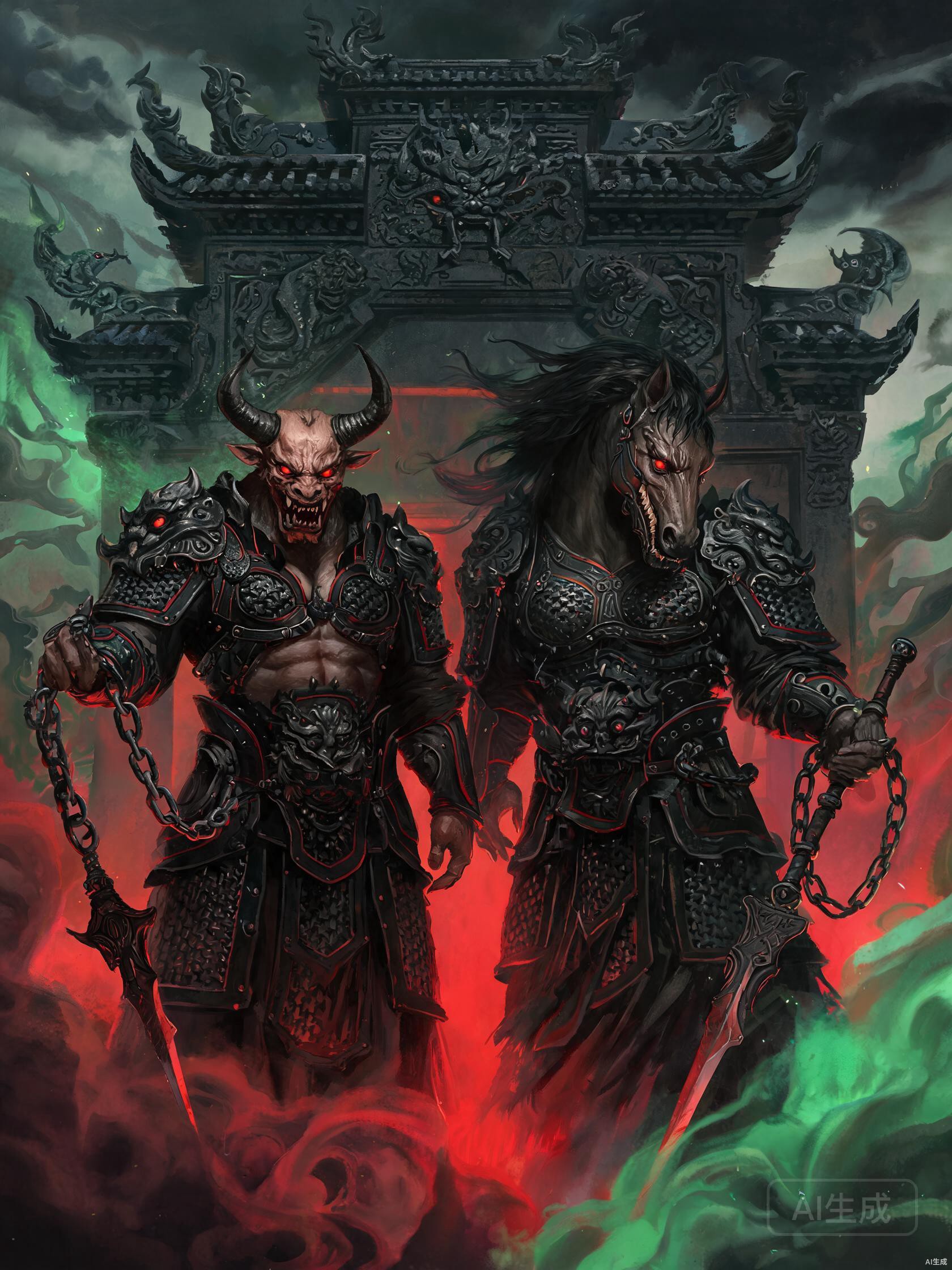
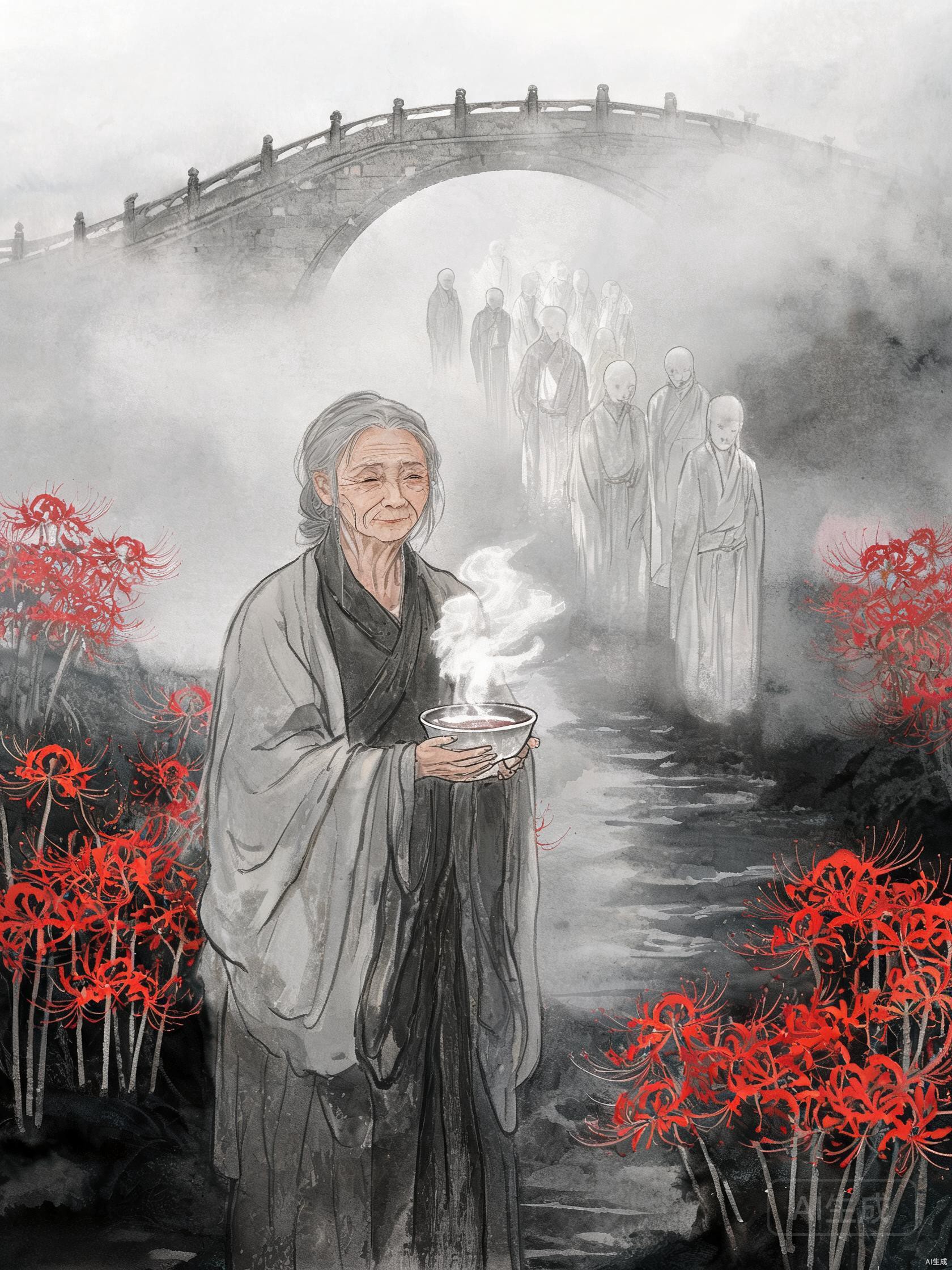
Under Yanluo Wang's authority, the Chinese underworld operates as a mirror of the imperial government. There are ministers, scribes, guards, and jailers. The Black and White Impermanence and [Ox-Head](/folklore/ox-head-horse-face) and [Horse](/zodiac/zodiac-horse)-Face are his officers. Lady Meng serves at his domain's edge. The entire system is bureaucratic, procedural, and hierarchical — a celestial government that processes souls with the same efficiency as the imperial court processed taxes.
This bureaucratic structure served an important social function: it reinforced the idea that justice, both in life and in death, is systematic and fair. Even the most powerful official would one day stand before Yanluo Wang and be judged not by his rank but by his deeds. The underworld court was the ultimate check on earthly power.
In folk culture, [Yanluo Wang](/folklore/yanluo-wang) is both feared and respected. The saying 'Even Yanluo Wang can't collect a debt from a poor man' acknowledges his impartiality, while 'Yanluo Wang tells you to die at the third watch; he won't let you live to the fifth' expresses the absolute certainty of death. He is the embodiment of the truth that no one — rich or poor, powerful or humble — escapes the final judgment.
Sources & References
Primary classical texts: Shanhaijing (山海经, Classic of Mountains and Seas, c. 4th-2nd century BCE) · Fengshen Yanyi (封神演义, Investiture of the Gods, c. 16th century) · Journey to the West (西游记, Xiyouji, c. 16th century) · Records of the Grand Historian (史记, Shiji, by Sima Qian, c. 91 BCE) · Classic of Mountains and Seas commentary (郭璞注 Shanhaijing, c. 4th century) · Bamboo Annals (竹书纪年, c. 4th century BCE onwards)
Classical translations: Legge, James (trans.). The Sacred Books of the East (1879-1910, 50 volumes covering Chinese classics) · Girardot, Norman J. Myth and Meaning in Early Taoism (University of California Press, 1983) · Werner, E.T.C. A Dictionary of Chinese Mythology (Shanghai: Kelly & Walsh, 1932)
Modern academic references: Birrell, Anne. Chinese Mythology: An Introduction (Baltimore: Johns Hopkins University Press, 1993) · Yang, Lihui, and Deming An. Handbook of Chinese Mythology (New York: Oxford University Press, 2005) · Strassberg, Richard E. A Chinese Bestiary: Strange Creatures from the Guideways Through Mountains and Seas (Berkeley: University of California Press, 2002)
Digital encyclopedias and online resources: Wikipedia — Chinese mythology portal (continuously updated, citations to primary sources) · Encyclopedia Britannica — Mythology and Religion section
Mythology Network
Connections & Relationships
King Yan (Yanluo Wang) is woven into a larger web of gods, creatures, and legends. Explore the connections below.
King Yan (Yanluo Wang)
阎罗王

📱 Wallpaper · $2.99
Take 阎罗王 with you
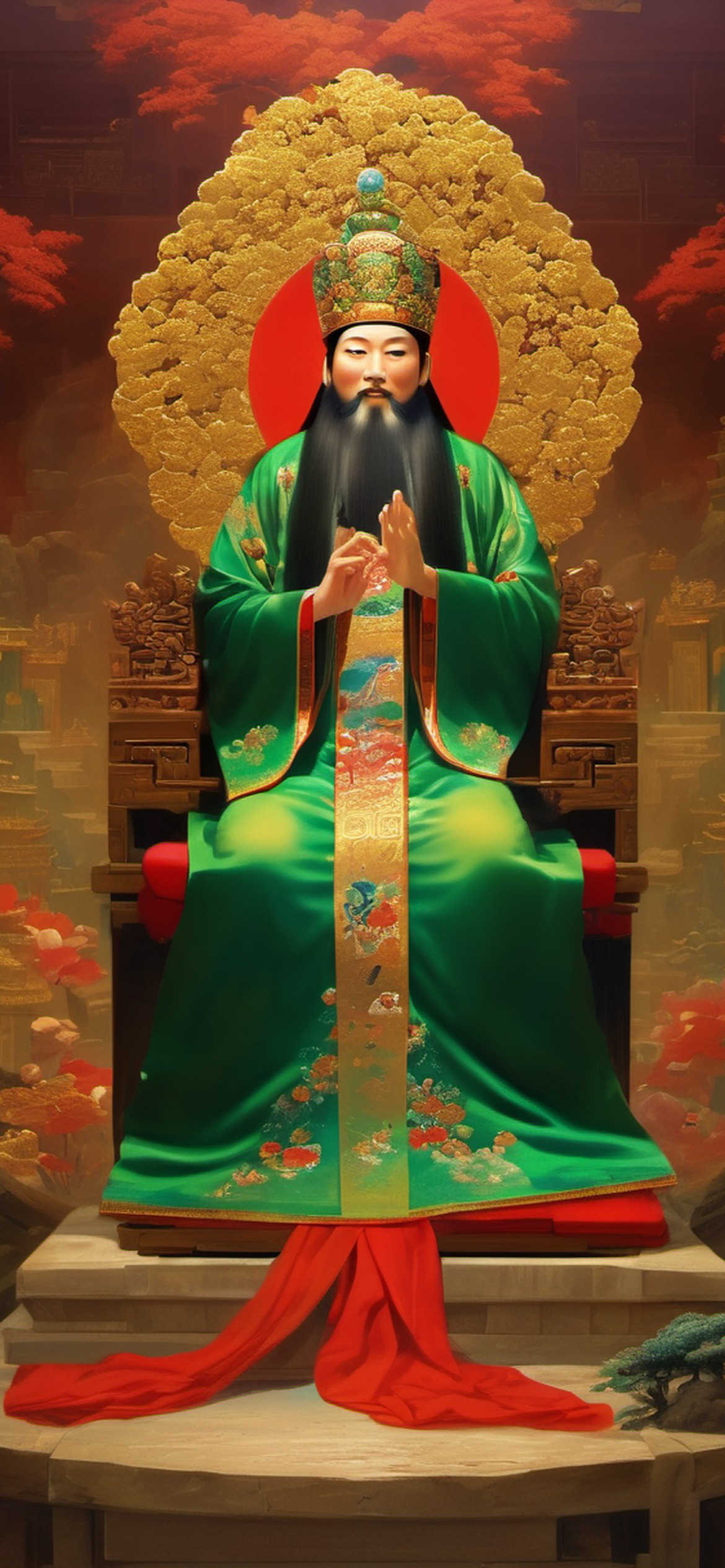
High-resolution phone wallpaper of King Yanluo of the Underworld (阎罗王) — iconography drawn from classical Chinese sources, painted in traditional style.
📜 Iconography sources
Yama enters China with the translated sutras (《佛说阎罗王五天使者经》 and related texts), presiding over the dead as king and judge. 《地藏菩萨本愿经》 (Kṣitigarbha Sutra) deepened the underworld cosmology, and the Ming 《玉历宝钞》 (Jade Register) fixed the familiar system of Ten Kings of the courts of the dead. King Yanluo sits in his misty hall, brush and Book of Life and Death before him, stern but fair.
Buy & download
Explore the Topic
King Yan (Yanluo Wang) in the Mythology Network
Go deeper — read the topic guides that gather every folk tradition like King Yan (Yanluo Wang).