Earth God
土地公
The most approachable god in the Chinese pantheon — the earth deity of every village and field.
Origin Story
Who Is Tudi Gong?
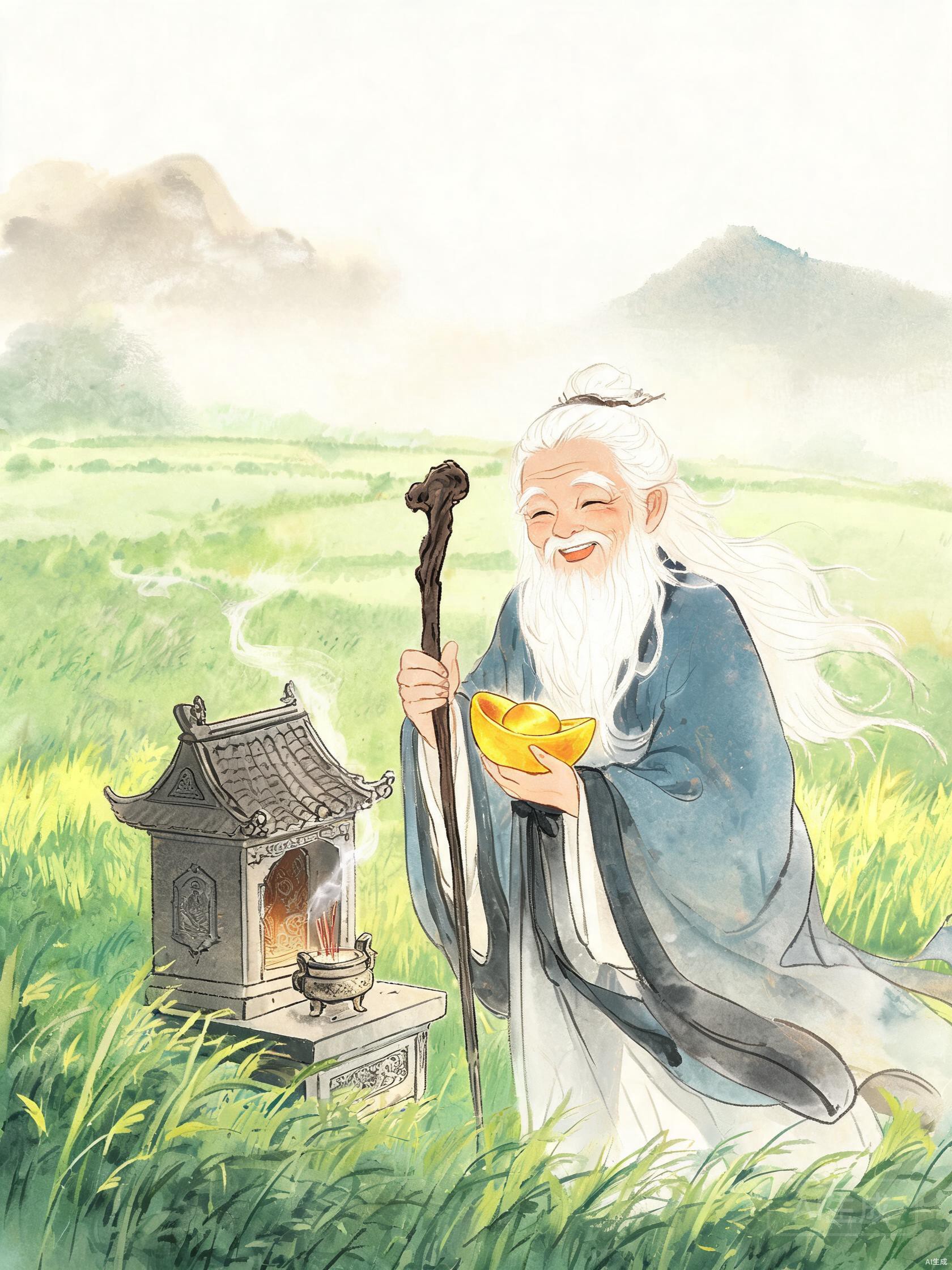
Tudi Gong, whose full title is Fu De Zheng Shen (Righteous God of Blessing and Virtue), is the earth god of Chinese folk religion. He is the deity of the local land — the soil, the field, the village, the neighborhood. His jurisdiction is small, often no more than a single village or even a single street, but within that domain, he is the divine authority.
Unlike the great celestial gods who reside in distant heavens, Tudi Gong is everywhere among the people. His shrines are simple structures — sometimes no more than a niche in a wall or a small altar under a tree — found in fields, at crossroads, beside wells, and in homes. He is the god you can talk to face-to-face, without ritual or intermediary.
He is depicted as a kindly old man with a white beard, a smiling face, and a walking stick — not unlike a beloved village elder. This image captures his essence: approachable, paternal, local. He is not a god of cosmic power but of everyday, grounded care.
Tudi Gong, the Earth God, is the most grassroots deity in Chinese folk religion. Shrines to him are found in villages, fields, roadsides, and homes. He is the friendly, accessible divine face of the land itself — the god closest to the people.
Powers & Symbols
Attributes & Artefacts
Click each card to reveal the details behind Earth God's divine attributes.
Historical & Cultural Meaning
Beyond the Myth
Tudi Gong in Mythology
Tudi Gong's origins lie in the most ancient stratum of Chinese religion — the worship of the earth itself. Before there were temples, there were altars to the soil. The emperor sacrificed to the Great Earth (Sheji) on behalf of the nation, while commoners honored the local earth spirit of their own fields and villages.
Over centuries, this spirit was personified as Tudi Gong. In some traditions, he was a virtuous official in life who was appointed as earth god after death; in others, he is an ancient, nameless spirit of the land itself. What matters is not his identity but his function: he is the divine face of the place where you live.
In folk tales, Tudi Gong is often the first deity a wandering hero, a lost traveler, or a poor farmer turns to. He may not have the power to grant great wishes — that is the domain of the [Jade Emperor](/gods/jade-emperor) or [Guanyin](/gods/guanyin) — but he can offer small miracles: a lost item found, a good harvest, a safe journey. He is the god of the local, the immediate, the possible.
In [Journey to the West](/myths/journey-to-the-west), Tudi Gong and his wife (Tudi Po) appear repeatedly as the local spirits whom [Sun Wukong](/gods/sun-wukong) summons for information. They know everything about their small territory, and though their power is limited, their knowledge of the local ground is unmatched.
Worship and Cultural Significance
Tudi Gong is, without exaggeration, the most widely worshipped deity in Chinese folk religion. His shrines are everywhere — there is no village in China without one. On the second day of the second lunar month, his birthday, communities hold celebrations, burn incense, and offer food to honor the god of their land.
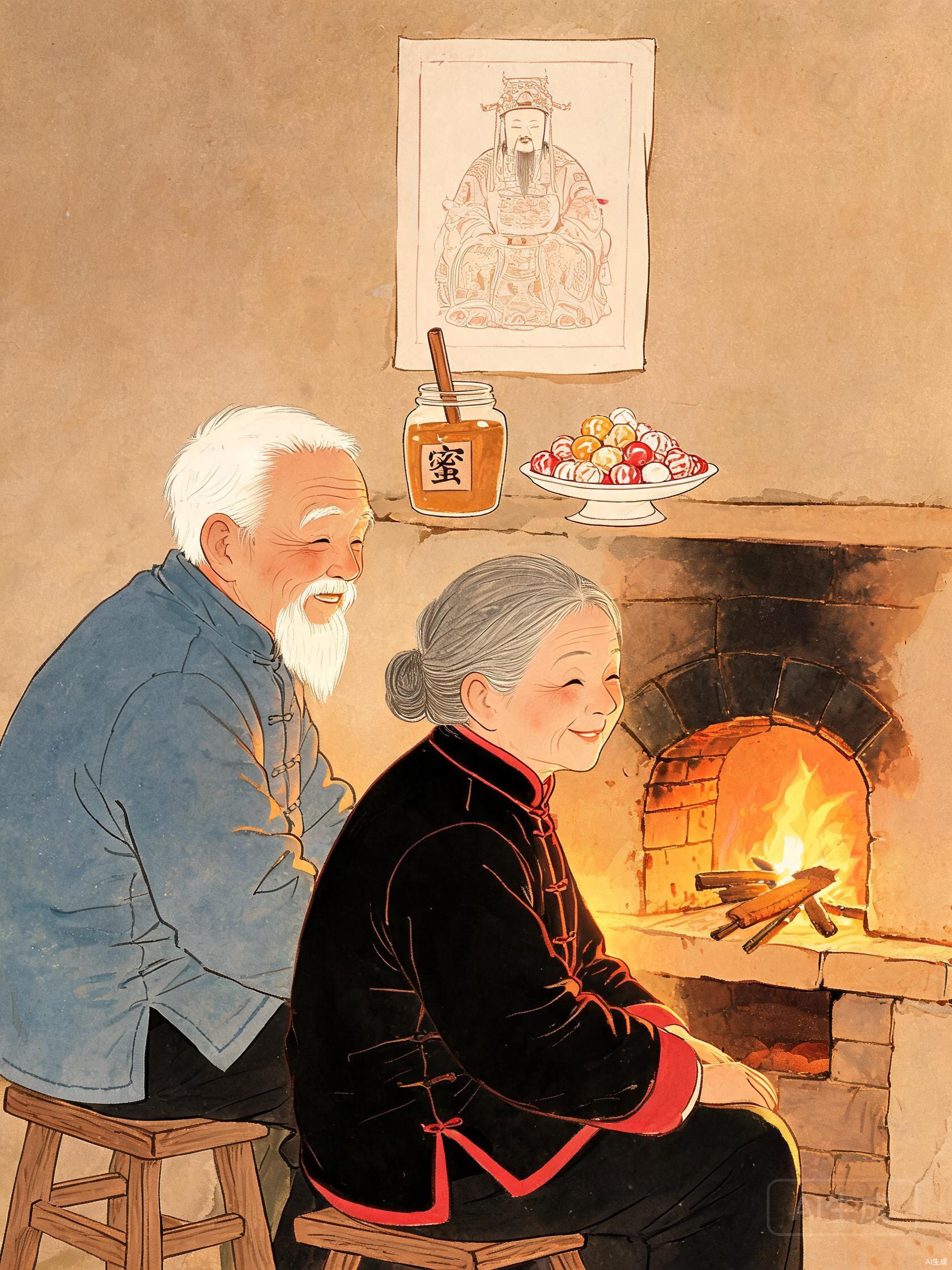
In addition to his role as earth god, Tudi Gong is also a minor wealth deity. His association with the soil connects him to agricultural abundance, and his gold ingots symbolize the prosperity that comes from the land. Shopkeepers often keep a small Tudi Gong shrine in their stores, seeking his blessing for honest, steady business.
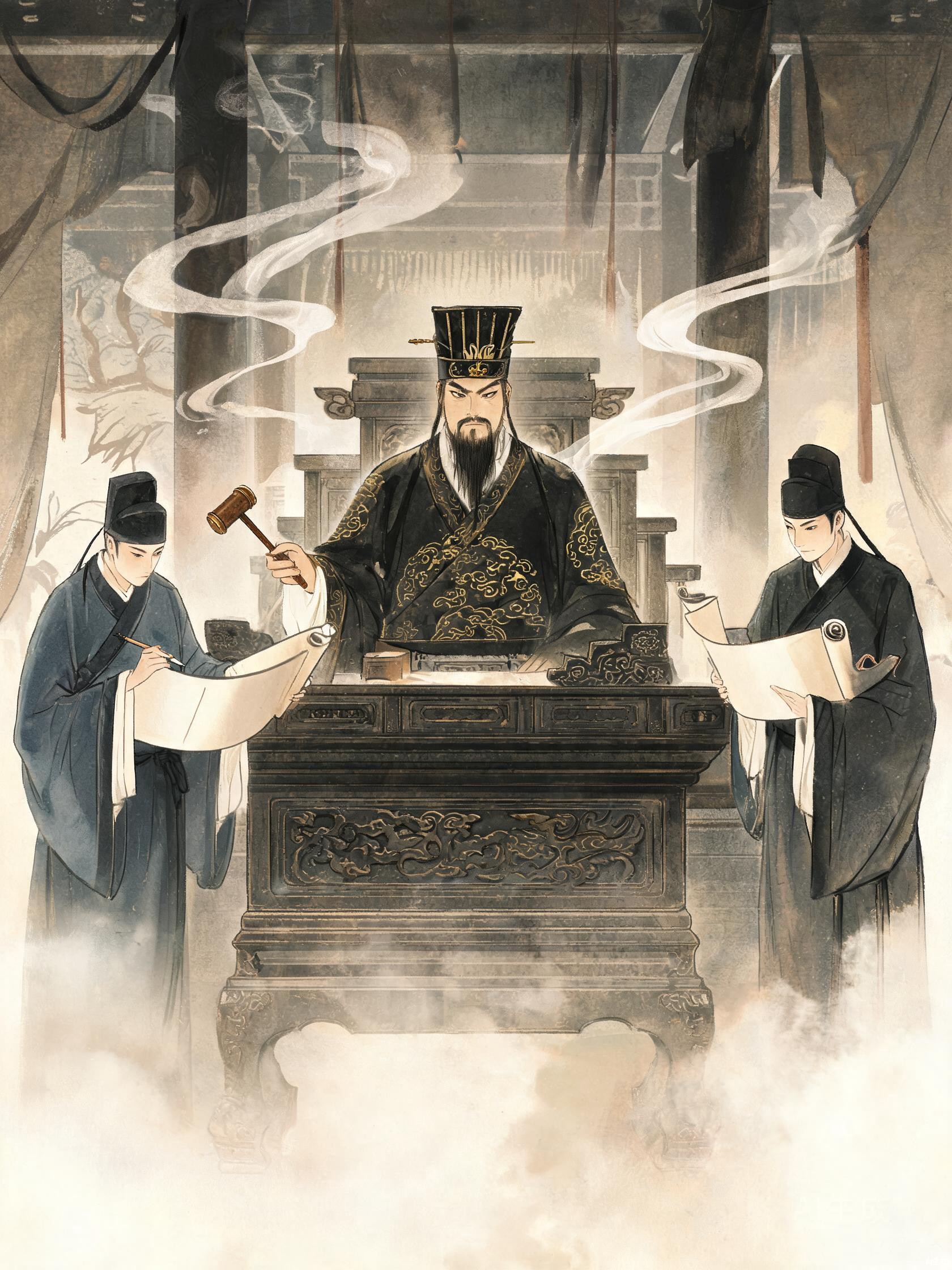
Tudi Gong also plays a role in funerals. When a person dies, their spirit is said to report to the local Tudi Gong before being sent on to the City God and the underworld courts. He is, in a sense, the first stop on the soul's journey through the divine bureaucracy — the most local face of the afterlife.
In a rapidly urbanizing China, many old Tudi Gong shrines have disappeared beneath new construction. Yet new ones appear in apartment foyers, on shop counters, and in the corners of modern neighborhoods. The need for a god of the local place — a divine neighbor — endures even as the landscape transforms.
Tudi Gong in Popular Culture
In Chinese cinema and television, [Tudi Gong](/folklore/tudi-gong-deity) frequently appears as a comic or heartwarming figure — the little god who pops up from the ground to offer advice or gossip. His diminutive power and vast local knowledge make him a favorite supporting character in mythological dramas and folk-tale adaptations.
Sources & References
Primary classical texts: Shanhaijing (山海经, Classic of Mountains and Seas, c. 4th-2nd century BCE) · Fengshen Yanyi (封神演义, Investiture of the Gods, c. 16th century) · Journey to the West (西游记, Xiyouji, c. 16th century) · Records of the Grand Historian (史记, Shiji, by Sima Qian, c. 91 BCE) · Classic of Mountains and Seas commentary (郭璞注 Shanhaijing, c. 4th century) · Bamboo Annals (竹书纪年, c. 4th century BCE onwards)
Classical translations: Legge, James (trans.). The Sacred Books of the East (1879-1910, 50 volumes covering Chinese classics) · Girardot, Norman J. Myth and Meaning in Early Taoism (University of California Press, 1983) · Werner, E.T.C. A Dictionary of Chinese Mythology (Shanghai: Kelly & Walsh, 1932)
Modern academic references: Birrell, Anne. Chinese Mythology: An Introduction (Baltimore: Johns Hopkins University Press, 1993) · Yang, Lihui, and Deming An. Handbook of Chinese Mythology (New York: Oxford University Press, 2005) · Strassberg, Richard E. A Chinese Bestiary: Strange Creatures from the Guideways Through Mountains and Seas (Berkeley: University of California Press, 2002)
Digital encyclopedias and online resources: Wikipedia — Chinese mythology portal (continuously updated, citations to primary sources) · Encyclopedia Britannica — Mythology and Religion section
Mythology Network
Connections & Relationships
Earth God is woven into a larger web of gods, creatures, and legends. Explore the connections below.
Earth God
土地公


Explore the Topic
Earth God in the Mythology Network
Go deeper — read the topic guides that gather every deity like Earth God.