
Jade Emperor
玉皇大帝
The supreme ruler of heaven and all gods in the Taoist pantheon.
Origin Story
Who Is the Jade Emperor?
The Jade Emperor is the supreme deity of Chinese folk religion. He presides over a vast celestial bureaucracy that mirrors the Chinese imperial government — with departments for weather, war, fate, wealth, and every aspect of human life.
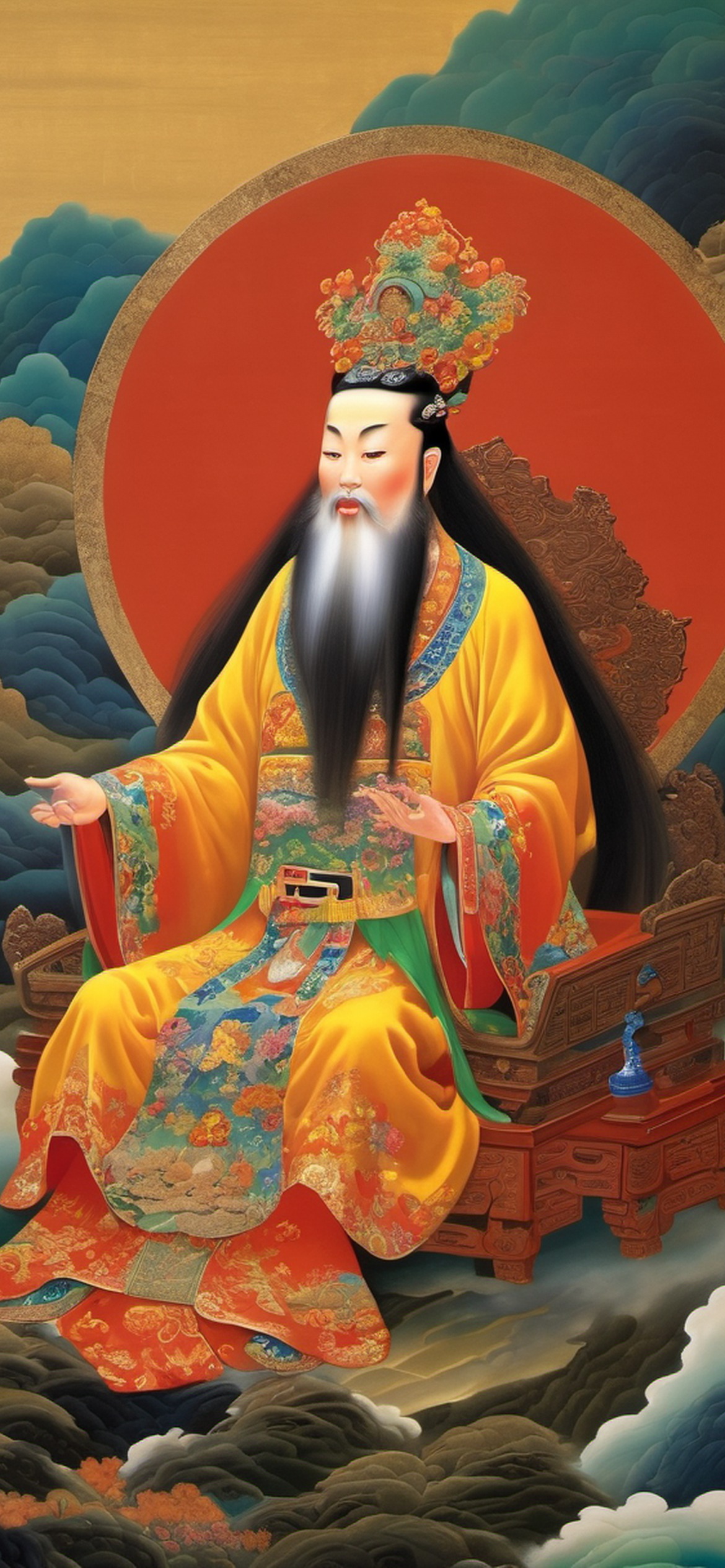
He is depicted as an aged, bearded sovereign in golden dragon robes, seated on a jade throne. His authority is unquestioned, though he often delegates tasks to lesser gods, much like an earthly emperor.
The Jade Emperor is the highest deity in Chinese folk religion and Taoism — the cosmic administrator who governs heaven, earth, and the underworld from his celestial palace.
Powers & Symbols
Attributes & Artefacts
Click each card to reveal the details behind Jade Emperor's divine attributes.
Historical & Cultural Meaning
Beyond the Myth
The Jade Emperor's Origin
According to Taoist tradition, the Jade Emperor was originally a prince of the kingdom of Guangyan Miaole. He renounced his throne to pursue the Tao, cultivating himself through 1,750 kalpas (cosmic cycles), each lasting 129,600 years. After this unfathomable period of cultivation, he achieved supreme enlightenment and became ruler of heaven.
This origin story emphasizes a core Chinese value: that authority is earned through moral cultivation, not inherited through force.
The Heavenly Bureaucracy
The Jade Emperor's court is structured like the Chinese imperial government. Gods hold official positions with specific responsibilities — the Dragon Kings manage water, [Yanluo Wang](/folklore/yanluo-wang) manages the underworld, the [Kitchen God](/folklore/kitchen-god) reports on household behavior, and the City Gods protect local communities.
This bureaucratic structure reflects the Chinese understanding of cosmic order. The universe is not chaotic or arbitrary; it is administered, organized, and subject to rules — just like a well-governed empire.
The Heavenly Court — a divine bureaucracy mirroring imperial China
The Jade Emperor in Chinese Culture
The Jade Emperor's birthday is celebrated on the ninth day of the first lunar month, a festival known as Tiangong Sheng. Families set up altars, burn incense, and offer food to honor him.
In popular culture, the [Jade Emperor](/gods/jade-emperor) often appears as a somewhat distant figure — powerful but bureaucratic. In [Journey to the West](/myths/journey-to-the-west), he struggles to control [Sun Wukong](/gods/sun-wukong), revealing the limits of even heavenly authority when faced with raw, uncontrollable power.
Sources & References
Primary classical texts: Shanhaijing (山海经, Classic of Mountains and Seas, c. 4th-2nd century BCE) · Fengshen Yanyi (封神演义, Investiture of the Gods, c. 16th century) · Journey to the West (西游记, Xiyouji, c. 16th century) · Records of the Grand Historian (史记, Shiji, by Sima Qian, c. 91 BCE) · Classic of Mountains and Seas commentary (郭璞注 Shanhaijing, c. 4th century) · Bamboo Annals (竹书纪年, c. 4th century BCE onwards)
Classical translations: Legge, James (trans.). The Sacred Books of the East (1879-1910, 50 volumes covering Chinese classics) · Girardot, Norman J. Myth and Meaning in Early Taoism (University of California Press, 1983) · Werner, E.T.C. A Dictionary of Chinese Mythology (Shanghai: Kelly & Walsh, 1932)
Modern academic references: Birrell, Anne. Chinese Mythology: An Introduction (Baltimore: Johns Hopkins University Press, 1993) · Yang, Lihui, and Deming An. Handbook of Chinese Mythology (New York: Oxford University Press, 2005) · Strassberg, Richard E. A Chinese Bestiary: Strange Creatures from the Guideways Through Mountains and Seas (Berkeley: University of California Press, 2002)
Digital encyclopedias and online resources: Wikipedia — Chinese mythology portal (continuously updated, citations to primary sources) · Encyclopedia Britannica — Mythology and Religion section
Mythology Network
Connections & Relationships
Jade Emperor is woven into a larger web of gods, creatures, and legends. Explore the connections below.
Jade Emperor
玉皇大帝

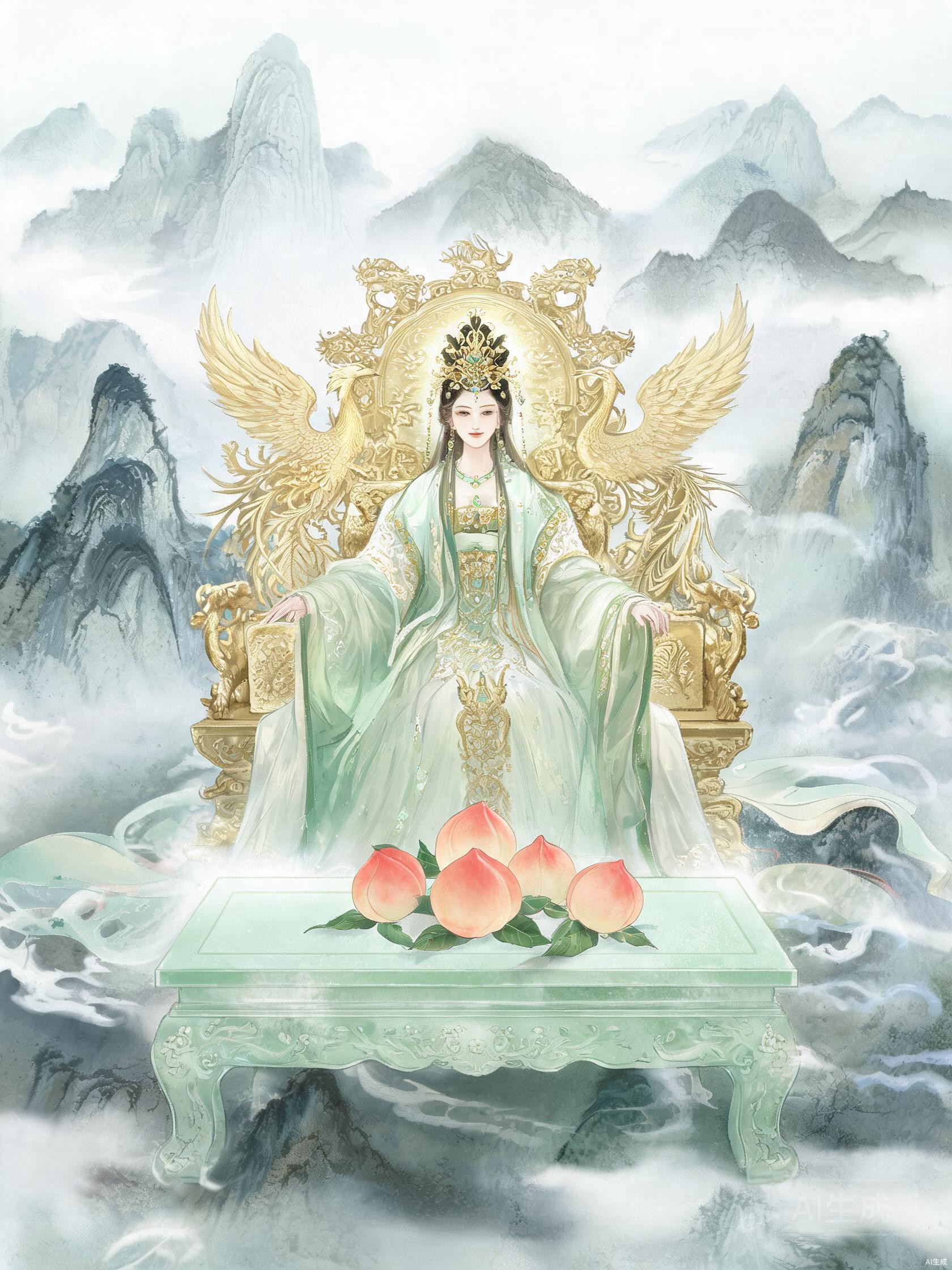
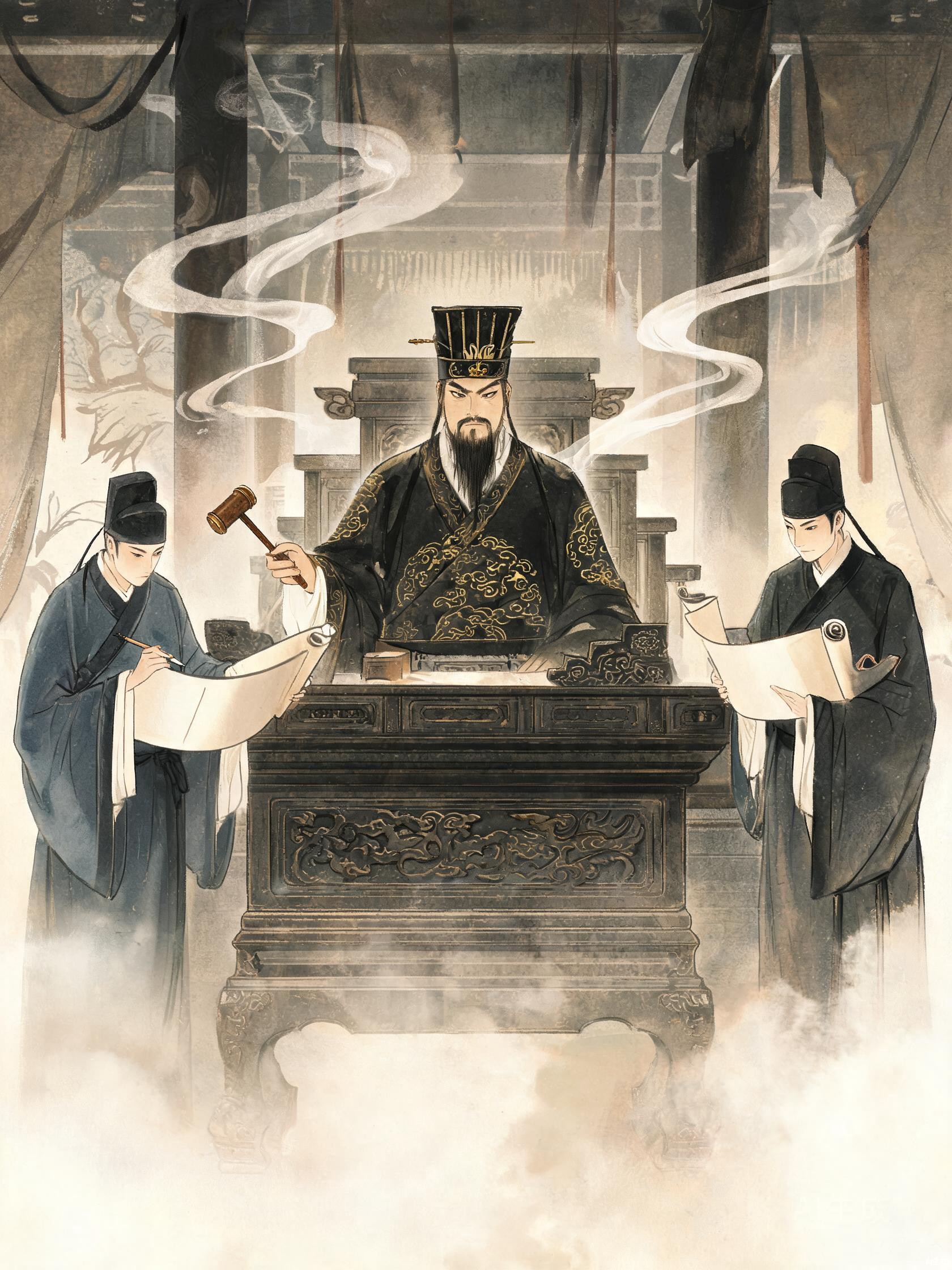

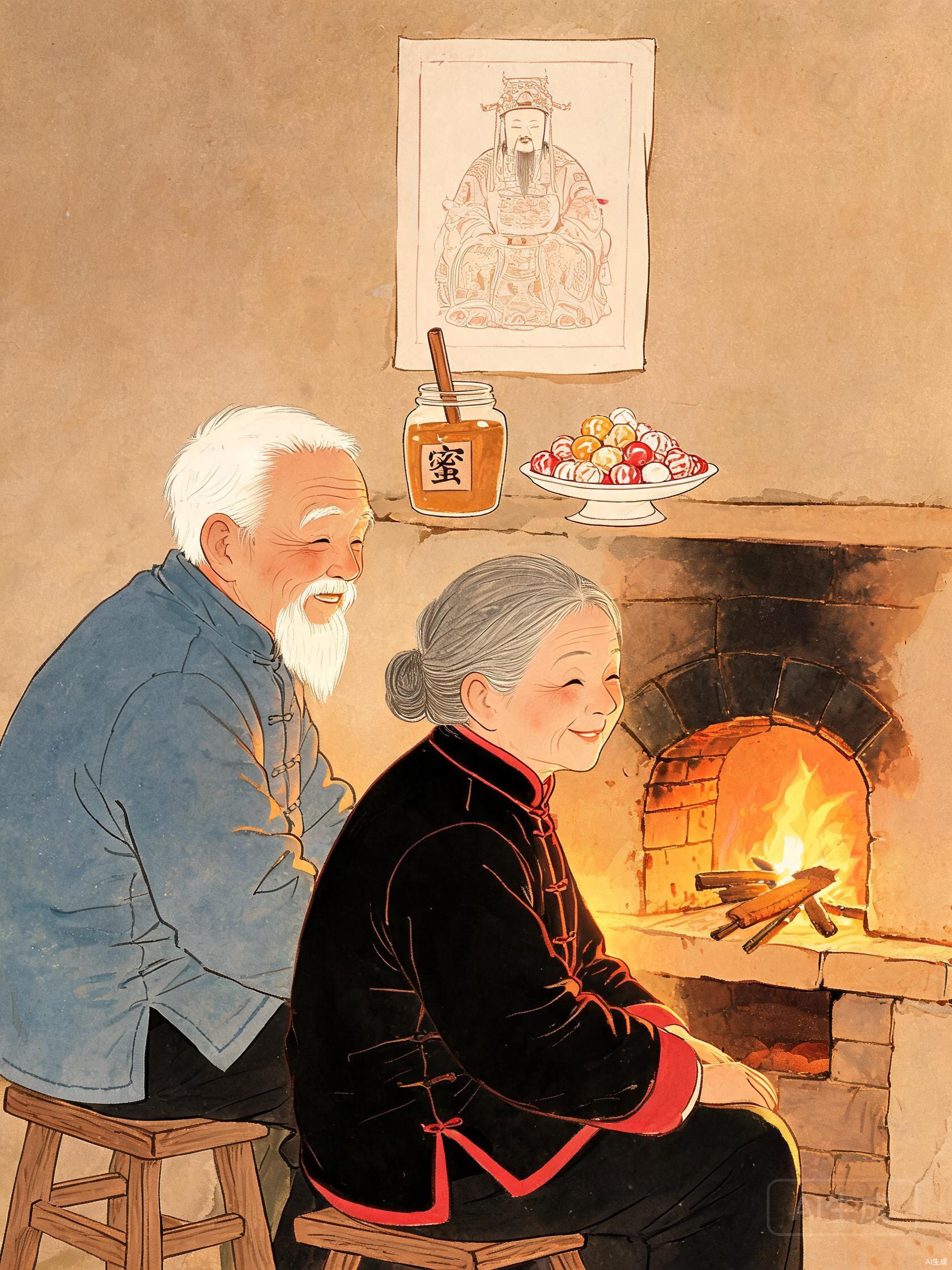
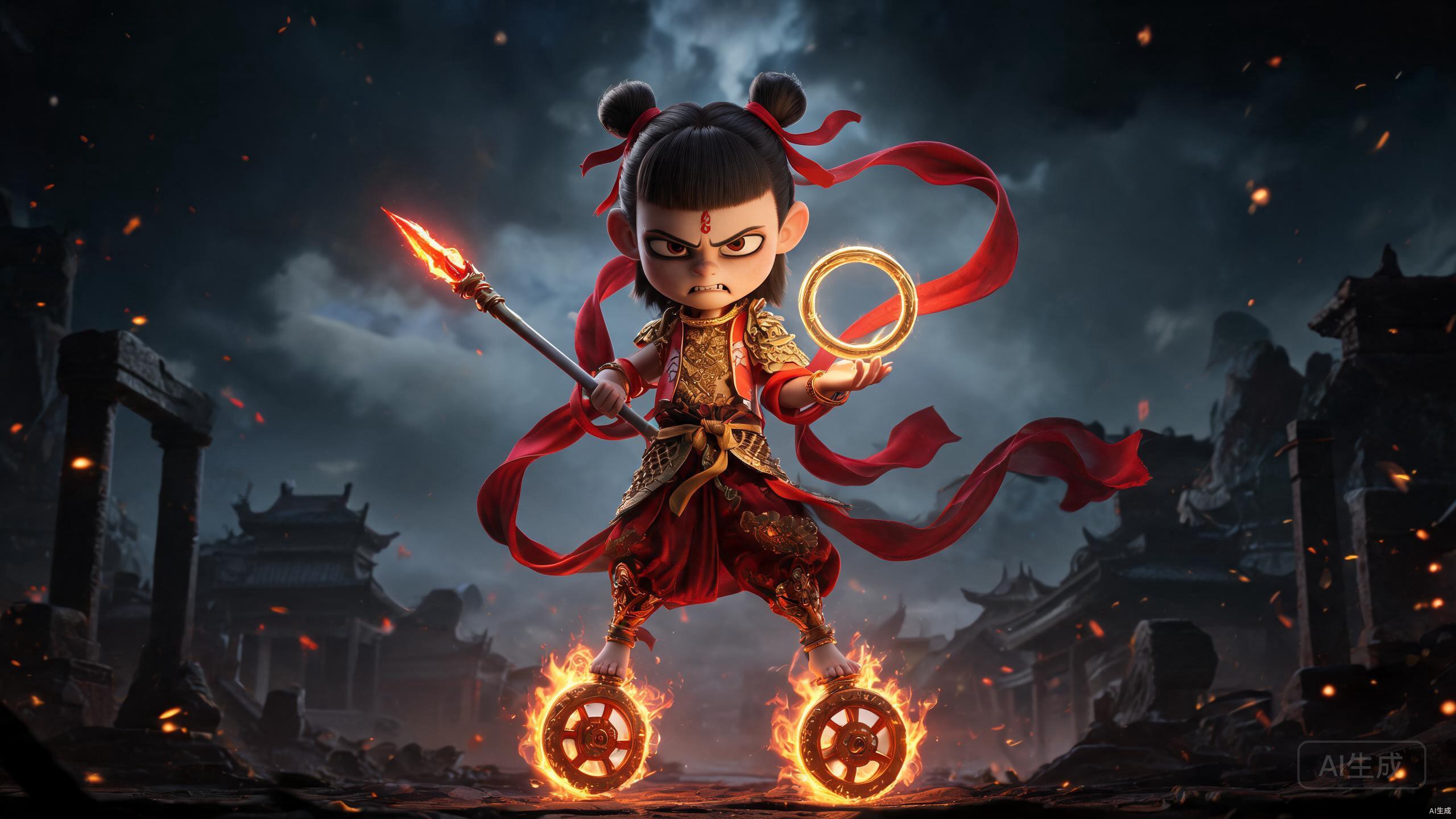
📱 Wallpaper · $2.99
Take 玉皇大帝 with you
High-resolution phone wallpaper of the Jade Emperor (玉皇大帝) — iconography drawn from classical Chinese sources, painted in traditional style.
📜 Iconography sources
The Jade Emperor rules the celestial bureaucracy in the Daoist scripture 《高上玉皇本行集经》 (Scripture of the Jade Emperor's Past Vows), and the heavenly court scenes of 《西游记》 (Journey to the West) fixed his image as the supreme monarch — twelve-tasseled imperial mianguan crown, dark dragon robe, holding the jade gui tablet. Ming–Qing shuilu ritual altar paintings show him enthroned exactly so, long black beard and all.
Buy & download
Explore the Topic
Jade Emperor in the Mythology Network
Go deeper — read the topic guides that gather every deity like Jade Emperor.