
Chinese Dragon
龙
The most powerful and beloved symbol in Chinese culture.
Origin Story
What Is the Chinese Dragon?
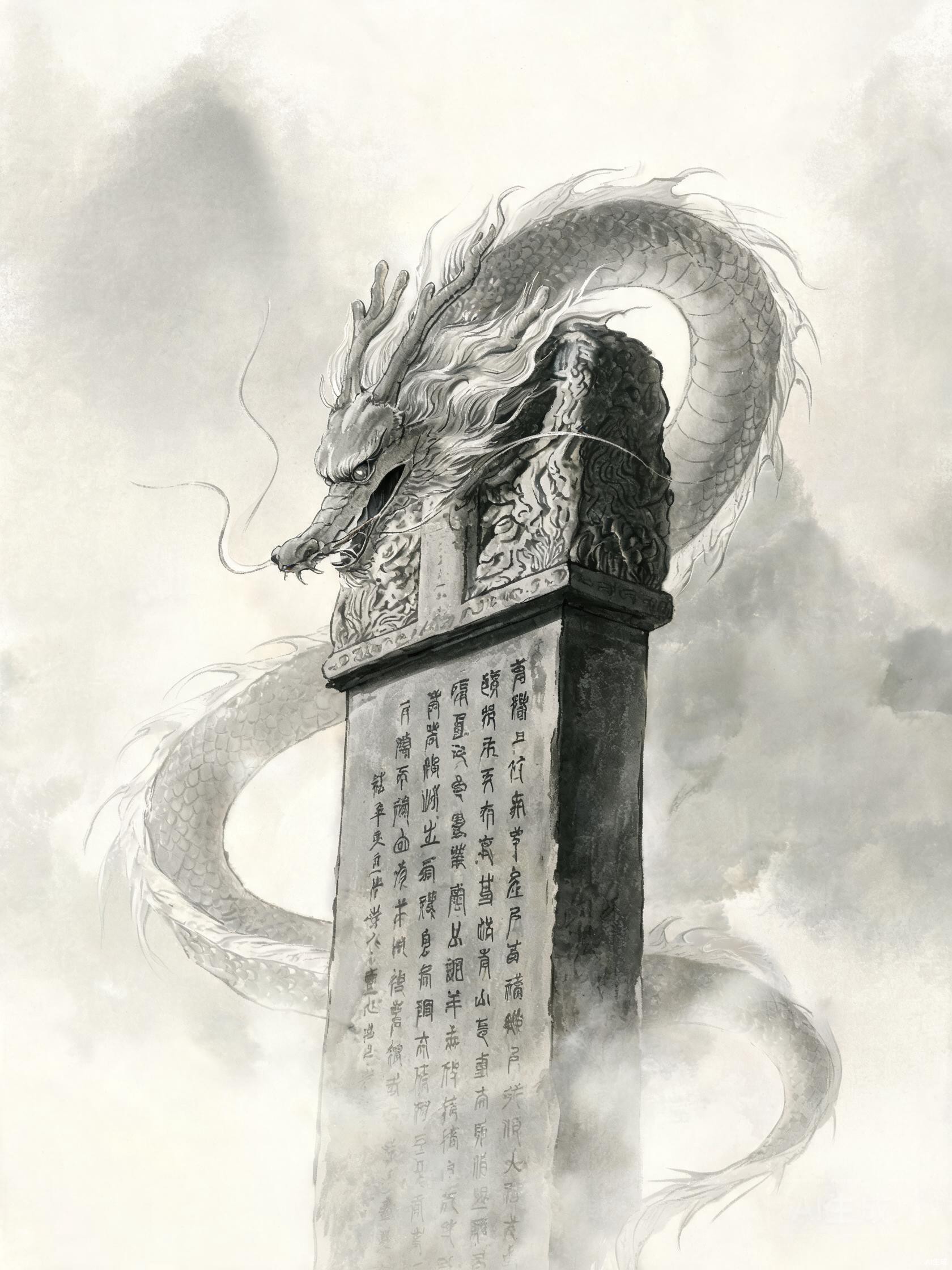
The Chinese dragon, or Long, is fundamentally different from the dragons of Western mythology. It is not a monster to be slain but a divine being to be revered — a creature of water, sky, and good fortune that has been the symbol of Chinese civilization for over 6,000 years.
The dragon's appearance is a composite of nine animals: the horns of a deer, the head of a camel, the eyes of a demon, the neck of a snake, the belly of a clam, the scales of a carp, the claws of an eagle, the soles of a tiger, and the ears of a cow. This composite nature reflects the Chinese understanding of the dragon as a creature that embodies all of nature's power.
The Chinese Dragon (Long) — a composite of nine animals, symbolizing all of nature's power
The Chinese Dragon (Long) is a divine creature of water, sky, and good fortune. Unlike the fire-breathing monsters of Western mythology, the Chinese dragon is a benevolent being that brings rain, prosperity, and imperial authority.
Powers & Symbols
Attributes & Artefacts
Click each card to reveal the details behind Chinese Dragon's divine attributes.
Historical & Cultural Meaning
Beyond the Myth
The Dragon's Powers
The Chinese dragon is fundamentally a water deity. It controls rain, rivers, lakes, and seas. In an agricultural civilization where rainfall meant life or death, the dragon's power to bring rain made it the most important supernatural being in daily Chinese life.
Dragons can fly without wings — they ride the clouds and mist. They can shrink to the size of a silkworm or grow large enough to swallow the sky. They can become invisible, transform into humans, and live for thousands of years.
Dragon Kings
In Chinese mythology, four Dragon Kings rule the four seas — East, South, West, and North. The most famous is Ao Guang, the Dragon King of the East Sea, who appears in both [Journey to the West](/myths/journey-to-the-west) and [Investiture](/myths/fengshen-yengyi) of the Gods.
Each Dragon King lives in an underwater palace and commands an army of aquatic creatures — shrimp soldiers, crab generals, and fish ministers. They control the weather over their respective seas and are petitioned for rain through temple rituals.
Chinese Dragon vs Western Dragon
The contrast between Chinese and Western dragons could not be starker. Western dragons (from European mythology) are typically malevolent, fire-breathing, hoarding treasure in caves, and slain by heroes like Saint George or Beowulf.
[Chinese dragon](/creatures/chinese-dragon)s are benevolent, associated with water rather than fire, bringers of rain and good fortune, and so revered that the Chinese emperor himself was called 'the Dragon.' The Western hero slays the dragon; the Chinese emperor wears the dragon on his robes.
This difference reflects fundamentally different relationships to nature: in Western tradition, nature is something to be conquered; in Chinese tradition, nature is something to be harmonized with.
The Dragon in Chinese Culture
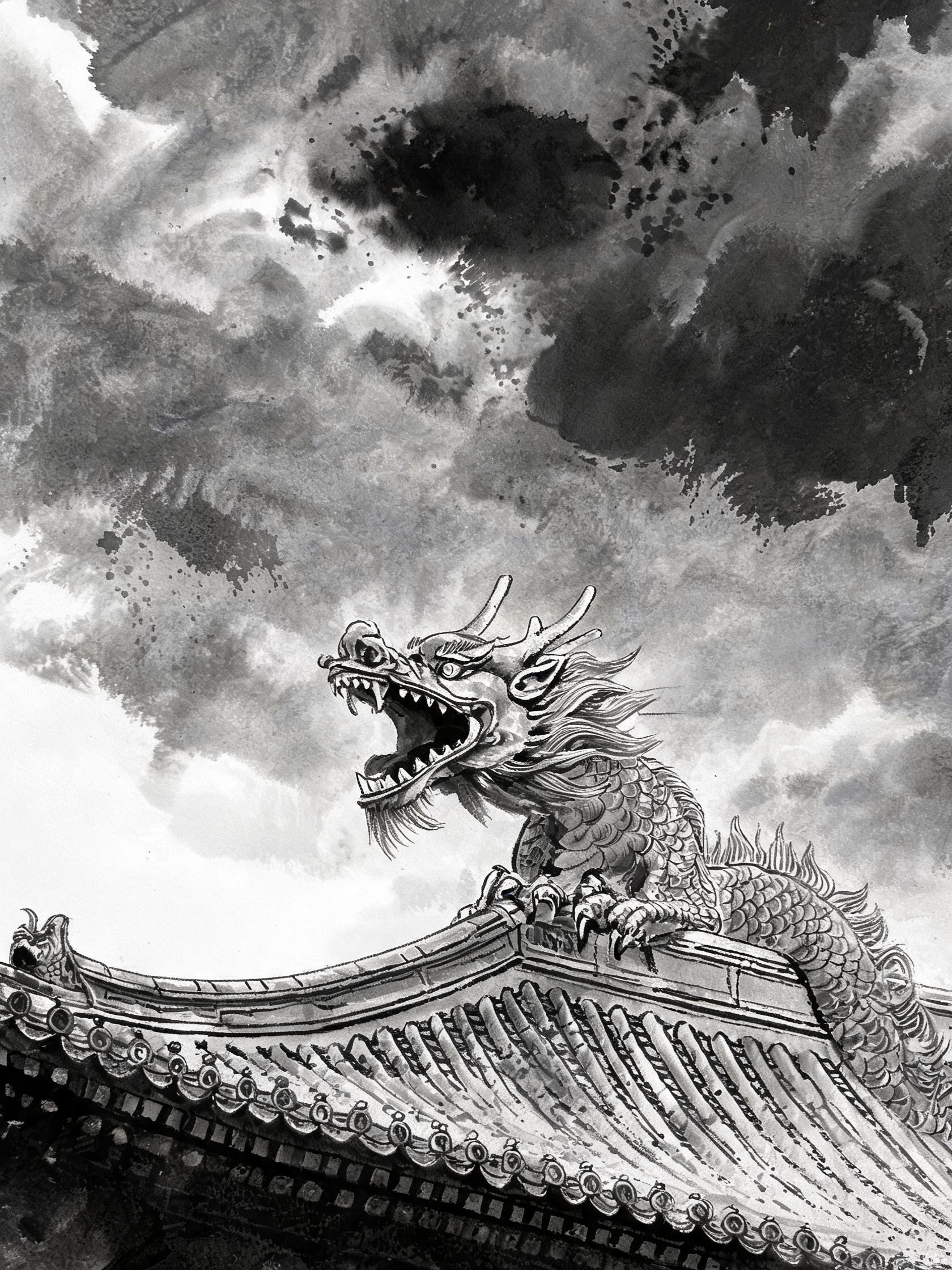
The dragon is everywhere in Chinese culture. It appears on the national flag (historically), imperial robes, temple roofs, festival dances, and everyday language. Chinese people call themselves 'descendants of the dragon' (龙的传人).
The [Dragon Boat](/folklore/dragon-boat-festival) Festival, held on the 5th day of the 5th lunar month, features elaborately decorated dragon boats racing on rivers — a tradition over 2,000 years old. The dragon dance, performed during Lunar New Year, chases away evil and brings good luck for the coming year.
In the Chinese zodiac, the [Dragon](/zodiac/zodiac-dragon) is the only mythical creature among the twelve animals — and it is considered the most auspicious sign. [Dragon](/symbols/long) years consistently see birth rate spikes in Chinese communities worldwide.
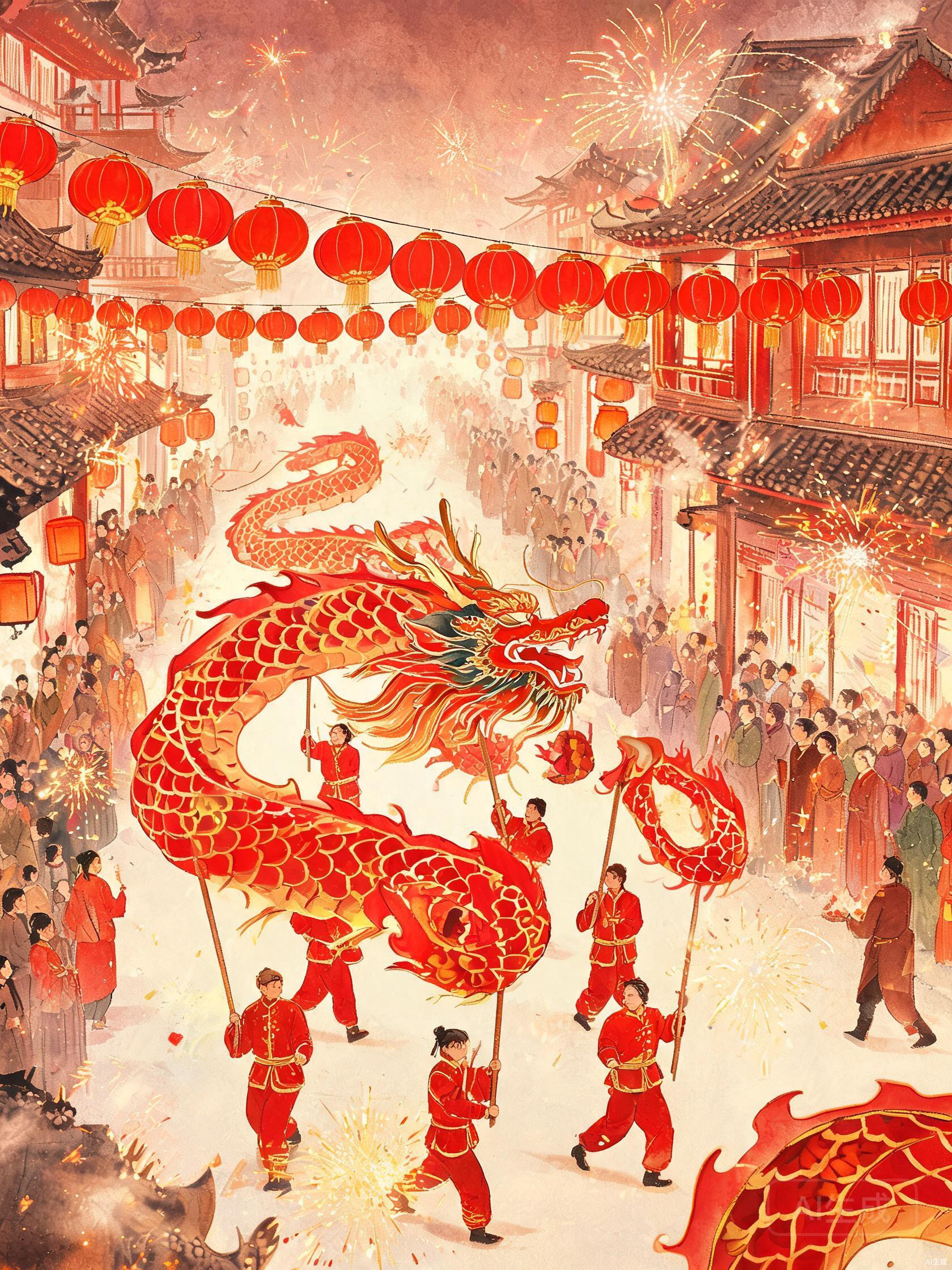
The Dragon Dance — performed during Lunar New Year to chase away evil and bring good fortune
Sources & References
Primary classical texts: Visser, M.W. de. The Dragon in China and Japan (Amsterdam: Johannes Müller, 1913) · Wang, Xiaowei. "The Cult of the Dragon in Ancient China" (PhD diss., University of Pennsylvania, 1999) · Shanhaijing (山海经, Classic of Mountains and Seas, c. 4th-2nd century BCE) · Fengshen Yanyi (封神演义, Investiture of the Gods, c. 16th century) · Journey to the West (西游记, Xiyouji, c. 16th century) · Records of the Grand Historian (史记, Shiji, by Sima Qian, c. 91 BCE)
Classical translations: Legge, James (trans.). The Sacred Books of the East (1879-1910, 50 volumes covering Chinese classics) · Girardot, Norman J. Myth and Meaning in Early Taoism (University of California Press, 1983) · Werner, E.T.C. A Dictionary of Chinese Mythology (Shanghai: Kelly & Walsh, 1932)
Modern academic references: Birrell, Anne. Chinese Mythology: An Introduction (Baltimore: Johns Hopkins University Press, 1993) · Yang, Lihui, and Deming An. Handbook of Chinese Mythology (New York: Oxford University Press, 2005) · Strassberg, Richard E. A Chinese Bestiary: Strange Creatures from the Guideways Through Mountains and Seas (Berkeley: University of California Press, 2002)
Digital encyclopedias and online resources: Wikipedia — Chinese mythology portal (continuously updated, citations to primary sources) · Encyclopedia Britannica — Mythology and Religion section
Mythology Network
Connections & Relationships
Chinese Dragon is woven into a larger web of gods, creatures, and legends. Explore the connections below.
Chinese Dragon
龙


Explore the Topic
Chinese Dragon in the Mythology Network
Go deeper — read the topic guides that gather every creature like Chinese Dragon.