
Firecrackers (Baozhu)
鞭炮
The string of red-banded gunpowder that scares away the Nian beast every New Year’s Eve.
Origin Story
How Firecrackers Work
Firecrackers are bamboo tubes, and later paper tubes, filled with a small charge of black powder. The fuse is lit; the powder explodes with a sharp bang. Multiple tubes are bound together in a long string (‘bian’, literally ‘string’). When the whole string is lit at once, the bangs cascade down the line like a roll of thunder.
Modern firecrackers range from the loudest, hung in towers and exploded at midnight, to small ones held in the hand and popped one at a time. The most popular modern form is the firework (‘yanhua’), the elevated aerial shell that blooms in the night sky.
Firecrackers (literally “string of fire”) are red-papered strings of small gunpowder charges whose loud bangs are the great New Year’s-Eve tradition. According to legend, the noise drives away the Nian, the same fearsome beast the red color is meant to repel. Today, firecrackers accompany every major festival and many weddings, business openings, and ancestor rites.
Powers & Symbols
Attributes & Artefacts
Click each card to reveal the details behind Firecrackers (Baozhu)'s divine attributes.
Magical Artifacts & Weapons
Firecrackers (Baozhu)'s Divine Arsenal
The legendary weapons and treasures wielded by Firecrackers (Baozhu) — each with its own origin story, powers, and mythological significance.
Historical & Cultural Meaning
Beyond the Myth
The Nian Legend
According to the Spring Festival myth, the Nian beast — a fearsome creature that emerged from the deep — could be driven away by three things: the color red, bright lights, and loud noises. New Year’s Eve, when the beast was rumored to descend, was the night to deploy all three. Hence the firecrackers, the red paper, and the lanterns.
Modern Chinese doubters note that the original purpose of firecrackers was practical — scare away evil in general — rather than specifically the Nian. But the Nian legend has entered the popular imagination. Most children cannot tell you what the Nian looks like; they remember only that firecrackers scare it.
Festivals and Weddings
Beyond New Year, firecrackers appear at weddings (where they greet the bride and groom), at business openings (where they inaugurate a new shop), at funerals (a final salute), at the opening of temple festivals, and at major family milestones. The list is long, and the social meaning of firecrackers is one of — we have arrived; we want to be noticed; we celebrate loudly.’
In some regions, the particular sequence of firecrackers at a festival encodes the festival’s logic. New Year’s Eve has a long string; weddings have a shorter, faster burst; openings have a ceremonial single bang followed by a string. Each bang is a sentence in the social language.
Modern Limits
Most large Chinese cities now restrict firecrackers to designated times — New Year’s Eve and the first and fifteenth days of the lunar new year. The restrictions are environmental and safety-related: many residents found the noise unpleasant, and firecracker-related fires and injuries were too common.
Proponents argue that the tradition is essential to the cultural meaning of the year. Opponents argue that the modern state of Chinese cities cannot accommodate the noise. The compromise — fireworks displays organized by the city, individual firecrackers at appointed times — is one that most regions have accepted.
Mythology Network
Connections & Relationships
Firecrackers (Baozhu) is woven into a larger web of gods, creatures, and legends. Explore the connections below.
Firecrackers (Baozhu)
鞭炮
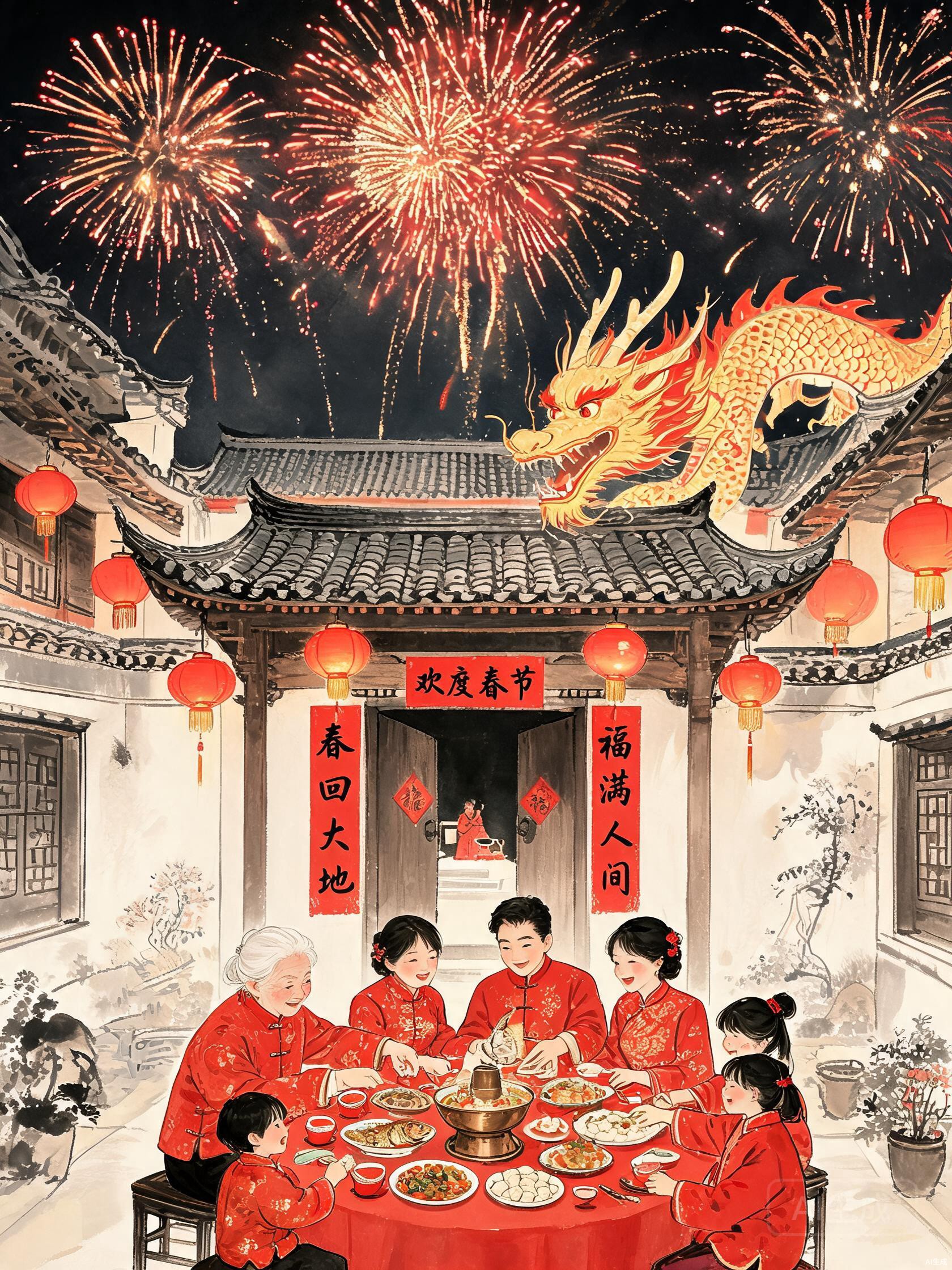
Spring Festival (Lunar New Year)
The most important festival in Chinese culture, celebrating the turning of the lunar year.
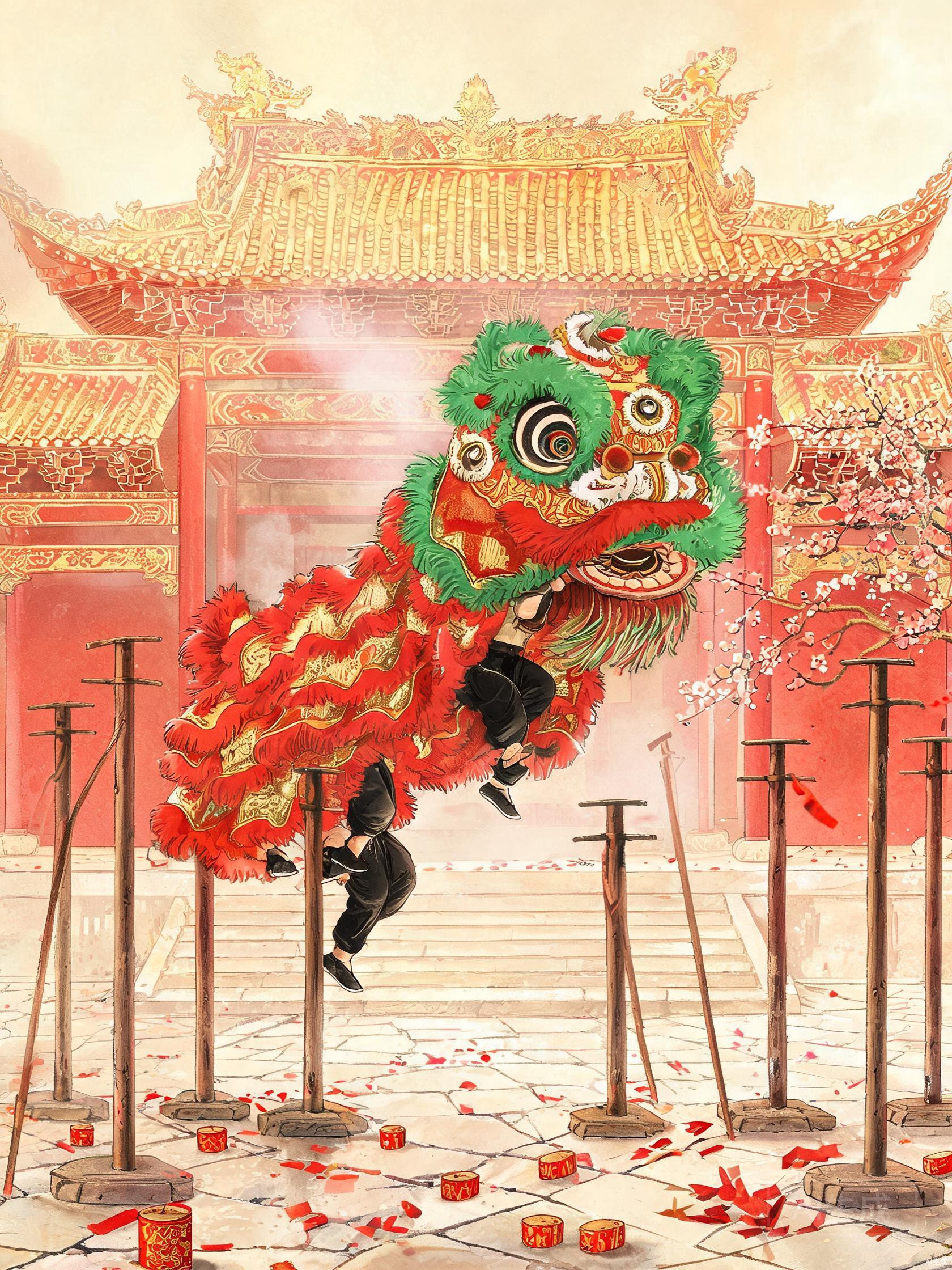
Lion Dance
The thunderous dance that drives away evil and brings prosperity.
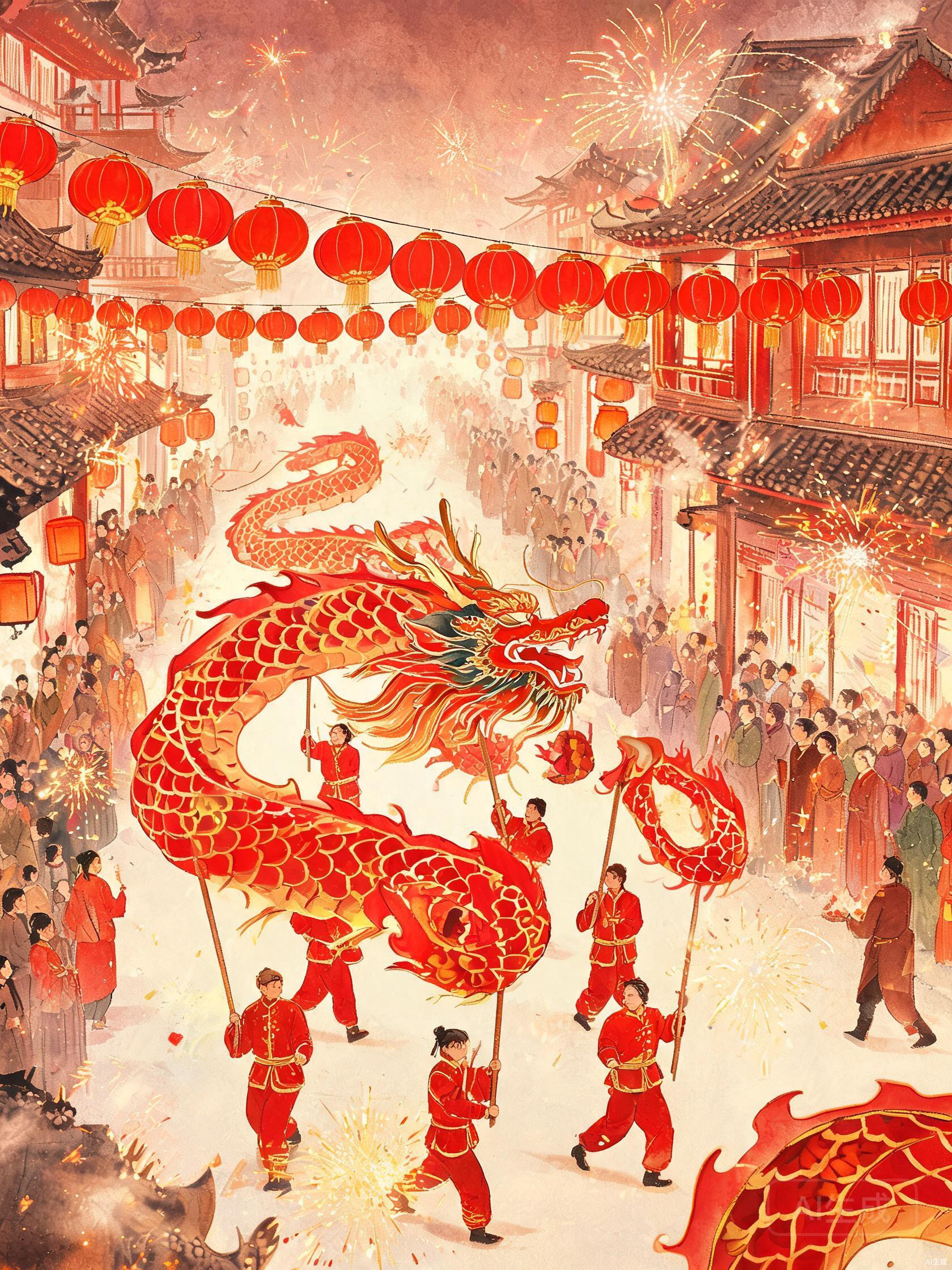
Dragon Dance
The magnificent dance of the celestial dragon that brings rain and prosperity.

Nian
The beast that gave birth to Chinese New Year.