
Hanshi Festival - Cold Food Day
寒食节
The day of no fire — commemorating the martyrdom of Jie Zitui.
Origin Story
Jie Zitui’s Martyrdom
The story has it that Duke Wen of Jin, fleeing his home state in exile, was followed by a loyal minister named Jie Zitui. After years of hardship in the forests, the duke finally returned to power. He rewarded most of his followers with high office — but forgot Jie Zitui, who had been too modest to ask.
Jie Zitui retreated to the forest with his mother, refusing to come out. Duke Wen, in his remorse, ordered the forest burned to force Jie Zitui out — but the minister died in the fire, clinging to a tree. The duke was horrified; he ordered the fire quenched, the forest never burned again, and a day of cold food in Jie Zitui’s memory.
The Hanshi (Cold Food) Festival was observed for over two thousand years on the two or three days before Qingming. People ate no cooked food; no fire was lit. The ritual commemorated Jie Zitui, a faithful minister of Duke Wen of Jin who died in a forest fire and was honored with the sacrifice of fire-quenching.
Powers & Symbols
Attributes & Artefacts
Click each card to reveal the details behind Hanshi Festival - Cold Food Day's divine attributes.
Magical Artifacts & Weapons
Hanshi Festival - Cold Food Day's Divine Arsenal
The legendary weapons and treasures wielded by Hanshi Festival - Cold Food Day — each with its own origin story, powers, and mythological significance.
Historical & Cultural Meaning
Beyond the Myth
Customs of Cold Food
On Hanshi, no fire was lit in the household — not even for cooking. People ate cold food: rice balls, dried meats, pickled vegetables, fruits, bread. In some regions, the day extended to two or three days of no fire; in others, only the day before Qingming was observed.
The festival also had social effects: no marriage ceremonies, no ancestor rites involving incense, no cooking lessons for daughters-in-law. The household held its breath. Children especially missed the hot meals and would beg for at least one cooked dish on the second day.
Connection to Qingming
By the Tang dynasty, Hanshi and Qingming were celebrated as a continuous period. Eventually (after a 7th-century imperial order), Hanshi was officially moved into Qingming itself. The cold-food restrictions were relaxed; the fire-quenching ritual remained as a small Qingming gesture.
In Shanxi province — the heartland of the Jin state — Hanshi is still observed as a separate one-day festival. Locals eat cold meals, visit the Cold Food Temple, and tell the Jie Zitui story. The festival has been inscribed on the provincial intangible heritage list.
Cultural Resonance
Hanshi’s central theme is moral memory: even the powerful can forget their loyal followers, and the proper response to such forgetting is ritualized self-denial. The cold-food fast imposes a small suffering on every household — a reminder that the king must remember those who died for him.
In modern Chinese political philosophy, Hanshi has been read as one of the earliest models of conscientious objection and atonement. The festival’s quiet endurance — a day of no fire, observed for two thousand years — is itself a model of moral persistence.
Mythology Network
Connections & Relationships
Hanshi Festival - Cold Food Day is woven into a larger web of gods, creatures, and legends. Explore the connections below.
Hanshi Festival - Cold Food Day
寒食节
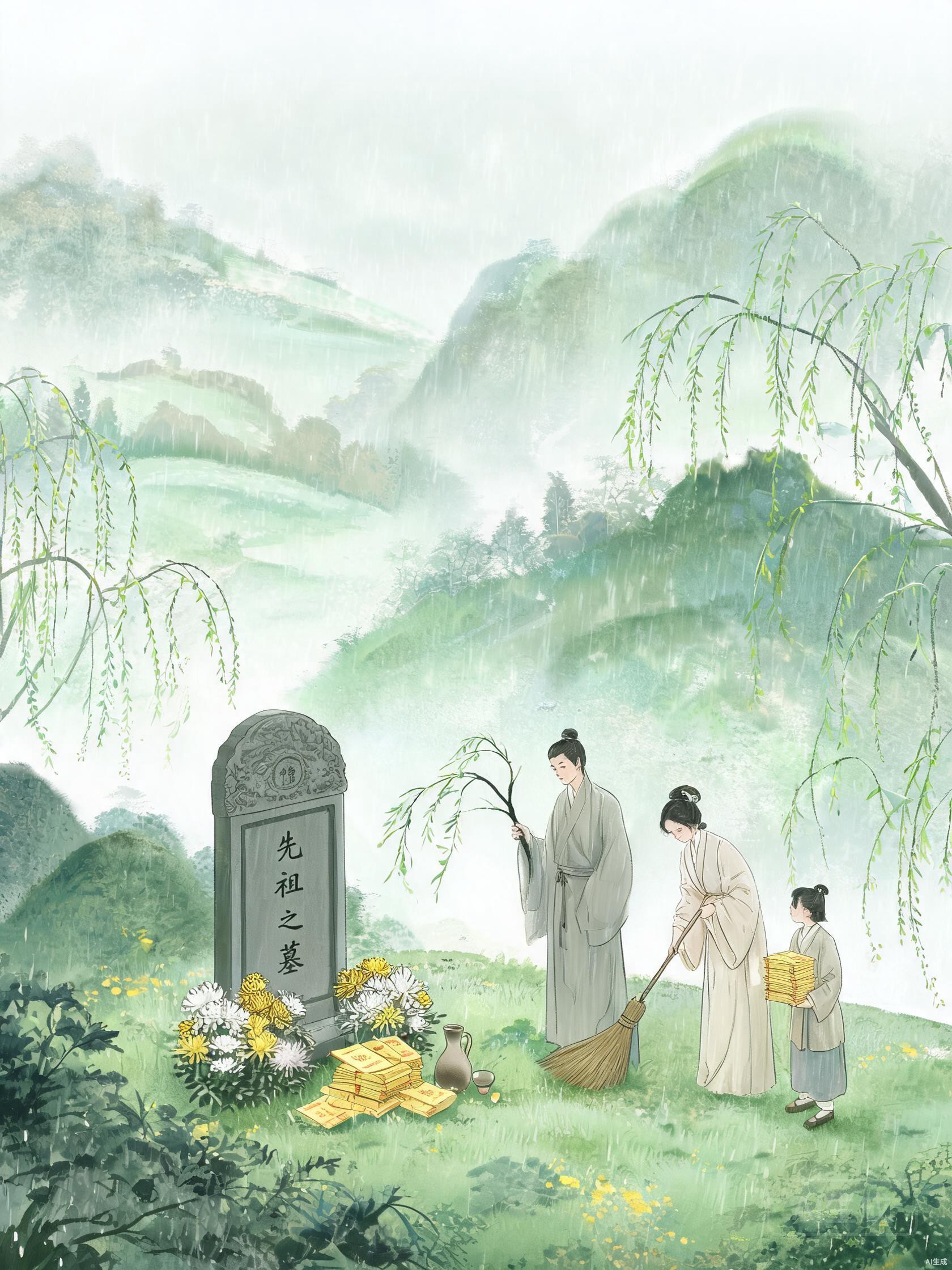
Qingming Festival (Tomb Sweeping Day)
The day when Chinese families honor their ancestors by tending to their graves.

Shangsi Festival
The third day of the third lunar month — the festival of purification and renewal.
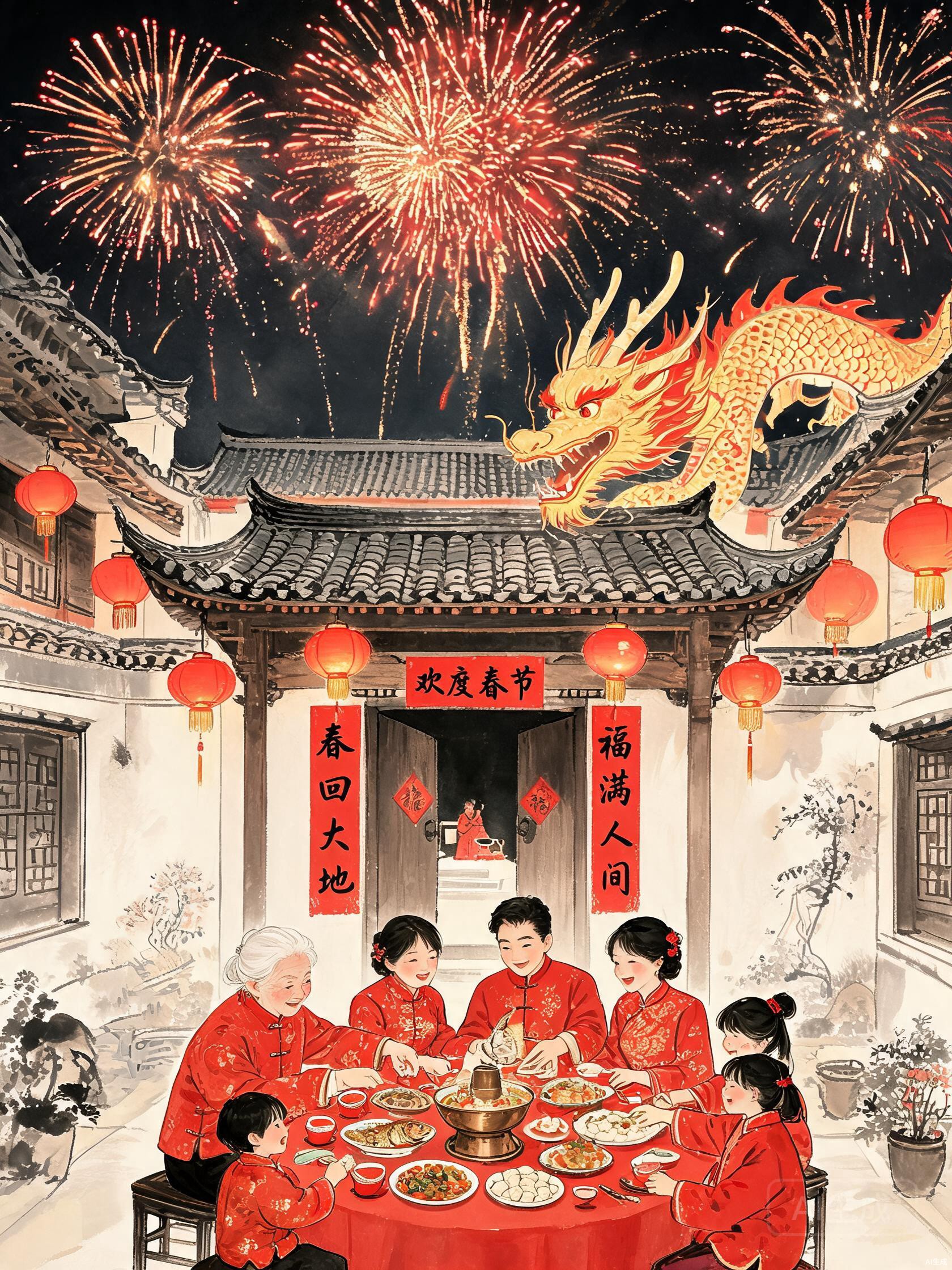
Spring Festival (Lunar New Year)
The most important festival in Chinese culture, celebrating the turning of the lunar year.
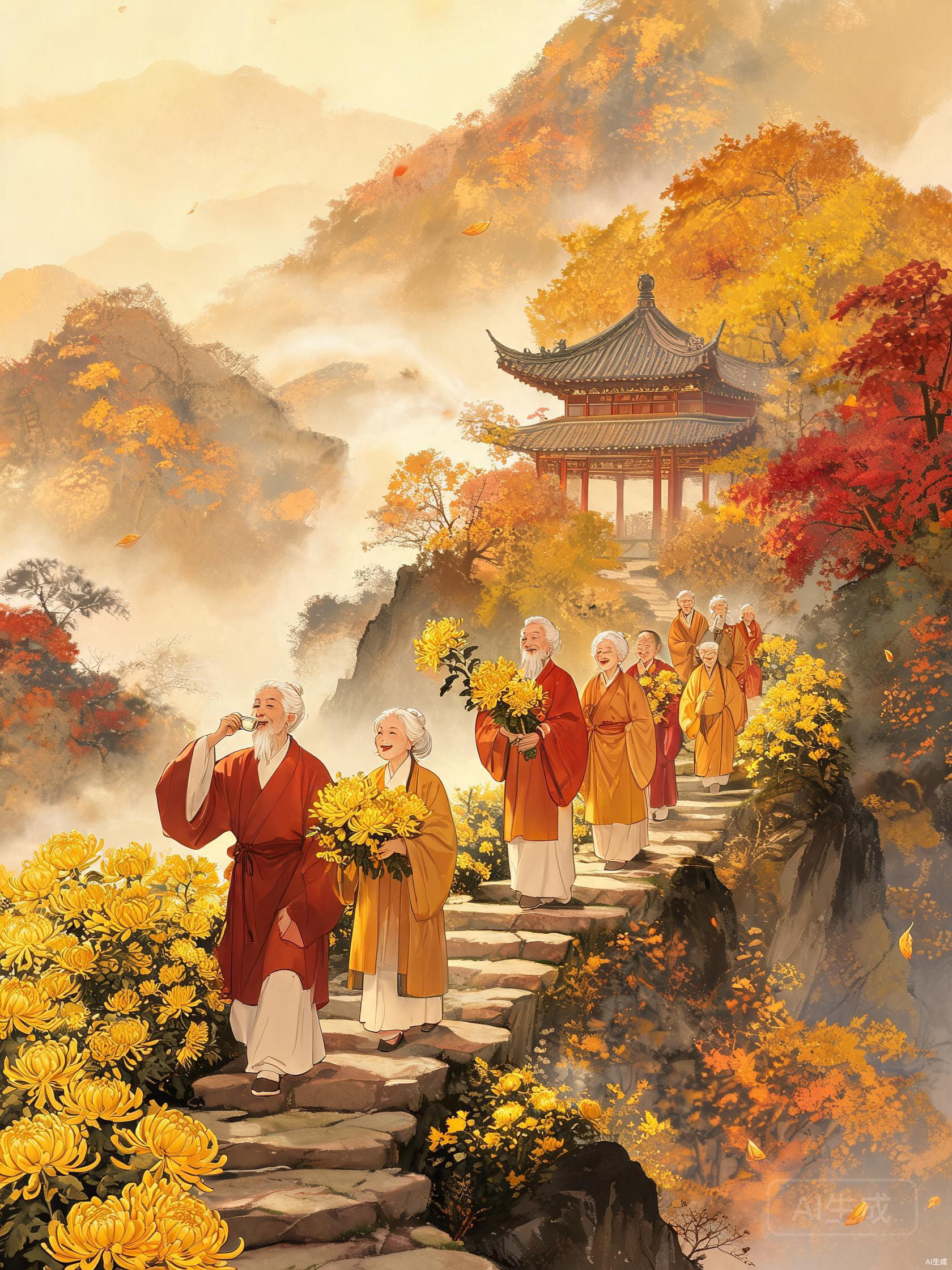
Double Ninth Festival
A festival of climbing high, drinking chrysanthemum wine, and honoring elders.