
Shangsi Festival
上巳节
The third day of the third lunar month — the festival of purification and renewal.
Origin Story
Rituals of Purification
Shangsi originated as a rite of purification at the spring’s first warm rivers. The Liji describes nobles gathering at the rivers’ edge to bathe in waters scented with orchids, to remove the ailments of winter. The festival had a strong medicinal character in pre-Qin ritual; the bath was both physical and religious.
Eventually, Shangsi was joined to (and partly displaced by) Qingming — another spring festival with tomb-sweeping duties. But the Shangsi ethos persists in local southern festivals, especially in the Zhuang, Miao, and Yao ethnic regions.
The Shangsi Festival, observed on the third day of the third lunar month, was one of ancient China’s major seasonal rites. Traditionally a day for purification by rivers, communal feasting, and romantic encounters between young men and women, it was eventually folded into Qingming but lives on in folk traditions in southern China.
Powers & Symbols
Attributes & Artefacts
Click each card to reveal the details behind Shangsi Festival's divine attributes.
Magical Artifacts & Weapons
Shangsi Festival's Divine Arsenal
The legendary weapons and treasures wielded by Shangsi Festival — each with its own origin story, powers, and mythological significance.
Historical & Cultural Meaning
Beyond the Myth
Day of Romance
Shangsi was also a romantic festival. The Liji grants that on the third day of the third month, men and women of marriageable age were allowed to meet at the riverside. The custom eventually became the model for the spring outings in Chinese literature — the lover’s festival, the day when spring’s first call could be answered.
This romantic layer of Shangsi is preserved in the famous Curly River story of Wang Xian, the Yellow Crane Tower’s patron. He saw his friend Cao E drown and gave her a love-gift on the third day of the third month. The romance of Shangsi informed a millennium of poetry.
Modern Echoes
Today, the Shangsi Festival is celebrated locally in some southwestern Chinese ethnic regions, where it has retained its pre-Qin content. In these festivals, the river bathing and orchid-scenting rituals still take place; ethnic costumes and folk dances punctuate the day.
For most urban Chinese, however, Shangsi has become a more literary holiday — a reference in poems and festival names. Some tourist sites (e.g., the Curly River pavilion in Wuhan, the West Lake in Hangzhou) still promote Shangsi-themed events, partly to revive interest in the older festival system.
Symbolic Weight
The festival’s symbolism is consistent across time: water purification, spring’s first warmth, the renewal of the body and the blooming of romance. For ancient Chinese, spring festivals carried these three themes consistently — Shangsi is the third-month purification, Qingming the fifteenth-month tomb visit, and Donghai the vernal equinox.
Modern readers interested in the deeper psychology of Chinese festivals find Shangsi particularly instructive: it shows that Chinese seasonal ritual has always been a multi-level affair — a physical cleansing, a social encounter, and a cosmological reset, all in one day.
Mythology Network
Connections & Relationships
Shangsi Festival is woven into a larger web of gods, creatures, and legends. Explore the connections below.
Shangsi Festival
上巳节
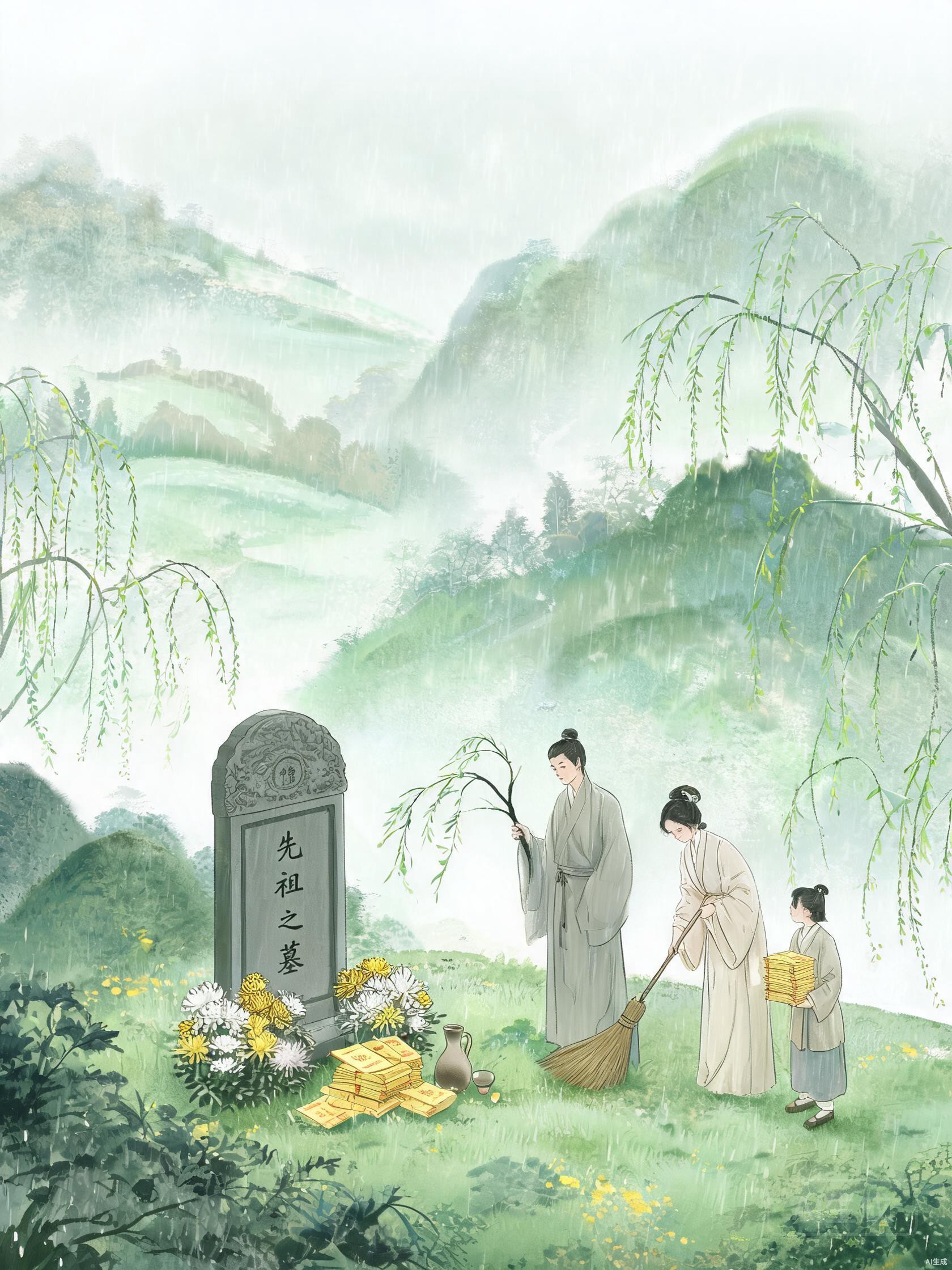
Qingming Festival (Tomb Sweeping Day)
The day when Chinese families honor their ancestors by tending to their graves.
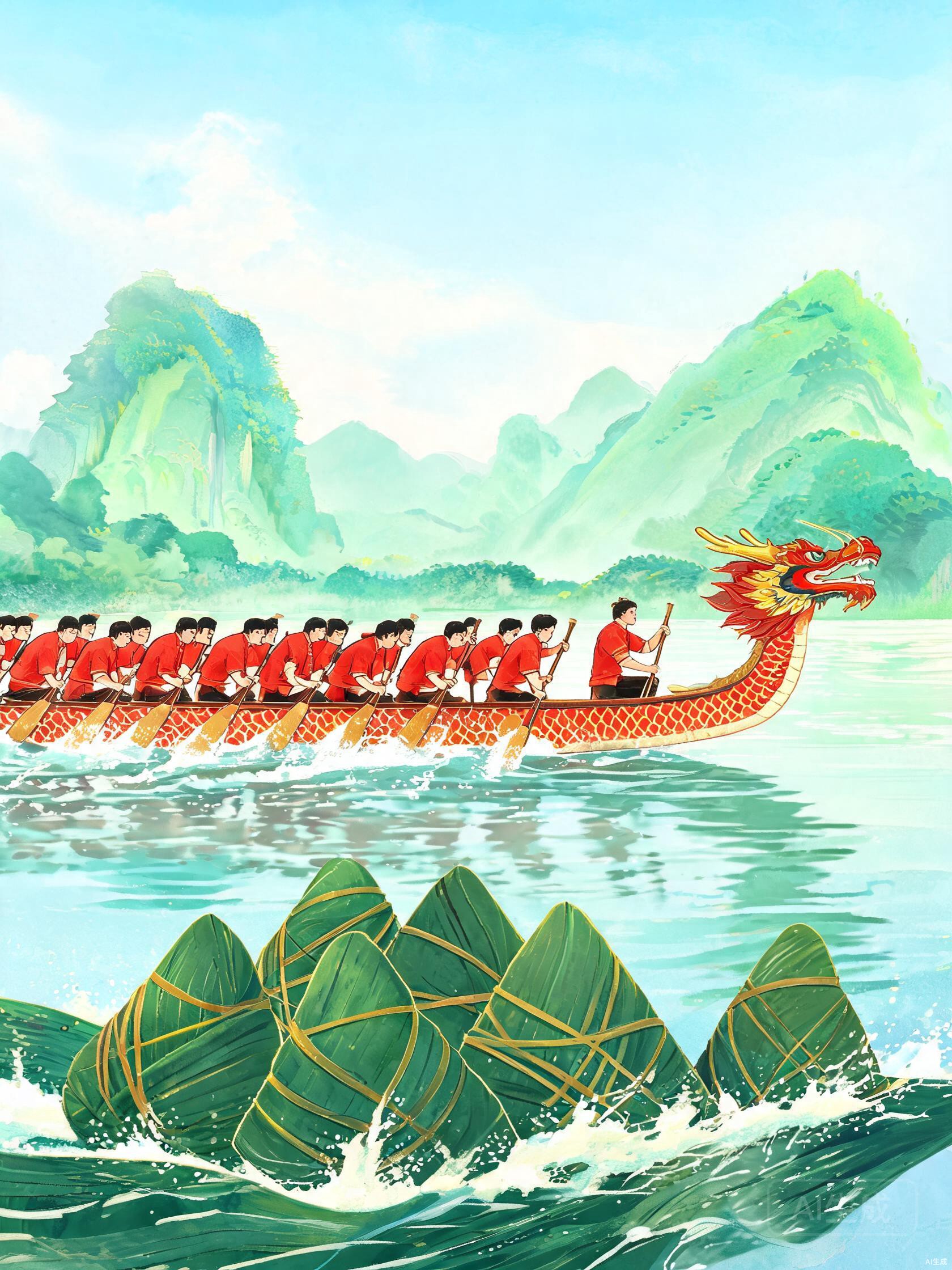
Dragon Boat Festival
A festival of dragon boats, zongzi, and the memory of the poet Qu Yuan.
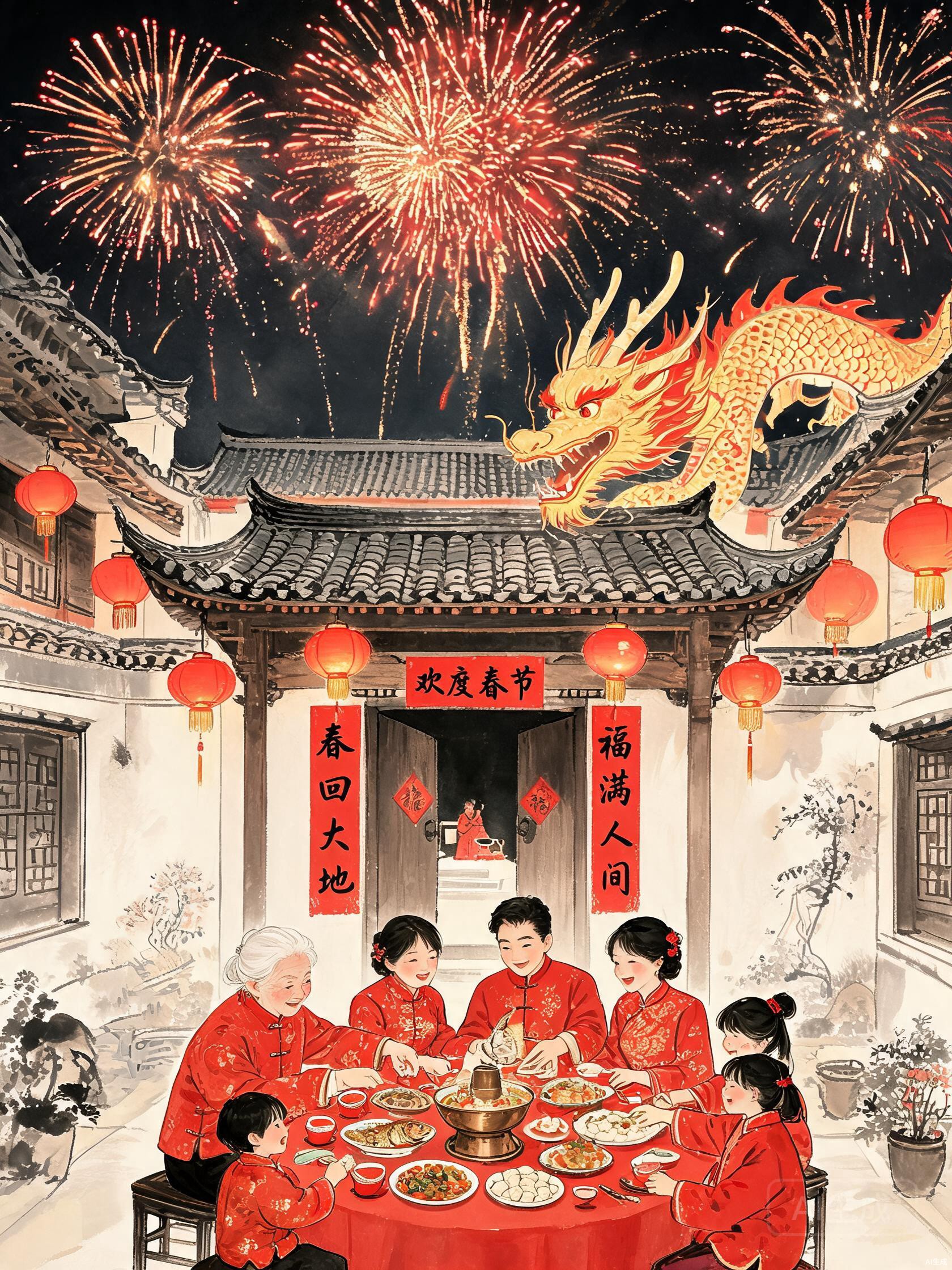
Spring Festival (Lunar New Year)
The most important festival in Chinese culture, celebrating the turning of the lunar year.
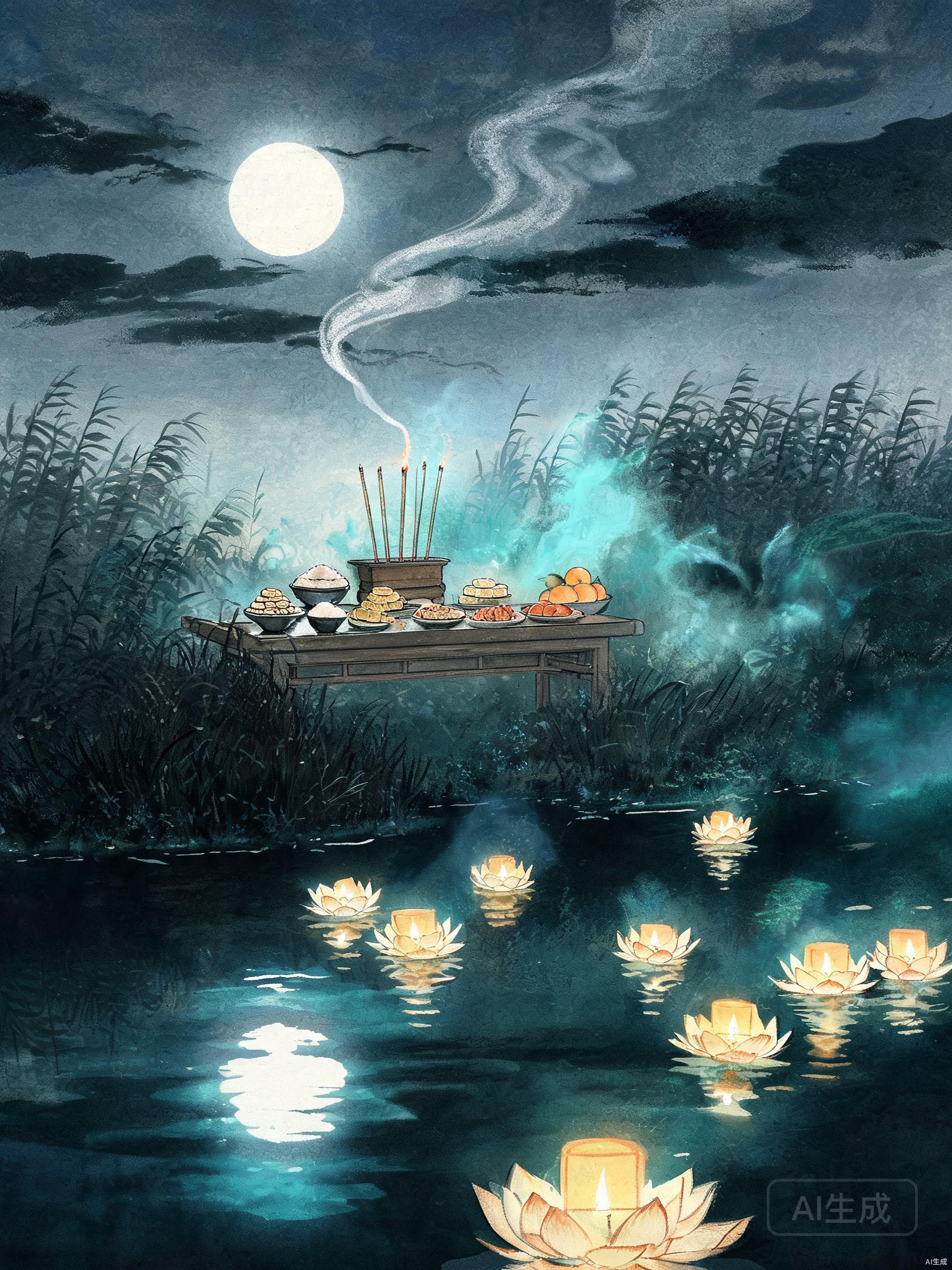
Ghost Festival (Zhongyuan)
The month when the gates of the underworld open and spirits roam the earth.