
Longtaitou - Dragon Head Festival
龙抬头
The day the dragon raises its head — the second-month festival of rain and new beginnings.
Origin Story
Why the Second of the Second?
The date itself carries cosmological weight. The number two (‘er’) is associated with the earth; the dragons govern water and rain; the second month of spring is when the ice melts. The second day of the second month is therefore the symbolic awakening of the dragon—s first raising of the head, first call for rain, first signal that the year is properly underway.
Many farm calendars used to mark the start of field labor on Longtaitou. Before the festival, the earth had been sealed by winter; after, the dragon summons rain and the soil is loosened. The festival is the hinge between winter and the agricultural year.
Longtaitou (‘dragon head'), observed on the second day of the second lunar month, marks the day the dragon awakens from winter sleep and raises his head to call for spring rain. The festival includes dragon-processions, ritual hair-cuts, and the custom of eating ‘dragon whisker noodles’ — long noodles symbolizing the dragon’s life.
Powers & Symbols
Attributes & Artefacts
Click each card to reveal the details behind Longtaitou - Dragon Head Festival's divine attributes.
Magical Artifacts & Weapons
Longtaitou - Dragon Head Festival's Divine Arsenal
The legendary weapons and treasures wielded by Longtaitou - Dragon Head Festival — each with its own origin story, powers, and mythological significance.
Historical & Cultural Meaning
Beyond the Myth
The Haircut
The most famous custom is the haircut (‘tou fa)). Children, in particular, get their first spring haircut on Longtaitou — the dragon’s awakening is also a hair’s awakening. The cut is often a simple buzz; the symbolism is that the child grows in step with the dragon.
For adults, the haircut is optional — and indeed has its taboo. ‘Cutting hair in the first month means mourning your uncle’ — so many people wait until Longtaitou to get a fresh trim. The Longtaitou cut closes the winter fast and welcomes the year.
Dragon’s Whisker Noodles
Long noodles are the festive dish. ‘Dragon’s whisker’ noodles (‘long xu mian’) are long, thin noodles that the diner does not cut; the longer the noodles, the longer the life. In northern China they are eaten with soy sauce and greens; in southern China, in clear broth.
Other foods are also named for dragons: dragon’s ears (a type of dumpling), dragon eyes (a kind of sweet bean bun), dragon pearls (small rice balls). On Longtaitou, almost any food is given a dragon-themed name; the day is a culinary celebration of the dragon’s renewed presence.
Regional Customs
In the north, Longtaitou is called ‘Longtaitou er’ er’ (‘dragon head two-two’) and is primarily agricultural. In the south — especially Sichuan and Guangdong — it is more about the dragon dance and ritual rain-calling. Both have dragon boat races in some years.
In some places, women return to visit their natal families on Longtaitou. It is one of the few spring festivals with a distinct women’s character — the women’s dragon head. The custom varies by region but signals that the festival is large enough to absorb both agricultural and kinship meanings.
Mythology Network
Connections & Relationships
Longtaitou - Dragon Head Festival is woven into a larger web of gods, creatures, and legends. Explore the connections below.
Longtaitou - Dragon Head Festival
龙抬头
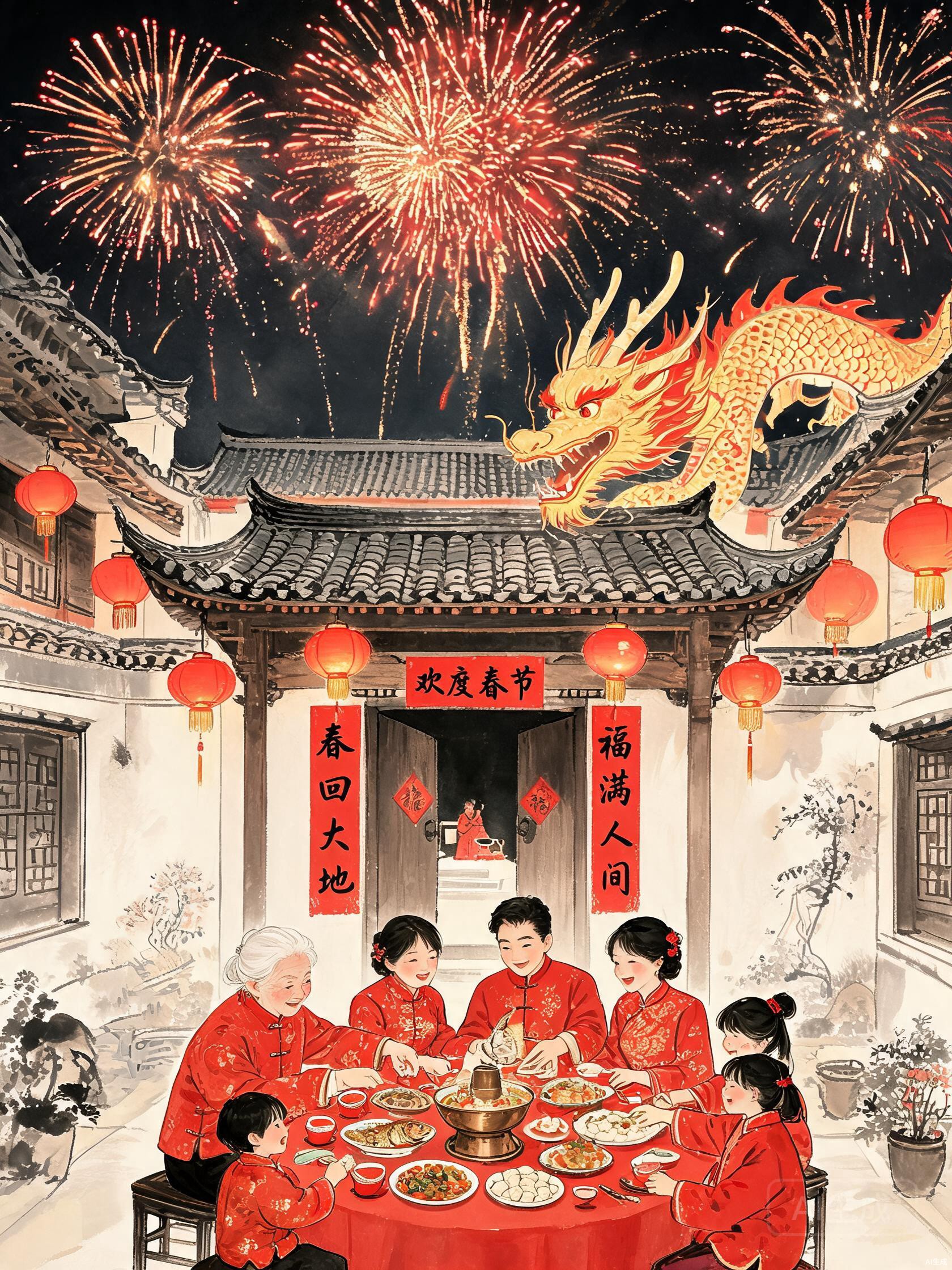
Spring Festival (Lunar New Year)
The most important festival in Chinese culture, celebrating the turning of the lunar year.
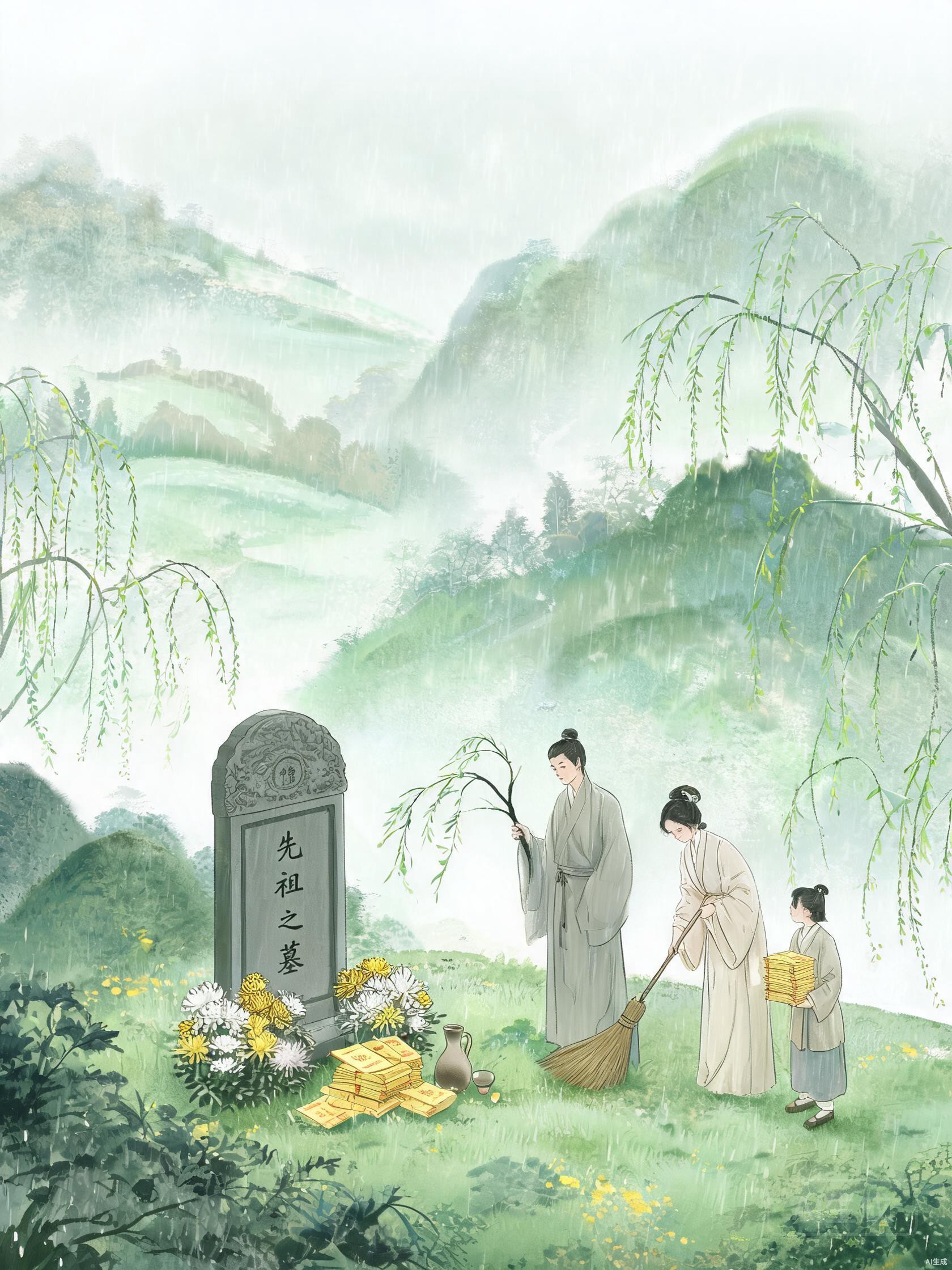
Qingming Festival (Tomb Sweeping Day)
The day when Chinese families honor their ancestors by tending to their graves.
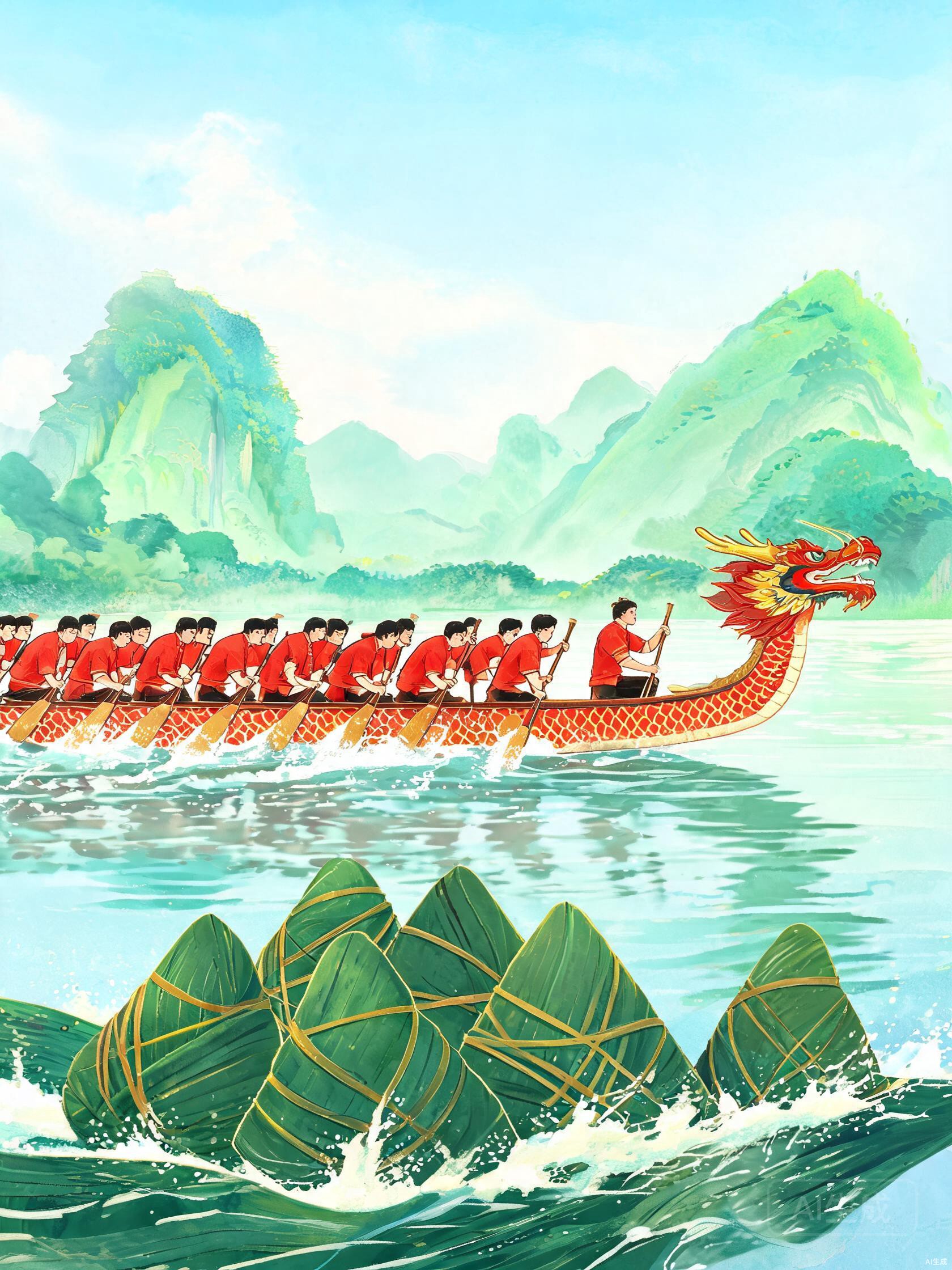
Dragon Boat Festival
A festival of dragon boats, zongzi, and the memory of the poet Qu Yuan.
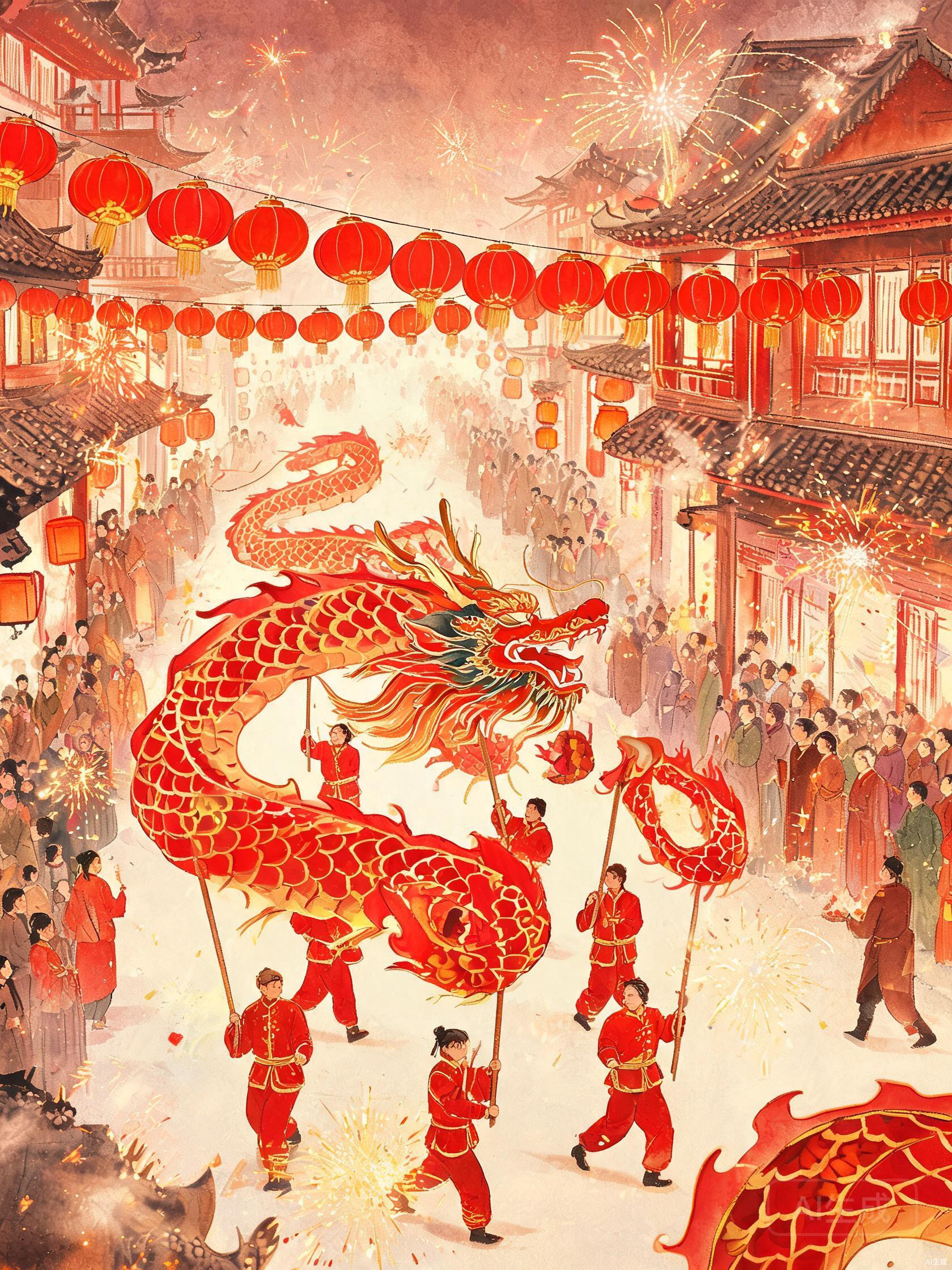
Dragon Dance
The magnificent dance of the celestial dragon that brings rain and prosperity.