
Judge Pan (Panguan)
判官
The chief magistrate of the underworld — who writes every dead soul’s verdict.
Origin Story
Who Is the Panguan?
The Panguan is the bureaucratic face of the underworld. While Yanluo Wang is the king, the Panguan is the officer who handles the cases. Verdicts are written in the dead’s name; questions are put to the living; sentences are executed. The Panguan is the daily operator of the cosmic courts.
Different traditions identify the Panguan with different historical figures. The most popular is Cui Yu, a Tang-dynasty magistrate famous for justice; he is the patron of judges to this day. Zhong Kui — the demon-queller — is a popular variant. Some traditions name Bao Zheng, the incorruptible Song-dynasty magistrate, as the chief Panguan.
The Panguan (‘Judge’) is the chief magistrate of the Chinese underworld, the official who draws up verdicts for the dead. In folklore and opera, the Panguan is identified variously with Cui Yu (‘Lord Cui’), a deified Tang magistrate; with Zhong Kui, the demon-quelling ghost-buster; and with various historical figures who became underworld judges after death.
Powers & Symbols
Attributes & Artefacts
Click each card to reveal the details behind Judge Pan (Panguan)'s divine attributes.
Magical Artifacts & Weapons
Judge Pan (Panguan)'s Divine Arsenal
The legendary weapons and treasures wielded by Judge Pan (Panguan) — each with its own origin story, powers, and mythological significance.
Historical & Cultural Meaning
Beyond the Myth
Functions in Court
The Panguan’s principal tool is the brush and verdict-book. With them he records the deeds of the newly dead, decides the appropriate punishment (or reward), and dispatches the soul to its proper hell or back into the cycle of rebirth. The ceremony is grave and orderly; opera treatments often highlight the bugler calling ‘Seventh Court, hear the case!’
Where the Panguan differs from Yanluo Wang is in directness. Yanluo Wang is sovereign; the Panguan is administrative. The Panguan can be petitioned — by relatives offering prayers, by living persons swearing oaths. Verdicts can even be appealed: a wronged soul may request a rehearing before a higher court.
Cui Yu and Zhong Kui
Cui Yu (Lord Cui) is identified as a deified Tang magistrate whose fairness earned him the position. His temple stands in his hometown of Wei, Henan. The most famous image of him is the writing-brush in one hand and the verdict-book in the other — the badge of office of every Chinese magistrate, ancient and modern.
Zhong Kui is the more martial Panguan. He is depicted with a fierce face, a black beard, and a sword. He quells demons and ensures that the verdicts are enforced. Zhong Kui’s image hangs in many Chinese homes — not specifically as a Panguan but as a generic exorcist whose presence prevents disaster.
Modern Echoes
The Panguan archetype appears frequently in modern Chinese opera, films, and novels. The stage treatment typically emphasizes the Panguan’s brusque efficiency — the daily work of deciding case after case. In courts and legal novels, real judges are sometimes called Panguan half-jokingly.
The figure also survives in modern ghost stories. The Panguan’s court becomes the venue for stories of injustice discovered and rectified. In some modern variants, the Panguan is shown inquiring into living cases — a kind of celestial detective. The bureaucratic archetype has not faded.
Mythology Network
Connections & Relationships
Judge Pan (Panguan) is woven into a larger web of gods, creatures, and legends. Explore the connections below.
Judge Pan (Panguan)
判官
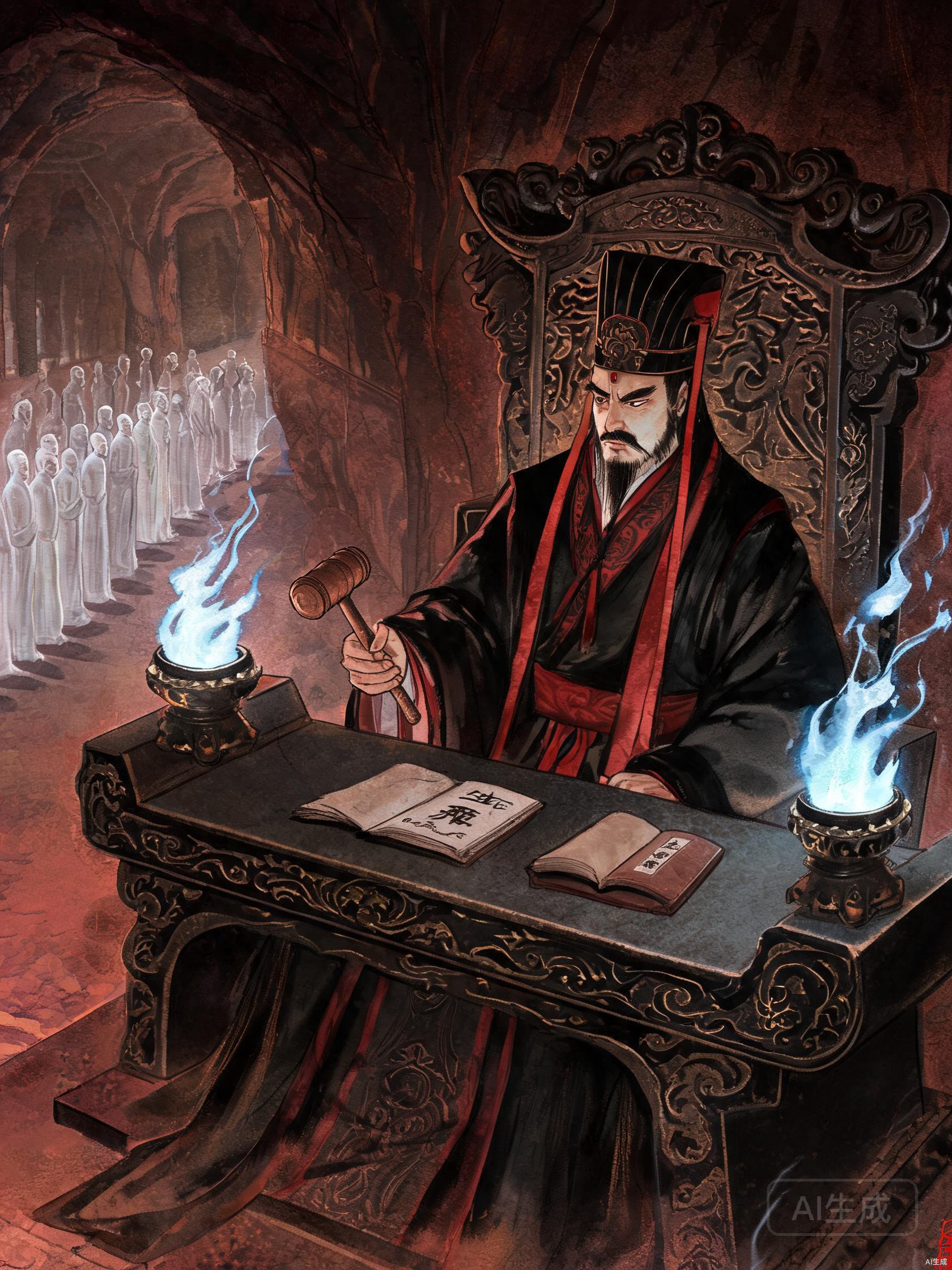
King Yan (Yanluo Wang)
The judge of the dead who presides over the Chinese underworld.
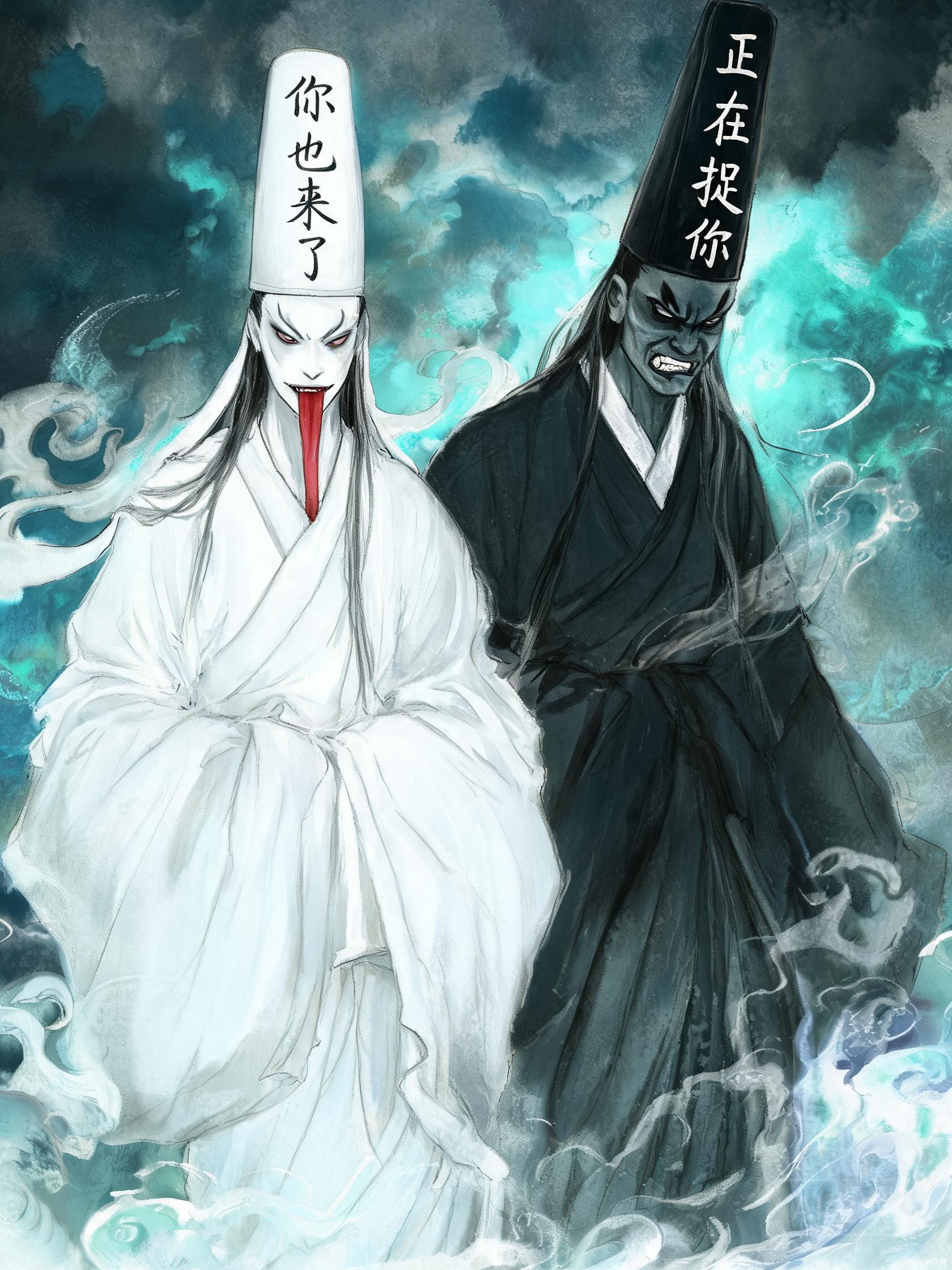
Black and White Impermanence
The two underworld officers who escort the souls of the dead to the afterlife.
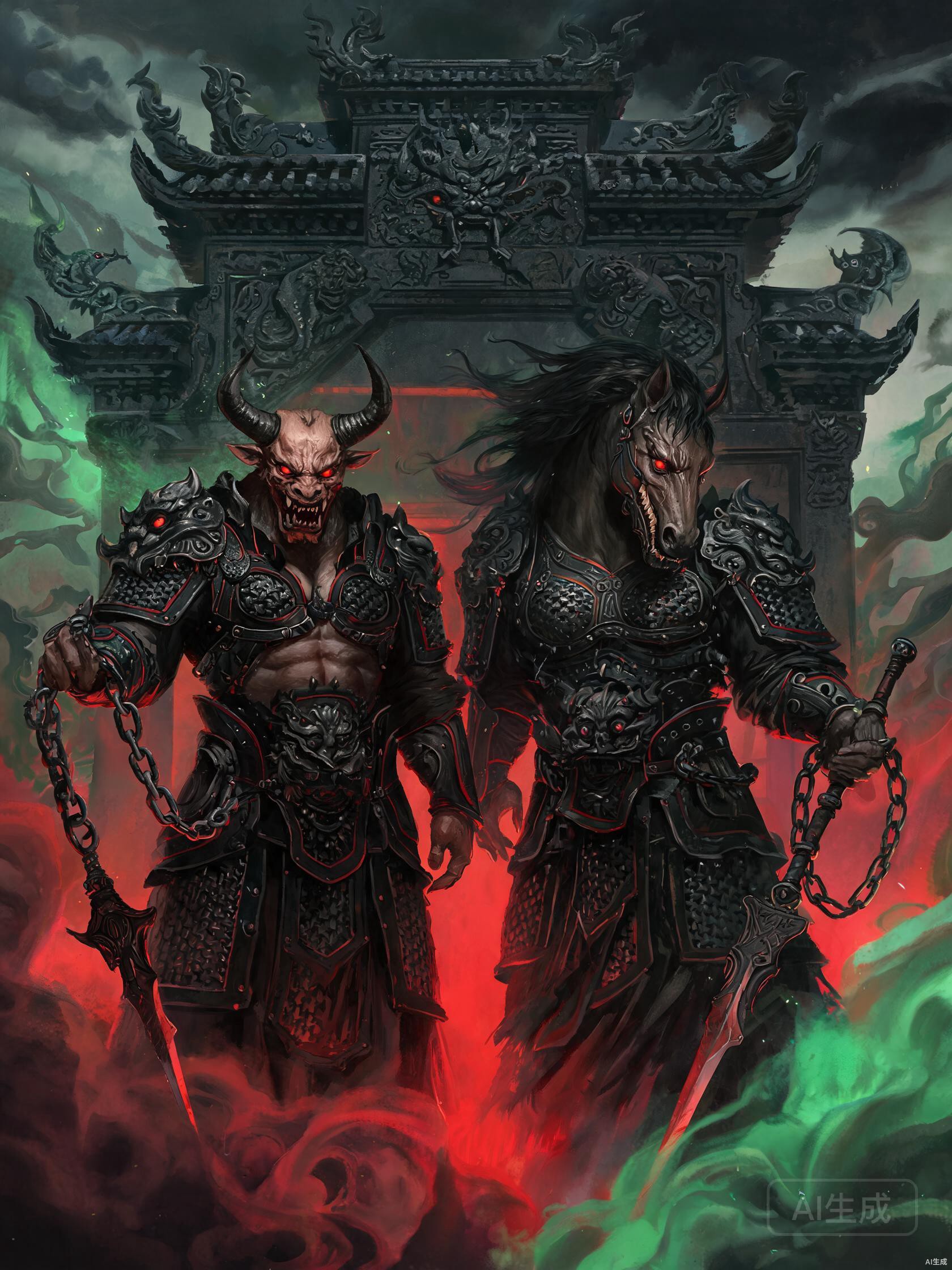
Ox-Head and Horse-Face
The fearsome guardians of the underworld who capture and drag souls to judgment.

Ghost Festival (Zhongyuan)
The month when the gates of the underworld open and spirits roam the earth.