
Tudi Gong - Lord of the Soil and Ground
土地公
The small earth-god of every village — grass-roots guardian of the fields and the home.
Origin Story
Grassroots Saint
Tudi Gong is the lowest-ranking member of the Chinese celestial bureaucracy but in some ways the most beloved. Every village, every neighborhood, every crossroads shrines to a Tudi — not a city god, not a pan-China god, but the small god of the local soil. The deity is sometimes considered a deified mortal of the village, sometimes an aspect of the cosmic earth god.
His image is small — often no more than a stone tablet or a small painted image — and his temple is the smallest kind of sacred space. Yet the Tudi’s birthday is celebrated with incense and offerings in many villages, and his presence is invoked at every important local event.
Tudi Gong (‘Lord of the Soil and Ground’) is the bottom-tier earth deity of Chinese folk religion. Almost every village has a small Tudi shrine at the roadside or at the village entrance. He is the patron of the local soil, the boundary guardian, and the everyman’s saint.
Powers & Symbols
Attributes & Artefacts
Click each card to reveal the details behind Tudi Gong - Lord of the Soil and Ground's divine attributes.
Magical Artifacts & Weapons
Tudi Gong - Lord of the Soil and Ground's Divine Arsenal
The legendary weapons and treasures wielded by Tudi Gong - Lord of the Soil and Ground — each with its own origin story, powers, and mythological significance.
Historical & Cultural Meaning
Beyond the Myth
The Earth God’s Domain
Tudi Gong’s domain is the soil and the immediate neighborhood. He watches over the fields, the wells, the boundary stones, and the graves. Travelers leaving the village would bow to the Tudi shrine at the village entrance, asking for safe passage; those returning would bow in gratitude.
The Tudi also manages the local ghosts — lower than the Chenghuang, the Tudi is the actual administrator of the everyday dead. He reports to the Chenghuang, who reports to King Yan. The bureaucracy of Chinese folk religion is comprehensive; nothing, and no one, escapes the chain of command.
Tudi Po and Family
Tudi is often shown alongside his wife, Tudi Po (‘Lady of the Soil’). The pair are the small domestic patrons of every household’s ground floor — especially the kitchen and the storage room. In some folk pictures, Tudi is shown with his wife and grandchild; in others, with a procession of small local spirits.
The presence of Tudi Po reflects a broader folkloric principle: every male deity has a female counterpart, every cosmological level has its domestic version. Tudi and his wife preside over the most local level: the inside of the home, the doorstep, the piece of ground on which the house stands.
Tudi in Modern China
Although Tudi shrines are less ubiquitous than they once were, they have not disappeared. Many villages still maintain small roadside shrines; in some neighborhoods, old shrines have been restored as local landmarks. Travelers sometimes leave small offerings — a piece of fruit, a coin — as a gesture to the local god.
In cities, the Tudi has migrated indoors — sometimes imaged on the ground floor of office buildings, especially in restaurants and shops. The compact folk-saint works well in contemporary spaces: a small stone or a small picture, with a single stick of incense, can be an unobtrusive partner.
Mythology Network
Connections & Relationships
Tudi Gong - Lord of the Soil and Ground is woven into a larger web of gods, creatures, and legends. Explore the connections below.
Tudi Gong - Lord of the Soil and Ground
土地公

City God (Chenghuang)
The territorial god of a walled city — its mayor, judge, and protector.

Zaoshen - The Kitchen God
The household god who ascends to heaven on New Year’s Eve to report the family’s deeds.
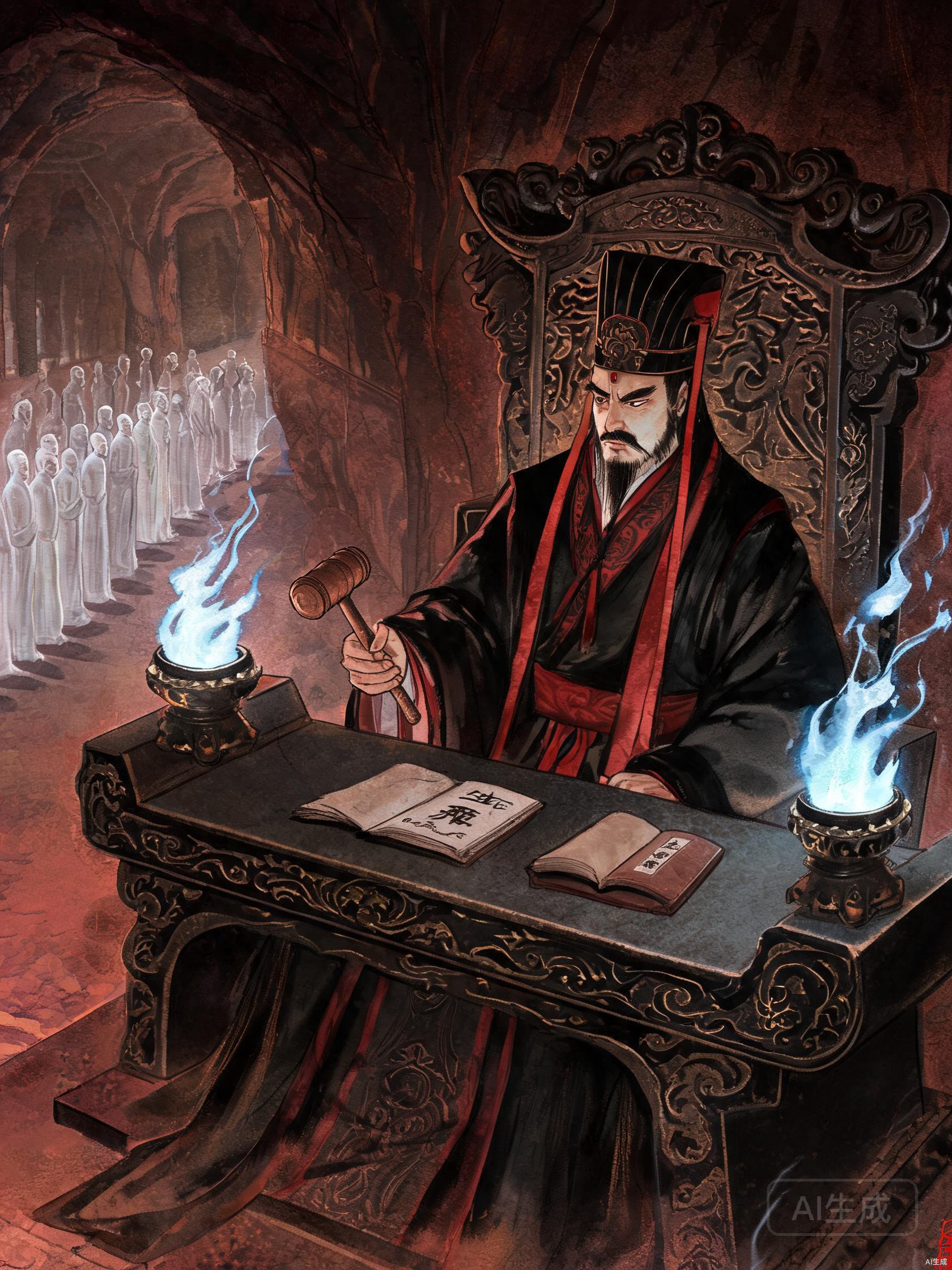
King Yan (Yanluo Wang)
The judge of the dead who presides over the Chinese underworld.
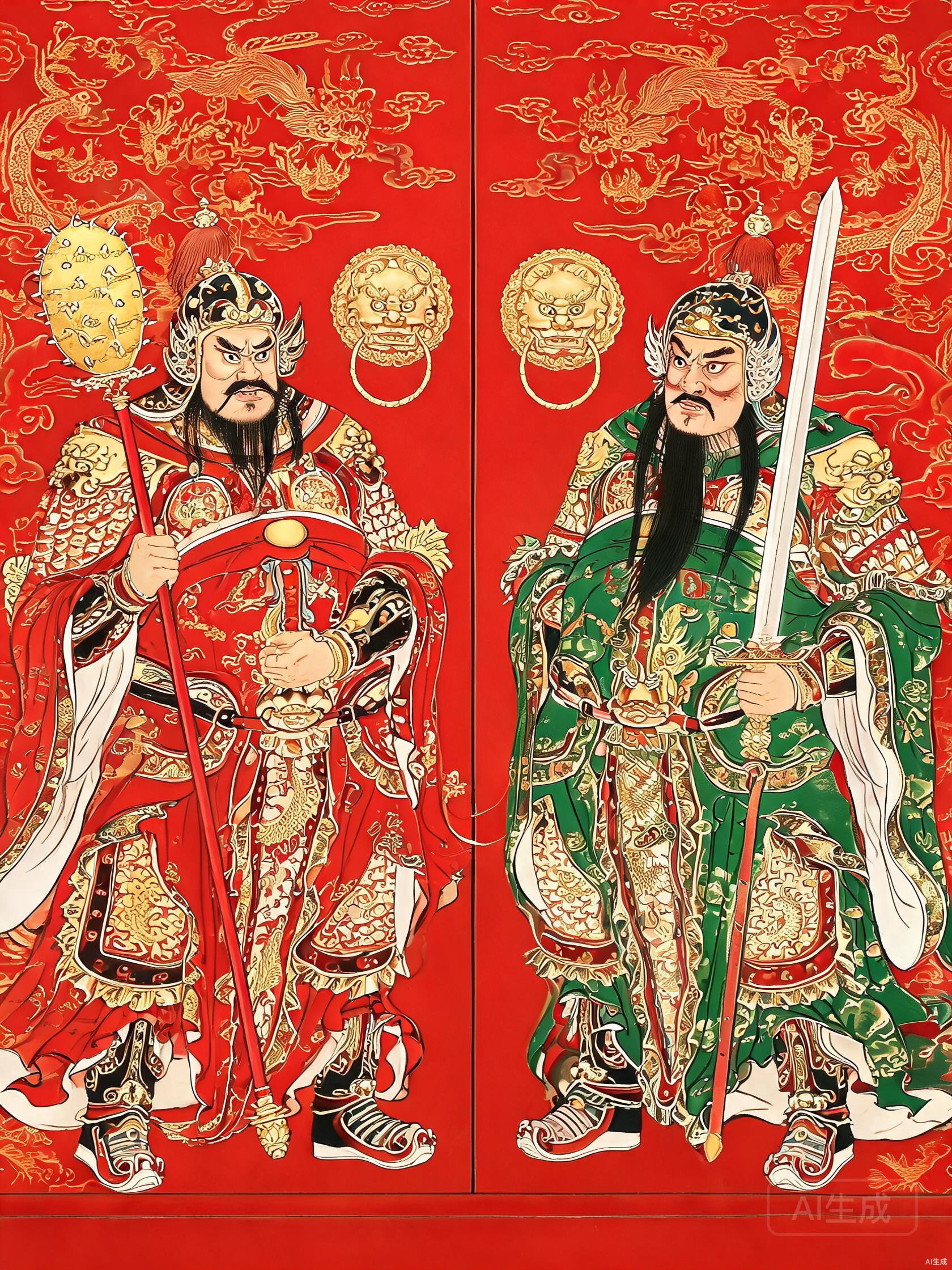
Door Gods (Menshen)
The divine guardians pasted on doorways to protect the household from evil.