
Zaoshen - The Kitchen God
灶王爷
The household god who ascends to heaven on New Year’s Eve to report the family’s deeds.
Origin Story
Who Is Zaoshen?
Zaoshen (literally ‘Stove God’) is the household guardian whose image typically hangs above the kitchen stove or on the kitchen wall. He is sometimes shown as a kind-faced old man with a book and brush; sometimes as a man and his wife together. He watches everything: the children’s quarrels, the wife’s scolding, the husband’s temper, the family’s charitable acts.
In temple traditions, Zaoshen’s origins are mixed. Some texts identify him as a deified official; some as a star god sent to watch over the kitchen; some as a former mortal whose filial acts won him celestial office. The folkloric identity varies by region.
Zaoshen, the Kitchen God, is the small household deity whose image is hung above the kitchen stove. He watches over the family, recording good and bad deeds throughout the year. On the 23rd day of the twelfth lunar month (Xiao Nian, “Little New Year”), he ascends to heaven to make his annual report. The family bribes him with sweet candy so that his report will be sweet too.
Powers & Symbols
Attributes & Artefacts
Click each card to reveal the details behind Zaoshen - The Kitchen God's divine attributes.
Magical Artifacts & Weapons
Zaoshen - The Kitchen God's Divine Arsenal
The legendary weapons and treasures wielded by Zaoshen - The Kitchen God — each with its own origin story, powers, and mythological significance.
Historical & Cultural Meaning
Beyond the Myth
The Ascension Ceremony
On the 23rd day of the twelfth lunar month — Little New Year — the family stages the ascension. The old paper image is taken down, incense and offerings are burned, and a small paper horse is sent up the chimney (in northern traditions) or burned in a brazier (in southern). Zaoshen rides the horse to heaven to make his report.
The bribing is literal: families smear the lips of the Zaoshen image with sweet candy, honey, or sticky rice. The goal is that his mouth be ‘stuck’ and unable to say bad things to the Jade Emperor. The sweet-tooth bribe is a small domestic theology of appeasement.
Return and Renewal
Zaoshen returns on New Year’s Eve, having delivered his report. A new image is hung — typically bought at the New Year market or printed from a woodblock — and incense is lit to welcome him back. The new image is the family’s protection for the coming year.
The renewal is one of the most tactile domestic rituals of the Chinese year. Old images are carefully removed — usually by burning — and replaced. The household’s relationship with the divine is reviewed and renewed in the same gesture.
Modern Status
In modern Chinese homes, the Zaoshen image is increasingly rare. Many urban families have replaced the kitchen shrine with a print of the god of wealth or with nothing at all. The 23rd-day ascent is also fading; candles and sweet candy are still offered in some homes but in many they are simply skipped.
Yet the archetype persists in rural homes and in restaurants, where a Zaoshen image hangs in the kitchen by tradition. Religious departments have worked to keep the custom alive. Special market days on the 23rd sell Zaoshen paper images and ascendance-horse kits.
Mythology Network
Connections & Relationships
Zaoshen - The Kitchen God is woven into a larger web of gods, creatures, and legends. Explore the connections below.
Zaoshen - The Kitchen God
灶王爷
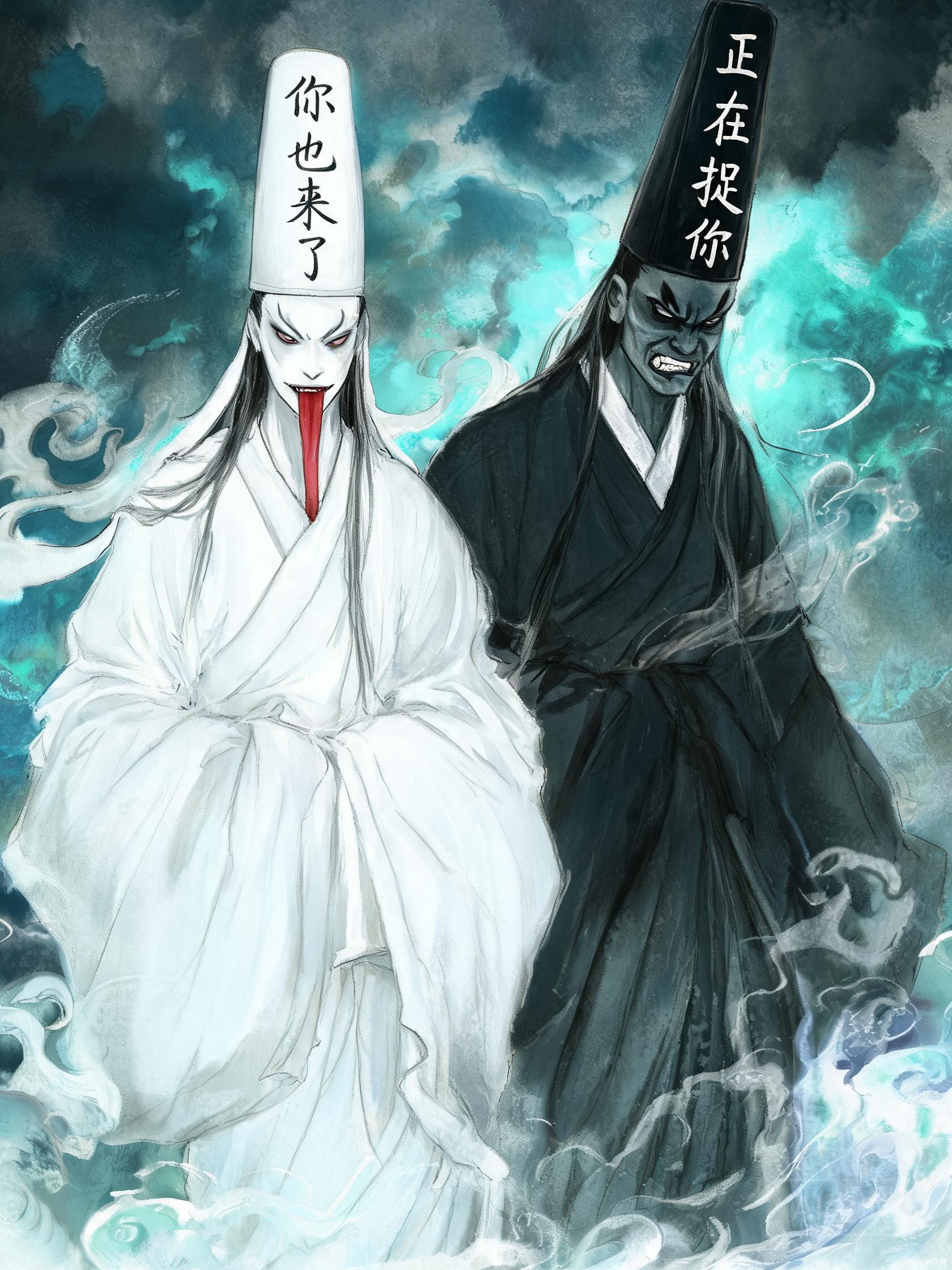
Black and White Impermanence
The two underworld officers who escort the souls of the dead to the afterlife.
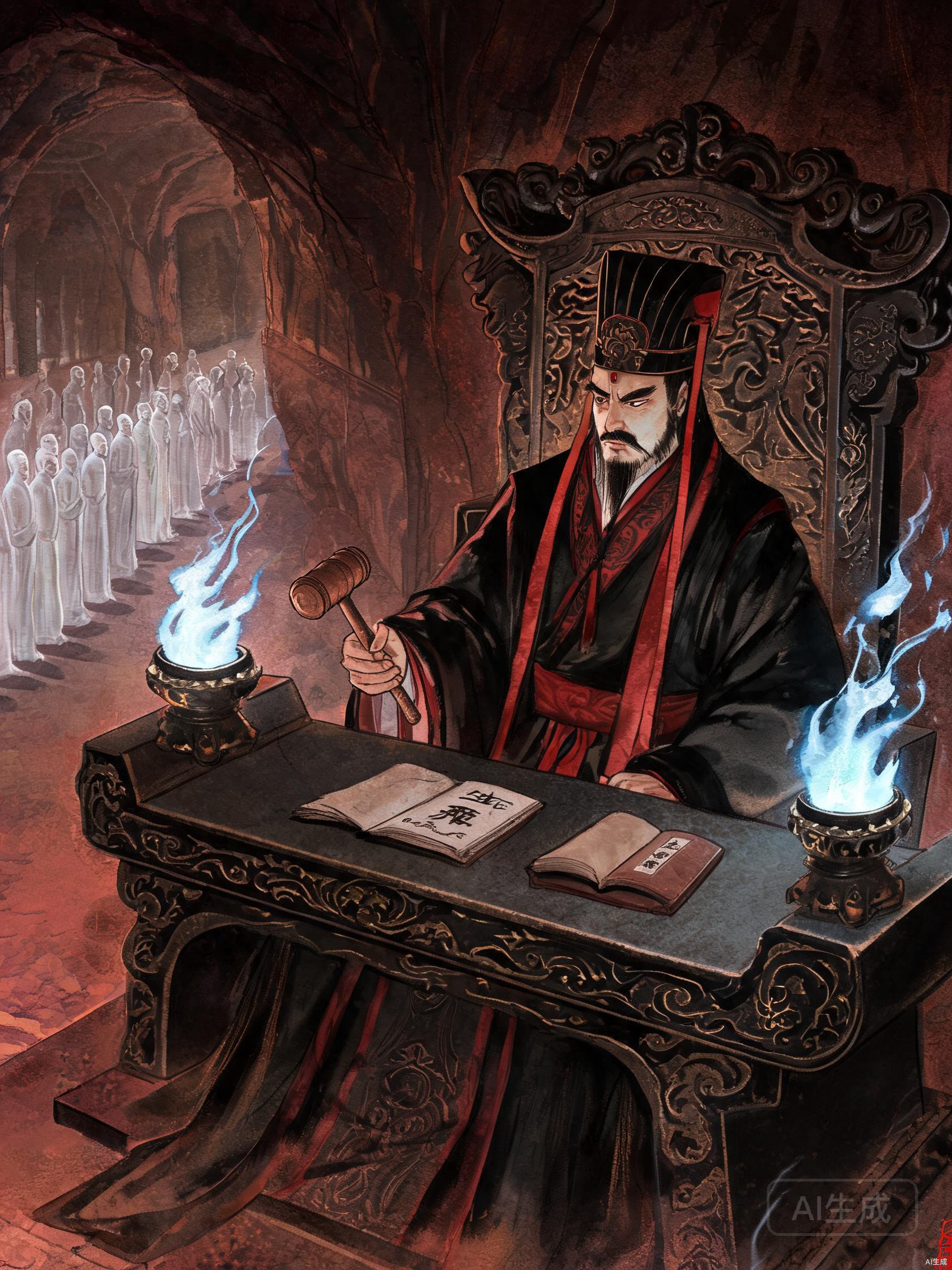
King Yan (Yanluo Wang)
The judge of the dead who presides over the Chinese underworld.
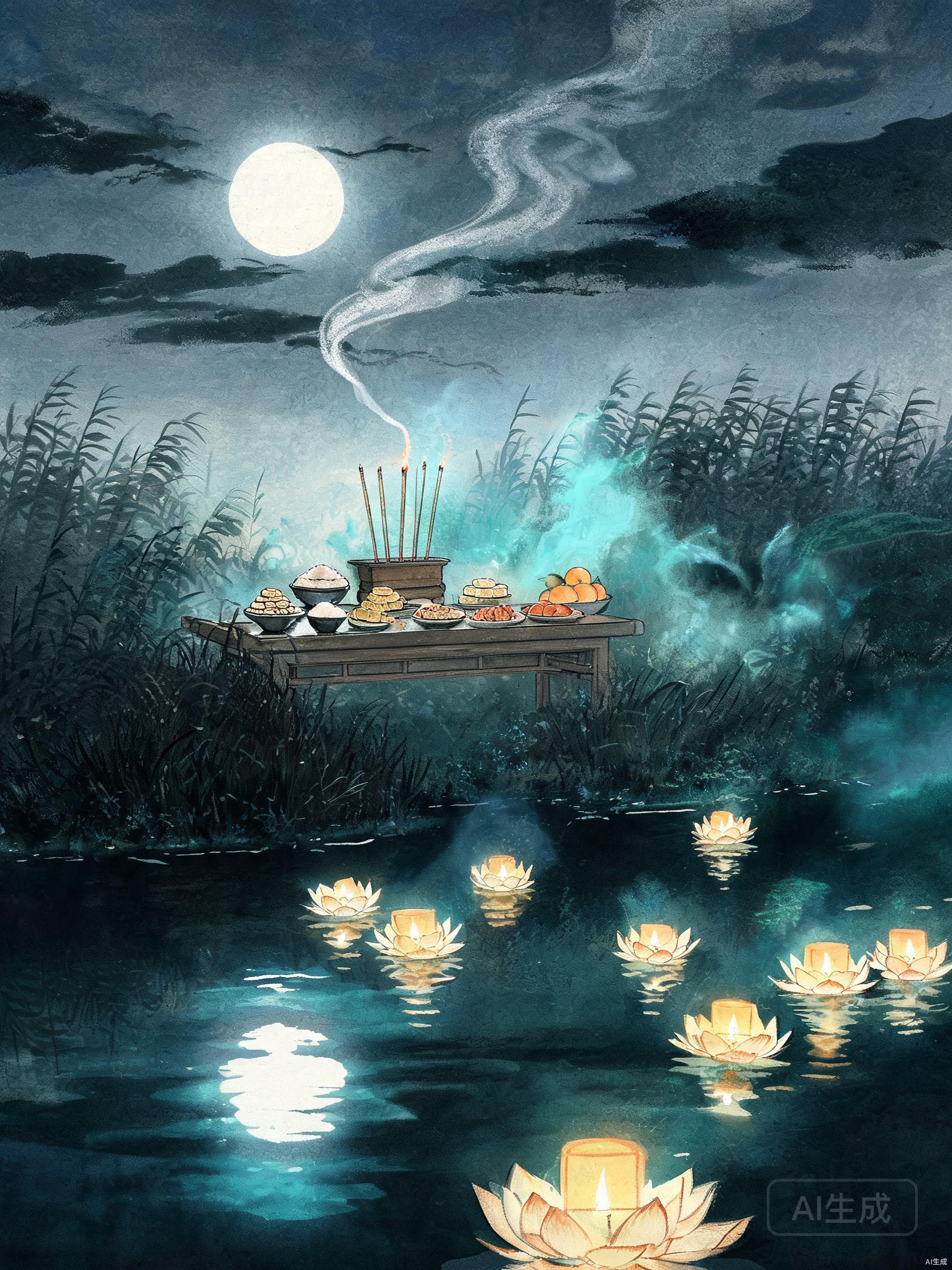
Ghost Festival (Zhongyuan)
The month when the gates of the underworld open and spirits roam the earth.
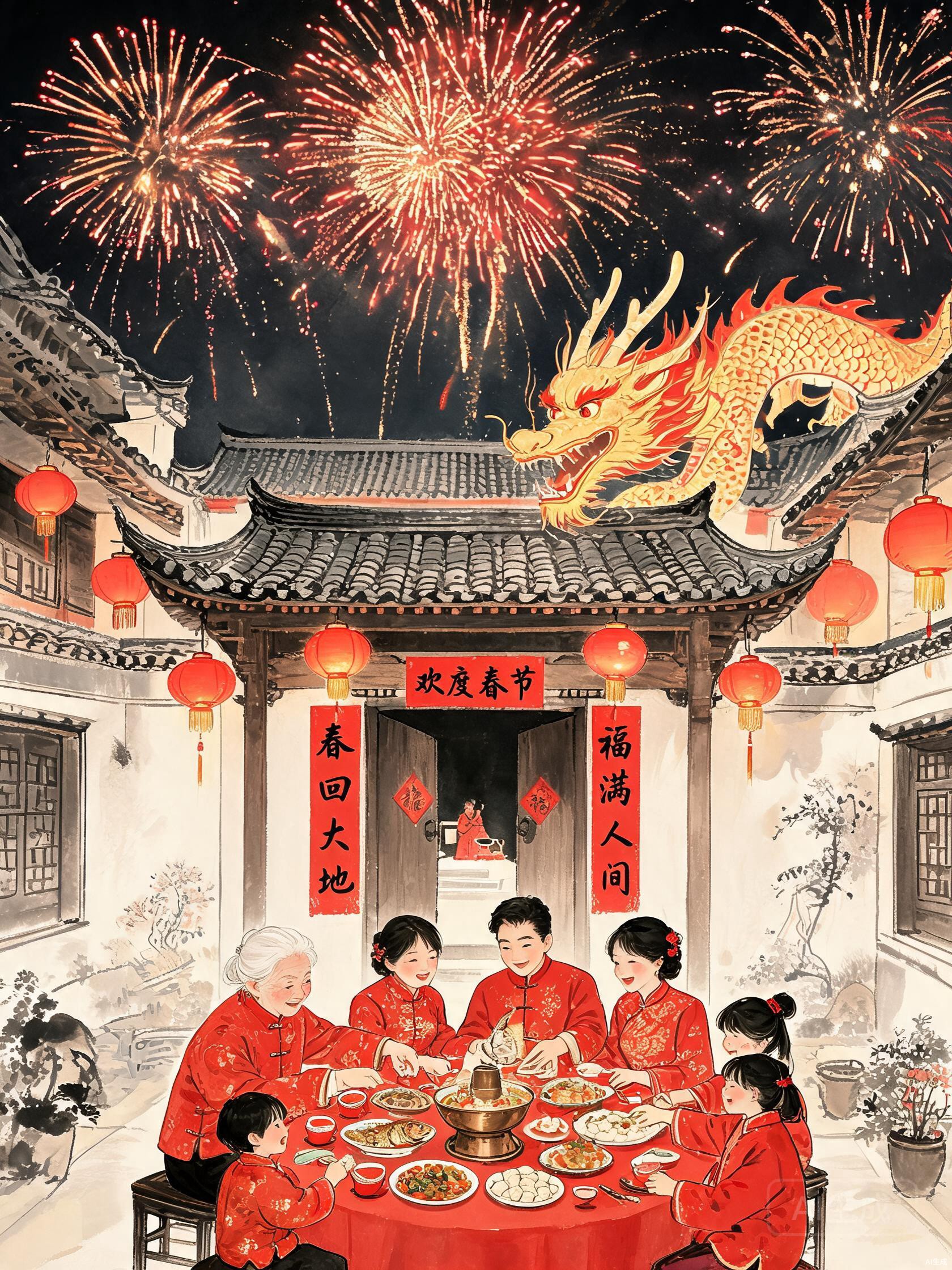
Spring Festival (Lunar New Year)
The most important festival in Chinese culture, celebrating the turning of the lunar year.