Bat Symbolism
蝙蝠
The humble bat — harbinger of good fortune, happiness, and longevity in Chinese symbolism.
Origin Story
The Word That Made the Bat Auspicious
The bat's transformation from a nocturnal creature to one of China's most beloved symbols rests entirely on a linguistic coincidence. In Mandarin, the word for bat (蝠, fú) is a homophone of the word for fortune, blessing, and happiness (福, fú). This single phonetic overlap elevated the bat from an ordinary animal to a sacred emblem that appears in virtually every form of Chinese decorative art.
The character 福 (fú) is one of the most important characters in the Chinese cultural vocabulary. It appears on door plaques during Spring Festival, is woven into clothing, and is the subject of countless idioms and blessings. By sharing this sound, the bat became a visual shorthand for everything 福 represents — divine favor, material prosperity, good health, long life, and a peaceful death. No other culture has so thoroughly transformed a creature through the power of language alone.
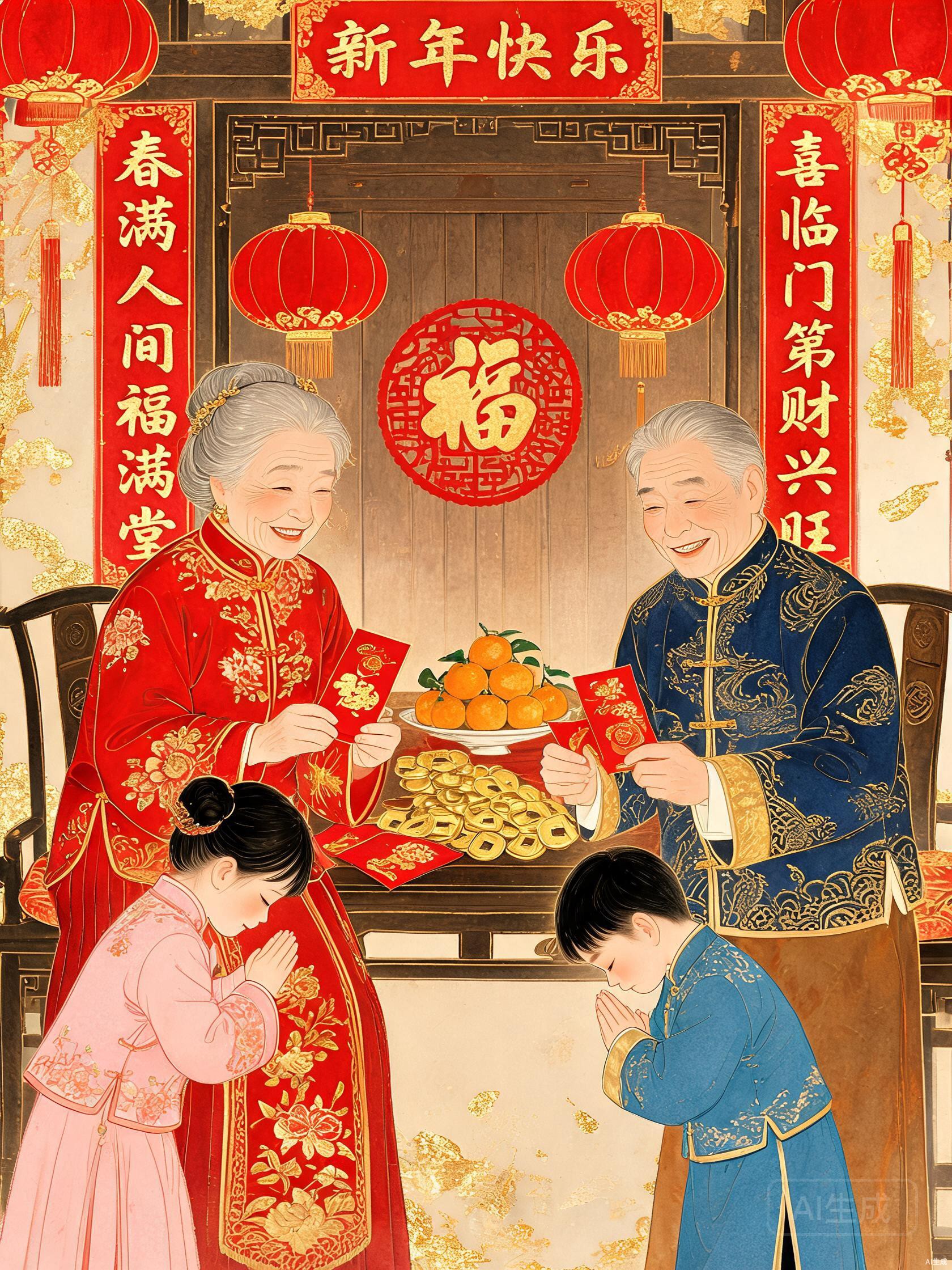
Five bats circling the character for longevity — the Five Blessings in visual form
In Chinese culture, the bat (蝙蝠, Biānfú) is one of the most powerful auspicious symbols because its name sounds identical to the word for 'fortune' or 'blessing' (福, fú). Through this linguistic pun, the bat became a ubiquitous emblem of good luck, appearing in art, architecture, furniture, and textiles throughout Chinese history.
Powers & Symbols
Attributes & Artefacts
Click each card to reveal the details behind Bat Symbolism's divine attributes.
Historical & Cultural Meaning
Beyond the Myth
The Five Bats and the Five Blessings
The most famous bat motif is the Five Bats (五蝠, wǔ fú), which represents the Five Blessings (五福, wǔ fú). These five blessings, drawn from the Book of Documents (尚书), one of China's oldest texts, are: longevity (寿), wealth (富), health and tranquility (康宁), virtue and moral integrity (攸好德), and a natural death at the end of a full life (考终命). Together, they constitute the complete vision of a blessed human life.
In art, five bats are often arranged in a circle around the character 寿 (longevity) or the character 福 (fortune), creating a visual emblem of all-encompassing blessing. This motif appears on porcelain plates, embroidered silk, wooden furniture, and architectural decorations. A single bat represents one blessing; two bats represent double happiness; and five bats represent the fullness of fortune. The circular arrangement echoes the shape of coins, adding an additional layer of wealth symbolism.
Another common motif is the bat holding a coin in its mouth, or bats flying among clouds. The cloud (云, yún) sounds like 'fortune' (运) in some dialects, doubling the auspicious meaning. Bats depicted upside down are a visual pun — 'fortune has arrived' (福到了, fú dào le), because the Chinese word for 'upside down' (倒, dào) sounds like 'arrived' (到, dào). This is the same pun that makes the character 福 appear upside down on Spring Festival door plaques.
The Bat in Art and Architecture
Bat motifs are found across the full spectrum of Chinese material culture. On furniture, carved bats adorn the aprons of tables, the backs of chairs, and the panels of cabinets. On porcelain, bats are painted in iron-red enamel against white backgrounds, or in underglaze blue amid clouds and peaches. On silk robes, bats are woven in gold thread for the emperor's garments and in red for festive occasions.
In architecture, bat shapes appear on roof tiles, door frames, window grilles, and bridge railings. The bat's wings, with their natural curve and scalloped edges, were easily stylized into decorative borders and repeating patterns. The Forbidden City contains numerous bat motifs in its carved wooden panels and painted ceiling beams, each one a silent prayer for imperial fortune.
Bats are also common in folk paper-cutting (剪纸, jiǎnzhǐ), the traditional art of cutting patterns from red paper for window decorations. During Spring Festival, red paper bats are pasted on windows and doors alongside the character 福, ensuring that fortune enters the home from every direction.
The Bat Beyond China
The Chinese reverence for the bat stands in stark contrast to Western associations of the bat with darkness, vampires, and death. This difference highlights how culture shapes perception — the same creature is a harbinger of joy in one civilization and a symbol of dread in another. Chinese immigrants carried bat symbolism to Chinatowns worldwide, where red bat motifs still adorn restaurant entrances, shop signs, and festival decorations.
In modern China, the bat symbol persists, though its visibility has fluctuated. Traditional crafts — embroidery, paper-cutting, wood carving — continue to use the motif. The bat remains a popular design element on wedding gifts, where paired bats represent double happiness, and on birthday gifts, where bats and peaches together bless the recipient with fortune and long life.
Mythology Network
Connections & Relationships
Bat Symbolism is woven into a larger web of gods, creatures, and legends. Explore the connections below.
Bat Symbolism
蝙蝠