
Chinese Paper Cutting
剪纸
The folk art whose red paper carries blessings — the visible heart of Chinese New Year.
Origin Story
Cut and Unfold
Paper cutting is one of the simplest folk arts and one of the most expressive. A square of red paper is folded along one or more axes — sometimes 2, 4, 8, or even 12 folds — and then cut with scissors or a knife. When unfolded, the symmetric pattern appears: a flower, an animal, a character, or a word.
The art has historically been the province of women in northern Chinese villages, who would sit together at New Year and produce dozens of cuttings to decorate every window and door. The cuttings hang against the red paper of spring couplets; together they constitute the visible color of New Year.
Chinese paper cutting is the folk art of folding and snipping red paper into symmetric patterns of blessing. At weddings, New Year, and births, paper cuttings hang in windows and doors. Each pattern carries meaning: fish for abundance, peaches for longevity, pomegranates for fertility, lotus for purity.
Powers & Symbols
Attributes & Artefacts
Click each card to reveal the details behind Chinese Paper Cutting's divine attributes.
Magical Artifacts & Weapons
Chinese Paper Cutting's Divine Arsenal
The legendary weapons and treasures wielded by Chinese Paper Cutting — each with its own origin story, powers, and mythological significance.
Historical & Cultural Meaning
Beyond the Myth
Motifs and Meanings
Each motif has its meaning. The fish (yu) carries abundance, and is often paired with the character for ‘surplus’ to mean ‘abundance upon abundance.’ The peach (tao) carries longevity. The pomegranate, splitting open, carries many children. The lotus, opening its petals, carries purity. The butterfly, doubled, carries love and marriage.
Wedding cuttings always contain at least one ‘double happiness’ (xi) character, surrounded by phoenix, dragon, or lotus patterns. New Year cuttings feature zodiac animals, the nian beast, and the god of wealth. Birth cuttings feature long-lived peaches and protective tigers.
Regional Schools
Three regional schools dominate. The northern style — from Shanxi, Shaanxi, Hebei — is bold, dense, and almost abstract; the cuttings are large and strong, designed to fill windows with bold silhouettes. The southern style — from Guangdong, Fujian — is delicate, fine, almost lace-like; the cuttings are small and intricate, often made with a knife rather than scissors.
The third school — from Zhejiang and Jiangsu — is the most refined, including figures and scenes as well as abstract patterns. Modern cutting artists blend all three styles; competition pieces often borrow across regions.
Modern Paper Cutting
After being inscribed on UNESCO’s Representative List of the Intangible Cultural Heritage of Humanity in 2009, paper cutting has experienced a revival. New practitioners blend traditional patterns with modern designs; paper cutting has been used in advertising, fashion, and political propaganda.
In China today, one of the easiest ways to begin with the folk arts is to buy a paper cutting. They are sold in New Year markets, in tourist shops, and online. Many of the best pieces still come from the northern villages — a reminder that the simplest arts often have the deepest roots.
Mythology Network
Connections & Relationships
Chinese Paper Cutting is woven into a larger web of gods, creatures, and legends. Explore the connections below.
Chinese Paper Cutting
剪纸
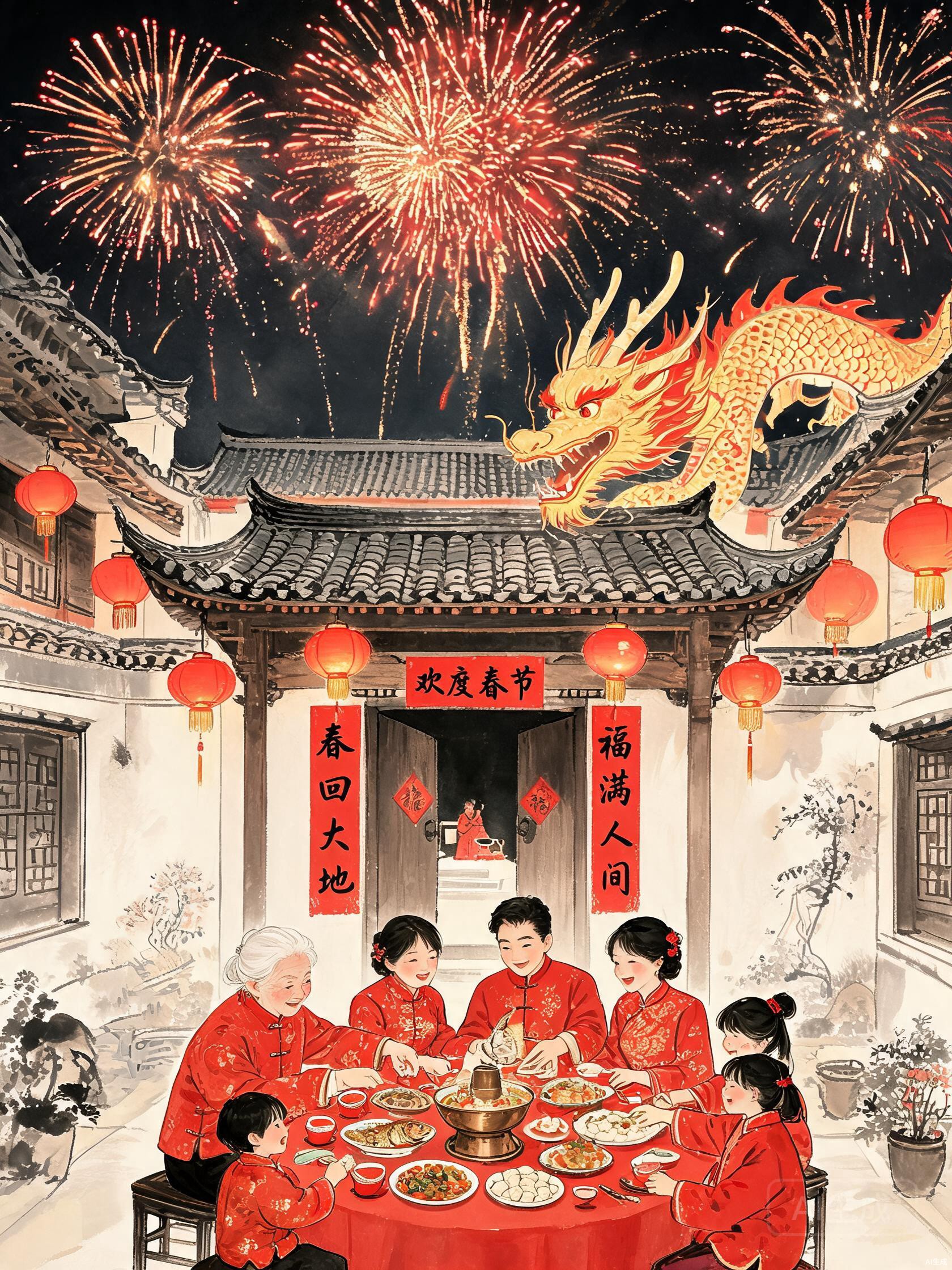
Spring Festival (Lunar New Year)
The most important festival in Chinese culture, celebrating the turning of the lunar year.

Auspicious Clouds
The curling cloud motif that brings heaven’s blessing — the most ubiquitous decoration in Chinese art.
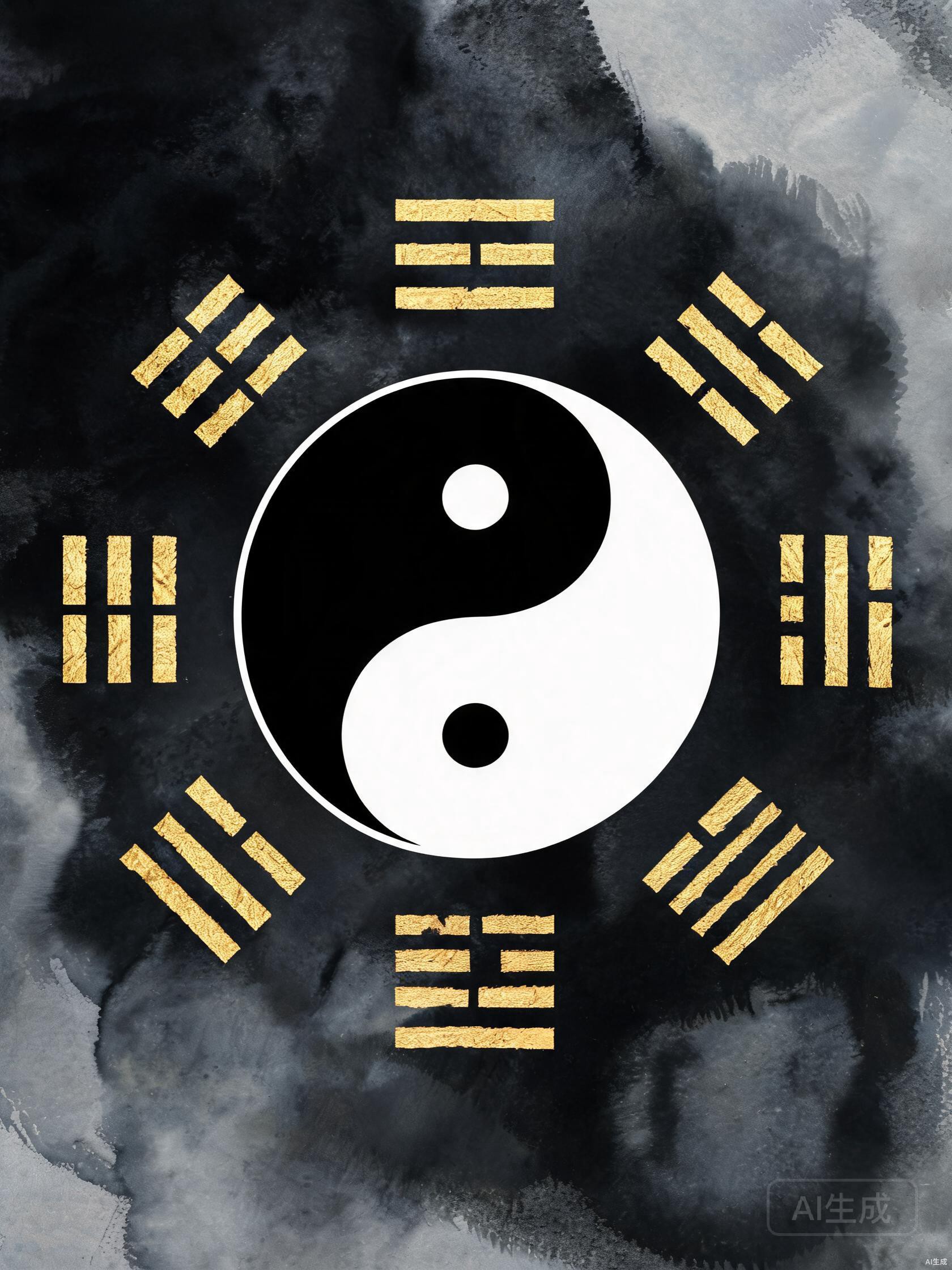
Bagua (Eight Trigrams)
The eight trigrams that encode the fundamental patterns of reality — the universe in eight symbols.
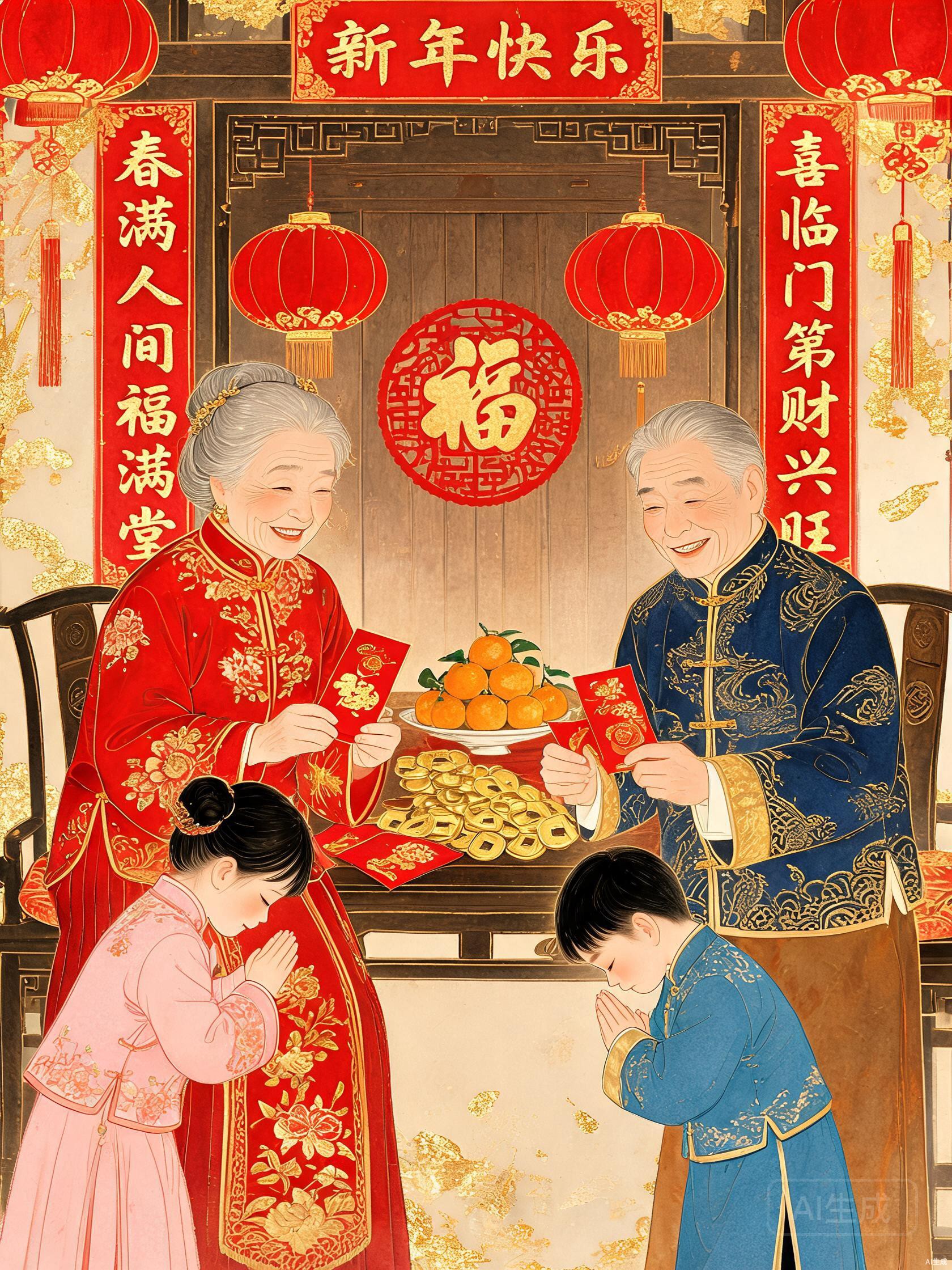
Red Envelopes (Hongbao)
The gift of red envelopes that carries blessings, luck, and the power to suppress evil.