Zhang Guolao
张果老
The oldest of the Eight Immortals, who rides a paper mule backward and plays the fish drum.
Origin Story
Who Is Zhang Guolao?
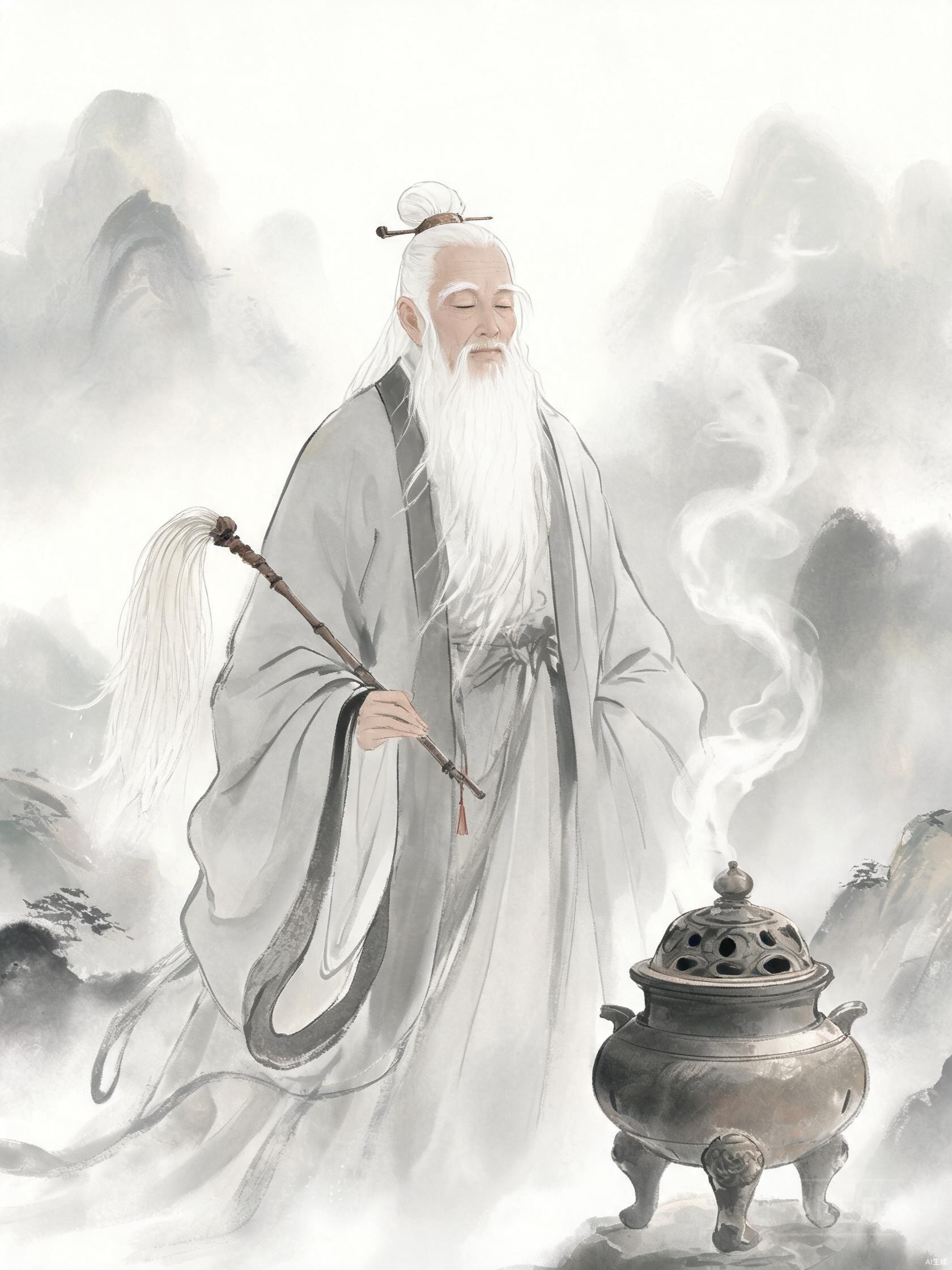
Zhang Guolao, whose name means 'Old Master Zhang' and whose personal name was simply Zhang Guo (张果), is one of the most historically grounded of the Eight Immortals. He was a real person — a Taoist hermit who lived during the Tang Dynasty, associated with the Zhongtiao Mountains in Shanxi Province. Historical records from the Tang court mention him as a recluse of extraordinary age, claiming to be centuries old, who was summoned to the imperial court by both Empress Wu Zetian and Emperor Xuanzong.
Zhang Guolao's claim to extreme age is central to his legend. He is said to have been already old when the Tang Dynasty was founded, and to have lived through multiple reigns without visibly aging. When asked his age, he would give different answers at different times — sometimes claiming to be several hundred years old, sometimes deflecting the question entirely. His true age, like everything else about him, was a mystery he enjoyed maintaining. The word 'lao' (老, old) in his name is not merely a description but a title — he is the immortal of old age itself, the patron of those who have lived long and seen much.
His most famous attribute is his mount: a white mule that he rides backward. This mule is no ordinary animal — it can travel thousands of miles in a day, and when Zhang Guolao dismounts, he folds the mule like a piece of paper and stores it in a bamboo tube or a box. When he needs to ride again, he takes the paper from the tube, sprinkles water on it, and the mule springs back to life, full-sized and ready to travel. This miraculous mount is one of the most beloved images in Chinese folk art, appearing on paintings, paper cuts, and temple murals throughout the country.

Zhang Guolao's paper mule — like the kunpeng, a creature that defies natural law
Zhang Guolao (Master Zhang Guo) is the eldest of the Eight Immortals in legend, a Tang Dynasty hermit of extraordinary age who rode a white mule that could be folded like paper and stored in a box. Famous for tricking emperors and defying death, he carries a fish drum (a bamboo tube with two beads) and represents the wisdom of extreme old age and the humor of the sage who has seen everything.
Powers & Symbols
Attributes & Artefacts
Click each card to reveal the details behind Zhang Guolao's divine attributes.
Historical & Cultural Meaning
Beyond the Myth
Tricking the Empress and the Emperor
The most famous stories about Zhang Guolao involve his encounters with the rulers of the Tang Dynasty. Empress Wu Zetian, the only woman to rule China in her own right, heard of the ancient hermit and summoned him to court. Zhang Guolao had no desire to go. Instead of traveling to the capital, he staged his own death — he lay by the side of the road, his body bloated and infested with maggots. When the imperial messengers found what they thought was his corpse, they returned to the empress and reported that the hermit was dead. The moment they left, Zhang Guolao sat up, brushed off the maggots, and walked away laughing. He had escaped the empress's summons with the oldest trick of the sage: appearing to be what one is not.
Years later, Emperor Xuanzong, one of the greatest Tang emperors, also summoned Zhang Guolao. This time, the old hermit agreed to come — perhaps because he respected this emperor, or perhaps because he had a lesson to teach. At court, Xuanzong was fascinated by the ancient man and asked him many questions about the secrets of immortality. Zhang Guolao refused to give direct answers, speaking in riddles and jokes that exasperated the court officials but delighted the emperor.
In one famous episode, Emperor Xuanzong ordered a Taoist priest to test whether Zhang Guolao was truly immortal. The priest performed a divination and announced that Zhang Guolao's fate was to die young — that he had no 'soul' in the traditional sense. Zhang Guolao smiled, lay down, and his body began to decay. The emperor was horrified, but when the coffin was opened three days later, it was empty. Zhang Guolao appeared at court the next morning, hale and hearty, as if nothing had happened. He had demonstrated that the rules of fate, divination, and mortality did not apply to him — and that the wisdom of the court was nothing compared to the wisdom of the mountain.
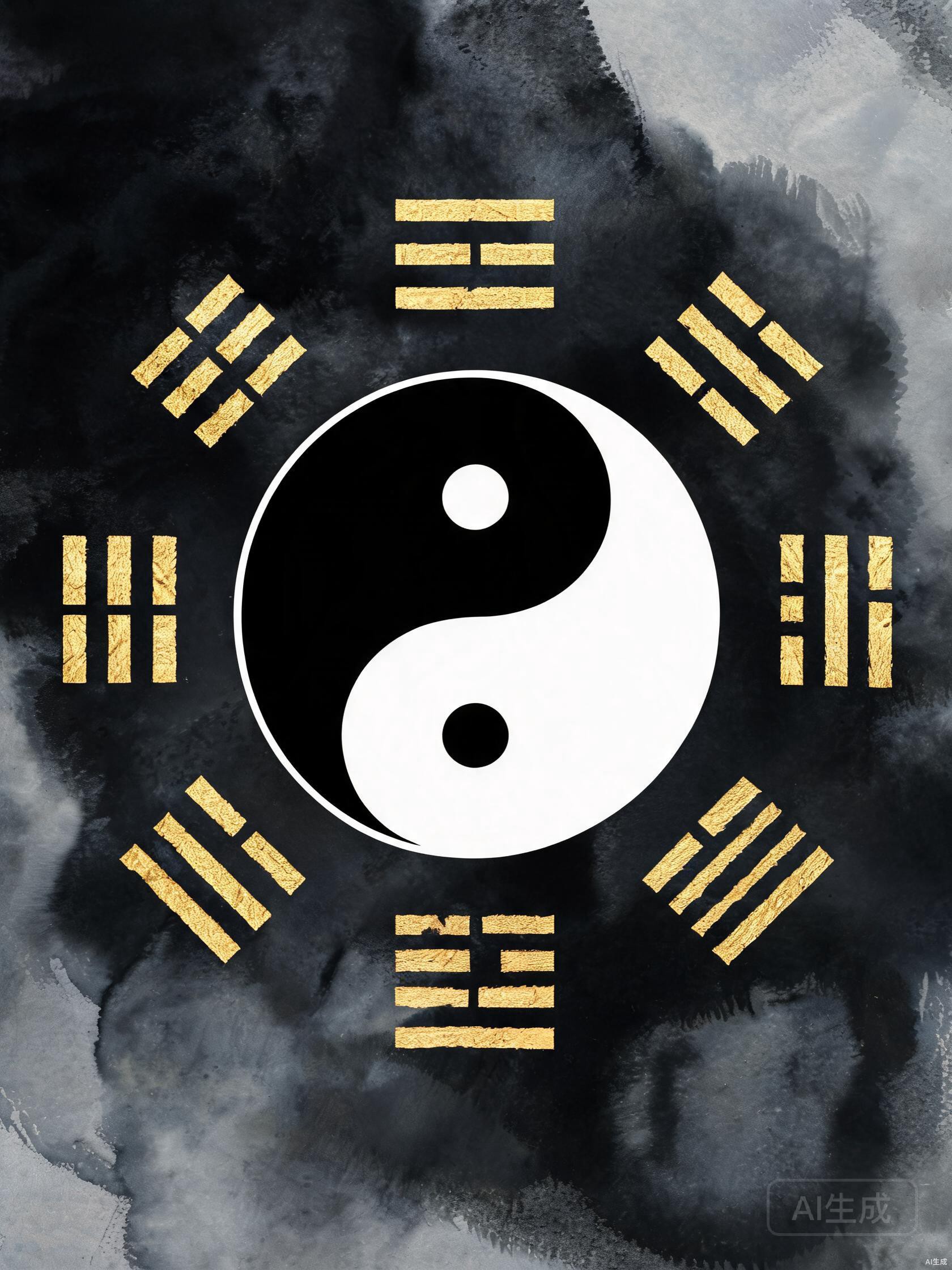
The bagua — the cosmic patterns that Zhang Guolao could sidestep at will
The Fish Drum and the Backward Mule
Zhang Guolao's other signature item is the fish drum (渔鼓, yúgǔ) — a bamboo tube about three feet long, covered at one end with snakeskin or fish skin, and played with two beads on a string. When struck, it produces a hollow, rhythmic sound that carries for great distances. The fish drum is an ancient folk instrument, used by Taoist mendicants to accompany their chanting and storytelling. By carrying it, Zhang Guolao identifies himself with the wandering Taoist preachers who traveled from village to village, singing the Tao to anyone who would listen.
The image of Zhang Guolao riding his mule backward is one of the most philosophically rich images in all of Chinese mythology. Why backward? One interpretation is practical: an old man riding backward can lean against the mule's hindquarters, resting his back. But the deeper meaning is philosophical. To ride backward is to face where you have been, not where you are going — to look at the past, not the future. This is the perspective of the sage who has lived so long that the future holds no surprises and the past holds all the lessons. It also inverts the normal orientation of travel: while others rush forward toward their destinations, Zhang Guolao ambles backward, arriving exactly where he needs to be, but in no hurry to get there.
In folk worship, Zhang Guolao is the patron of the elderly, of those who seek longevity, and of all who value humor and wisdom over power and ambition. His image — the white-bearded old man on the backward mule, beating his fish drum — is instantly recognizable in Chinese art, and his stories are still told to children as lessons in the value of age, experience, and the quiet defiance of those who have seen enough of the world to find it funny.
Mythology Network
Connections & Relationships
Zhang Guolao is woven into a larger web of gods, creatures, and legends. Explore the connections below.
Zhang Guolao
张果老