Dongzhi
冬至
The Winter Solstice festival — the shortest day, the return of yang, and the promise of spring.
Origin Story
What Is Dongzhi?
Dongzhi (冬至), the Winter Solstice, falls on or around December 22nd, the shortest day and longest night of the year in the northern hemisphere. It is one of the twenty-four solar terms (二十四节气) in the traditional Chinese calendar, and one of the four most important festivals in Chinese culture, alongside Spring Festival, Qingming, and Mid-Autumn. The name 'Dongzhi' means 'the extreme of winter' — the moment when the cold reaches its peak and the darkness is at its deepest.
But the festival's meaning is not about the cold or the dark; it is about their reversal. In the yin-yang philosophy that underlies all of Chinese cosmology, Dongzhi is the moment when yin (darkness, cold, passivity) reaches its absolute maximum — and from that maximum, yang (light, warmth, activity) begins its return. The darkest day is therefore the most hopeful day: from this point forward, the days grow longer, the sun grows stronger, and the world moves toward spring. Dongzhi is the festival of the turning point — the celebration of the promise that no darkness lasts forever.
During the Han Dynasty (206 BCE – 220 CE), Dongzhi was established as an official festival. The emperor would conduct elaborate rituals to welcome the return of yang, and officials were given leave to visit their families. The festival was, in its original form, a New Year celebration — the moment when the old year (associated with yin) ended and the new year (associated with yang) began. Even after the calendar was reformed and the lunar New Year (Spring Festival) became the official start of the year, Dongzhi retained its importance as a second New Year — which is why the saying 'Dongzhi is as great as the New Year' persists to this day.
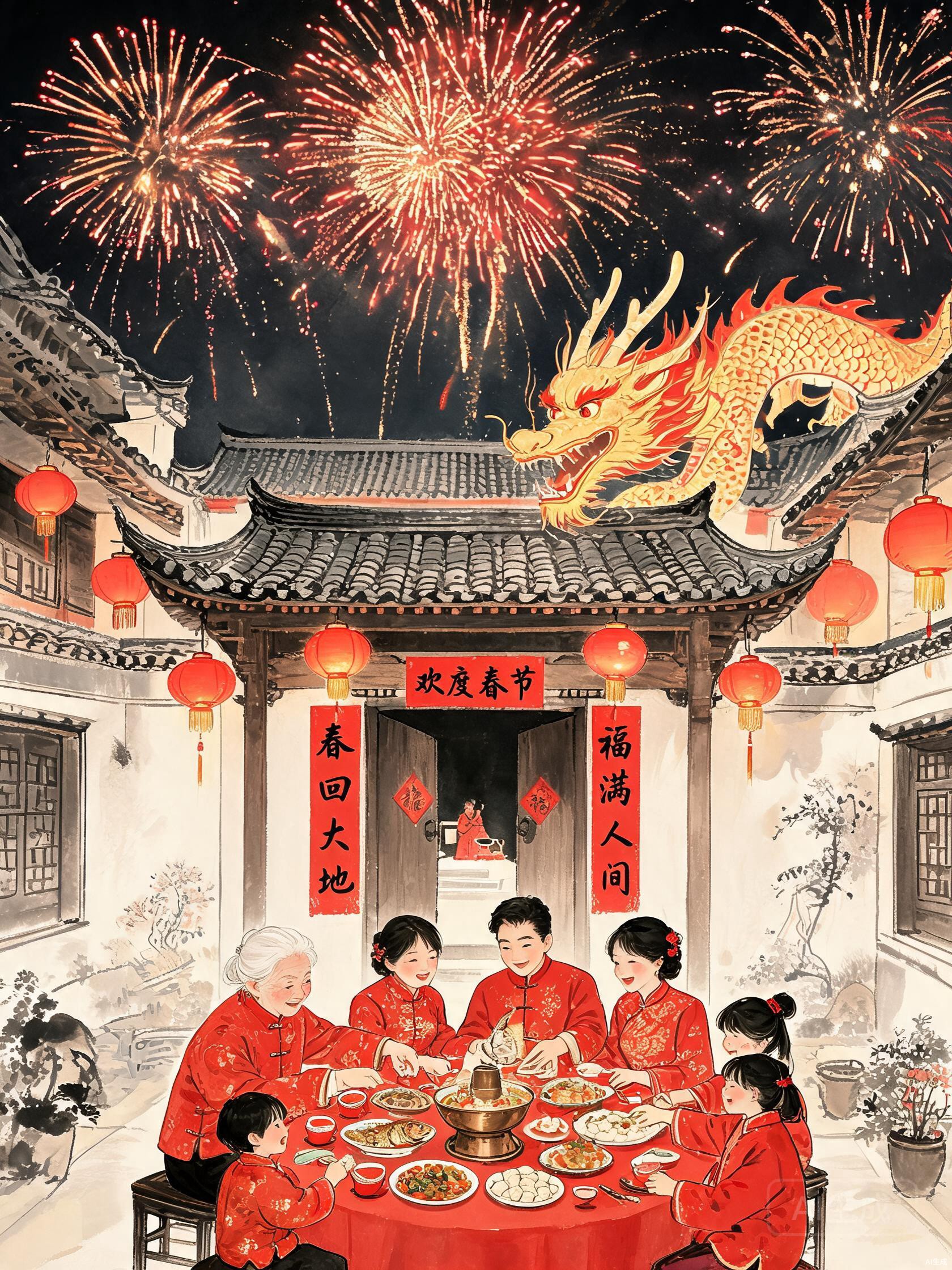
Dongzhi and Spring Festival — the two 'New Years' of the Chinese calendar
Dongzhi (冬至, Winter Solstice) is one of the most important traditional Chinese festivals, observed on the shortest day of the year. Rooted in the yin-yang philosophy of the Han Dynasty, Dongzhi celebrates the turning point when the darkness begins to yield and the light of yang begins its return. Families gather to eat tangyuan (sweet rice balls) in the south and dumplings (jiaozi) in the north. The saying goes: 'Dongzhi is as great as the New Year' (冬至大如年).
Powers & Symbols
Attributes & Artefacts
Click each card to reveal the details behind Dongzhi's divine attributes.
Historical & Cultural Meaning
Beyond the Myth
Tangyuan and Jiaozi
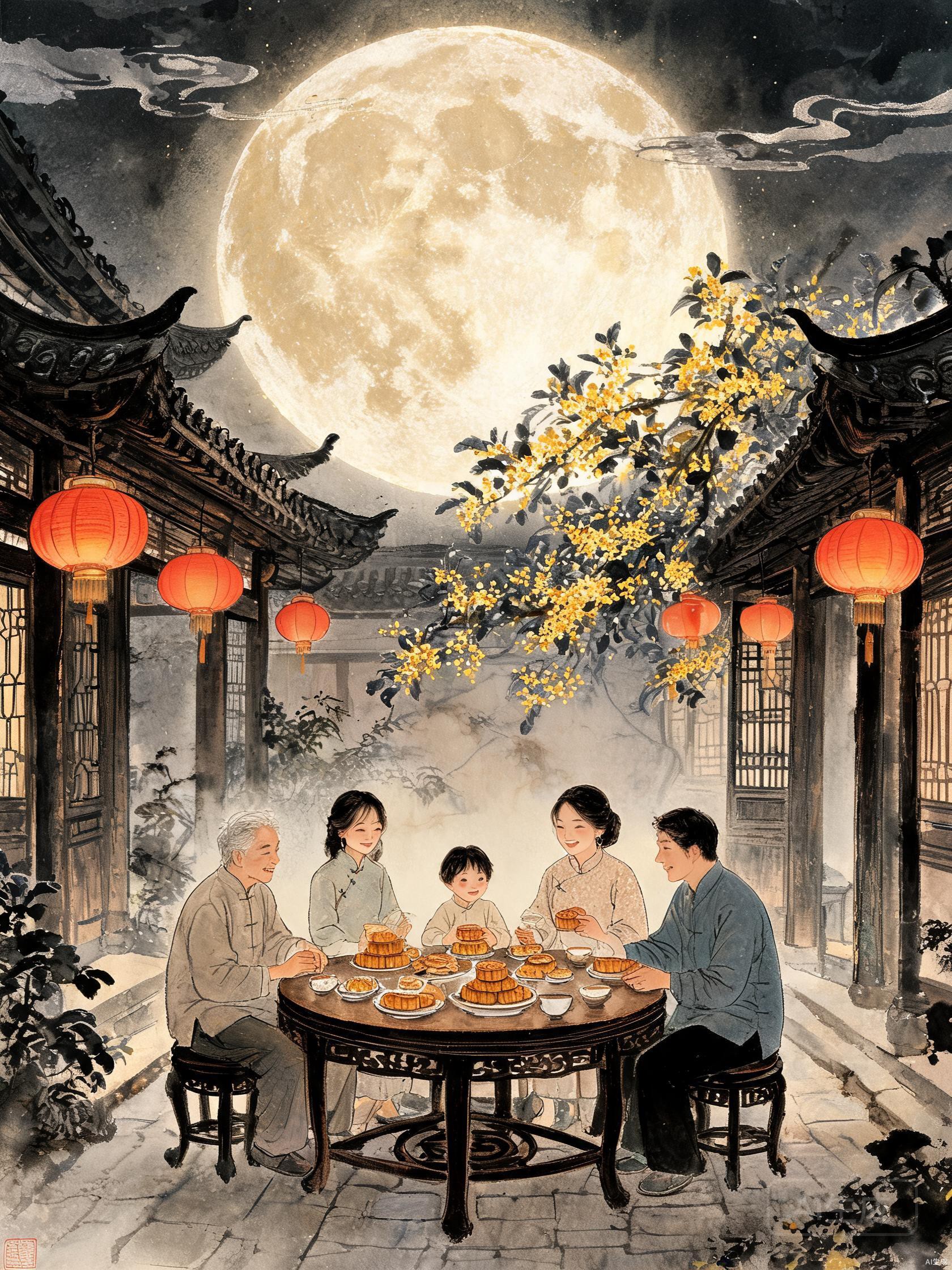
The food traditions of Dongzhi are regionally distinct and symbolically rich. In southern China, families eat tangyuan (汤圆) — glutinous rice balls filled with sweet sesame, red bean, or peanut paste, served in a warm syrup. The roundness of the tangyuan represents completeness and reunion: the family gathered whole, the circle unbroken. The character 'yuan' (圆) means round, but it also sounds like the word for 'reunion' (团圆, tuányuán), making every bite a prayer for the family to remain together. In some regions, tangyuan are also called 'yuanzi' (圆子), a word that puns with the word for 'reunion.'
In northern China, the tradition is jiaozi (饺子) — dumplings filled with meat and vegetables, folded into the shape of ancient Chinese money. The shape of jiaozi is said to resemble the ears of the people, and a folk tradition holds that eating jiaozi on Dongzhi prevents frostbite in the coming winter — the dumplings, shaped like ears, protect the ears from the cold. Another origin story credits the Han Dynasty physician Zhang Zhongjing, who is said to have distributed dumplings to the poor on the winter solstice to warm their bodies and prevent frostbite — an act of charity that became a tradition.
Both traditions — the sweet tangyuan of the south and the savory jiaozi of the north — share the same underlying meaning: family, warmth, and the sharing of food against the cold. The winter solstice is the longest night, and the meal that accompanies it is eaten together, in the warmth of the home, as a declaration that the darkness outside cannot penetrate the circle of the family. This is why, even today, Dongzhi is one of the busiest travel periods in China, as people return to their parents' homes — not with the fanfare of Spring Festival, but with a quieter, deeper sense that the longest night is best spent with the people who matter most.
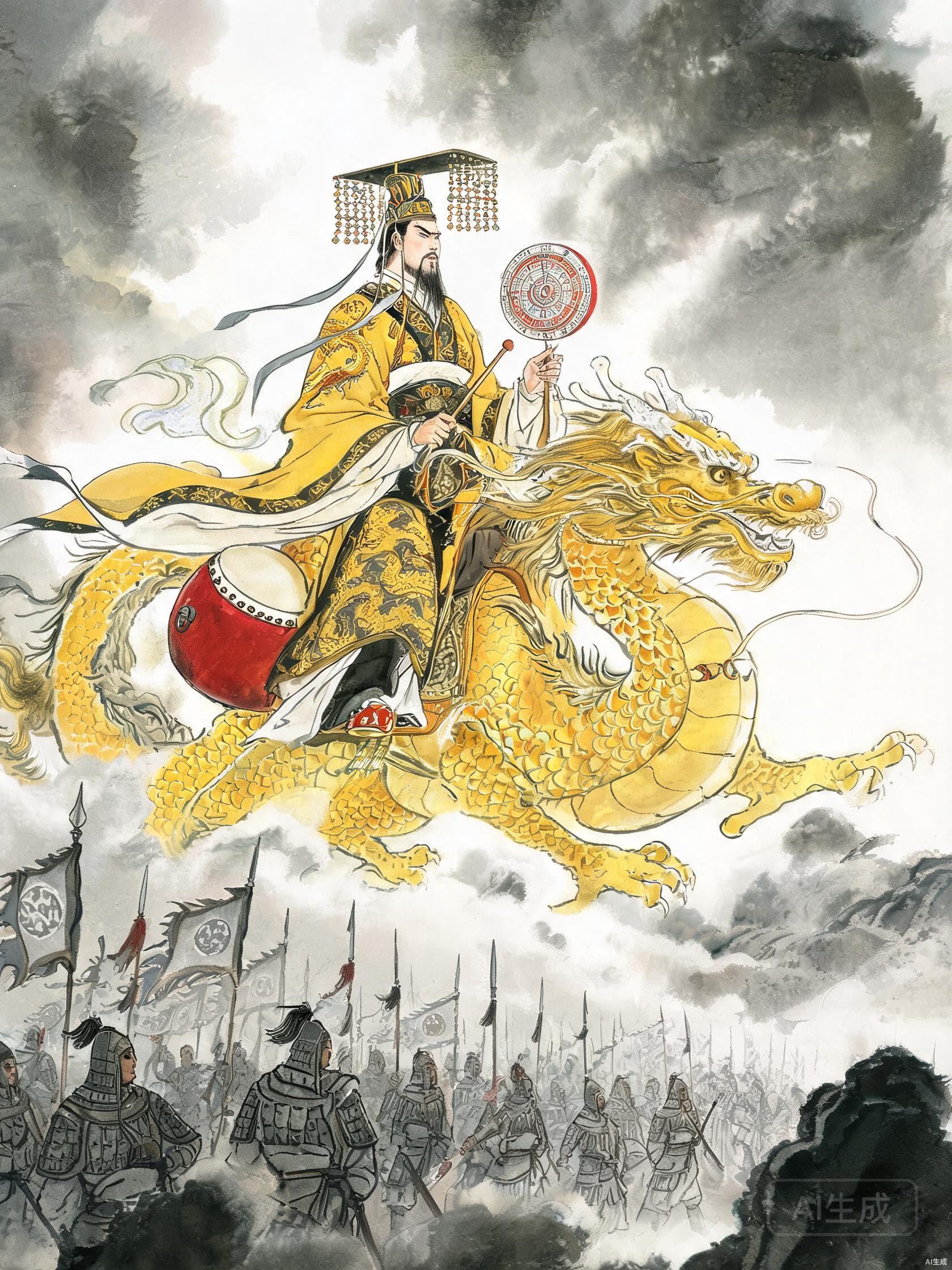
The Yellow Emperor — the sage-king whose cosmological system underlies Dongzhi
Dongzhi in Chinese Culture
In the Chinese calendar, Dongzhi marks the beginning of the 'nine nines' (九九, jiǔjiǔ) — a system of counting the days from the solstice through nine cycles of nine days each (81 days total), until the arrival of spring. Each 'nine' has its own folk rhyme describing the changing conditions: the first nine is the coldest, the third nine is the peak of winter, and by the ninth nine, the ice has melted and farmers begin plowing. This system, still used in rural China, turns the abstract passage of winter into a tangible, countable progression — each nine bringing the world one step closer to spring.
In modern China, Dongzhi is not a public holiday — it does not carry the official weight of Spring Festival or the National Day. But its cultural importance remains enormous. Families still gather, restaurants still serve tangyuan and jiaozi specials, and the phrase 'have you eaten tangyuan?' is the standard Dongzhi greeting among friends. The festival also carries a remembrance aspect: in some regions, families visit the graves of their ancestors on Dongzhi, honoring the dead at the turn of the year — the moment when the old passes and the new begins. This connection to the ancestors makes Dongzhi not just a seasonal marker but a moment of continuity: the family that gathers today is the same family that has gathered on this longest night for two thousand years, and the tangyuan they eat are the same round shapes that their ancestors ate, in the same warmth, against the same cold.
Mythology Network
Connections & Relationships
Dongzhi is woven into a larger web of gods, creatures, and legends. Explore the connections below.
Dongzhi
冬至