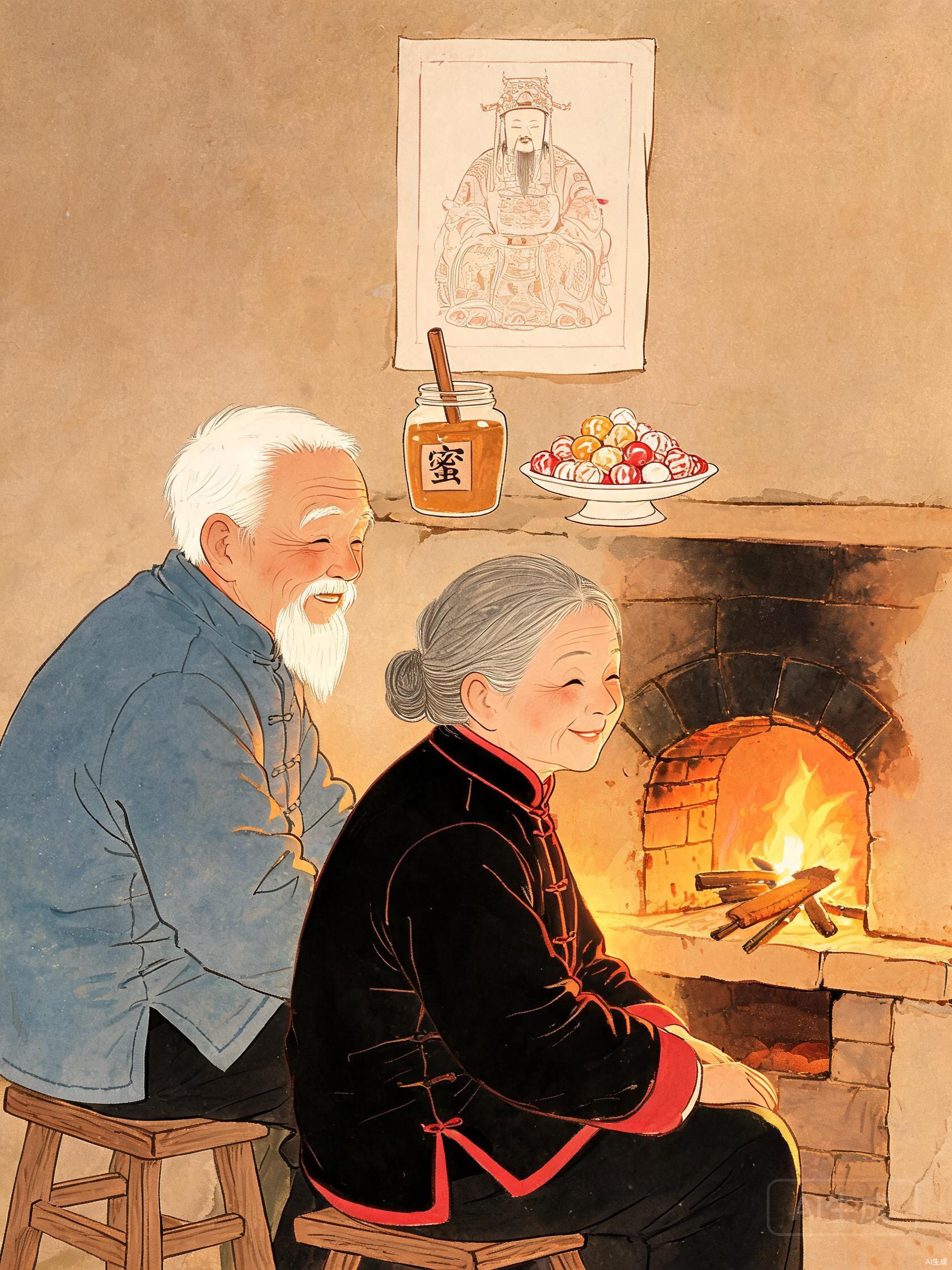
Laba Festival
腊八节
The Laba Festival — the day the Buddha attained enlightenment, celebrated with the eight-treasure congee.
Origin Story
What Is the Laba Festival?
The Laba Festival (腊八节) falls on the eighth day of the twelfth month of the lunar calendar — the month known in Chinese as 'la' (腊), the month of winter sacrifice. The festival's name combines 'la' (the twelfth lunar month) and 'ba' (eight, the day). Its position in the calendar is significant: it marks the beginning of the Spring Festival season, the weeks of preparation that culminate in the Lunar New Year. The saying goes: 'After Laba, it is the New Year' (过了腊八就是年) — meaning that once Laba arrives, the atmosphere of the New Year begins to build, and the pace of life accelerates toward the great festival.
The festival's religious origin is Buddhist. According to tradition, Siddhartha Gautama, the prince who would become the Buddha, spent six years in extreme asceticism — fasting, meditating, denying his body all comfort — in search of enlightenment. On the verge of death from his self-denial, he accepted a bowl of milk porridge from a girl named Sujata. This simple act of eating restored his strength and his perspective: he realized that the path to enlightenment lay not in extreme denial but in the Middle Way, the balance between indulgence and starvation. After eating the porridge, he sat beneath the bodhi tree and, after a night of meditation, attained enlightenment — becoming the Buddha, the Awakened One.
In Chinese Buddhism, this enlightenment is dated to the eighth day of the twelfth lunar month. Buddhist temples began the tradition of cooking a special porridge on this day — made from grains, beans, nuts, and dried fruits — and distributing it to the faithful as a merit-making act. Over centuries, this Buddhist temple tradition merged with Chinese folk culture, and Laba congee became a household dish, eaten by Buddhist and non-Buddhist families alike. The festival thus represents one of the most successful examples of syncretism in Chinese religious culture — a Buddhist origin story that became a folk tradition.
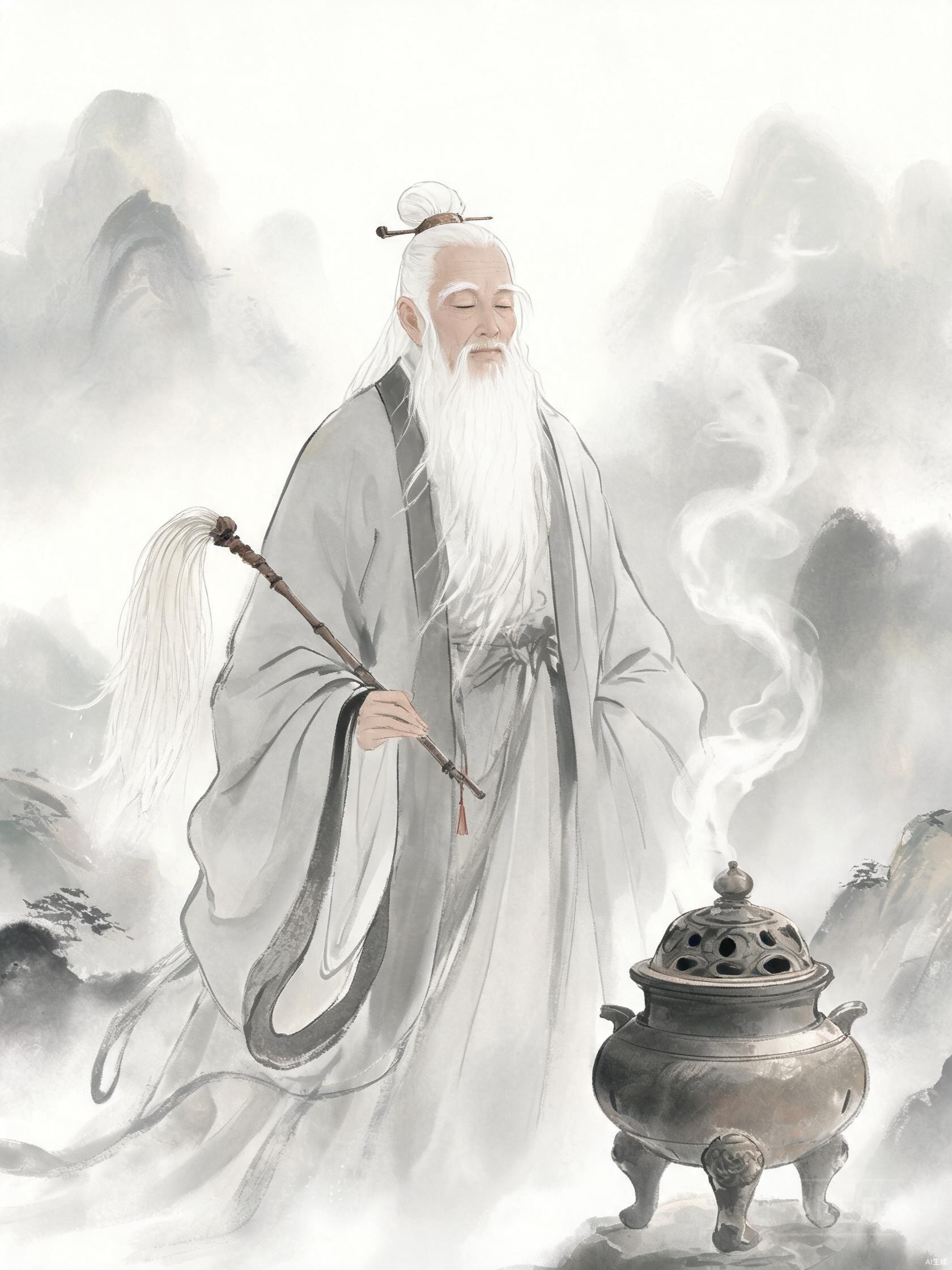
Laba — where Buddhist and Taoist traditions meet in the Chinese winter calendar
The Laba Festival (腊八节, 'Eighth Day of the Twelfth Month') falls on the eighth day of the twelfth lunar month and marks the traditional beginning of the Spring Festival season. It commemorates the day Siddhartha Gautama attained enlightenment and became the Buddha, after a girl offered him milk porridge to restore his strength from ascetic fasting. In China, the festival is celebrated by eating Laba congee (腊八粥) — a sweet or savory porridge made from eight or more grains, beans, nuts, and dried fruits, symbolizing abundance and the blending of diverse elements into a harmonious whole.
Powers & Symbols
Attributes & Artefacts
Click each card to reveal the details behind Laba Festival's divine attributes.
Historical & Cultural Meaning
Beyond the Myth
The Eight-Treasure Congee
Laba congee (腊八粥, Làbā Zhōu) is the festival's centerpiece, and its preparation is an event in itself. The congee is made from at least eight ingredients — the number eight (八, bā) being auspicious in Chinese culture because it sounds like the word for 'prosper' or 'flourish' (发, fā). Common ingredients include glutinous rice, millet, red beans, mung beans, lotus seeds, dried jujube (red dates), peanuts, walnuts, chestnuts, dried longan, and rock sugar. The selection varies by region and family, but the principle is the same: many ingredients, each contributing its own flavor and texture, simmered together into a single, harmonious dish.
The symbolism of the congee is layered. First, it represents abundance — the gathering of many grains and fruits into one pot, a preview of the harvest to come and a prayer for prosperity in the new year. Second, it represents harmony — the blending of diverse elements into a whole that is richer than any of its parts, a culinary metaphor for the ideal community. Third, it represents compassion — the Buddhist tradition of giving food to the poor and the temple, a reminder that the path to enlightenment begins with generosity. In many regions, families cook extra Laba congee to share with neighbors, relatives, and the poor, extending the circle of generosity outward.
The preparation of Laba congee also has a practical dimension. In the agricultural calendar, the twelfth lunar month is the time when the year's harvest has been gathered and stored, and the family has the surplus of grain, beans, and dried fruits to make the congee. It is, in a sense, the first taste of the year's abundance — the moment when the fruits of the previous year's labor are transformed into a communal meal that marks the transition to the new year. The congee's warmth, served on a cold winter day, also serves the practical function of nourishing the body against the deep cold — just as Sujata's porridge nourished the Buddha.
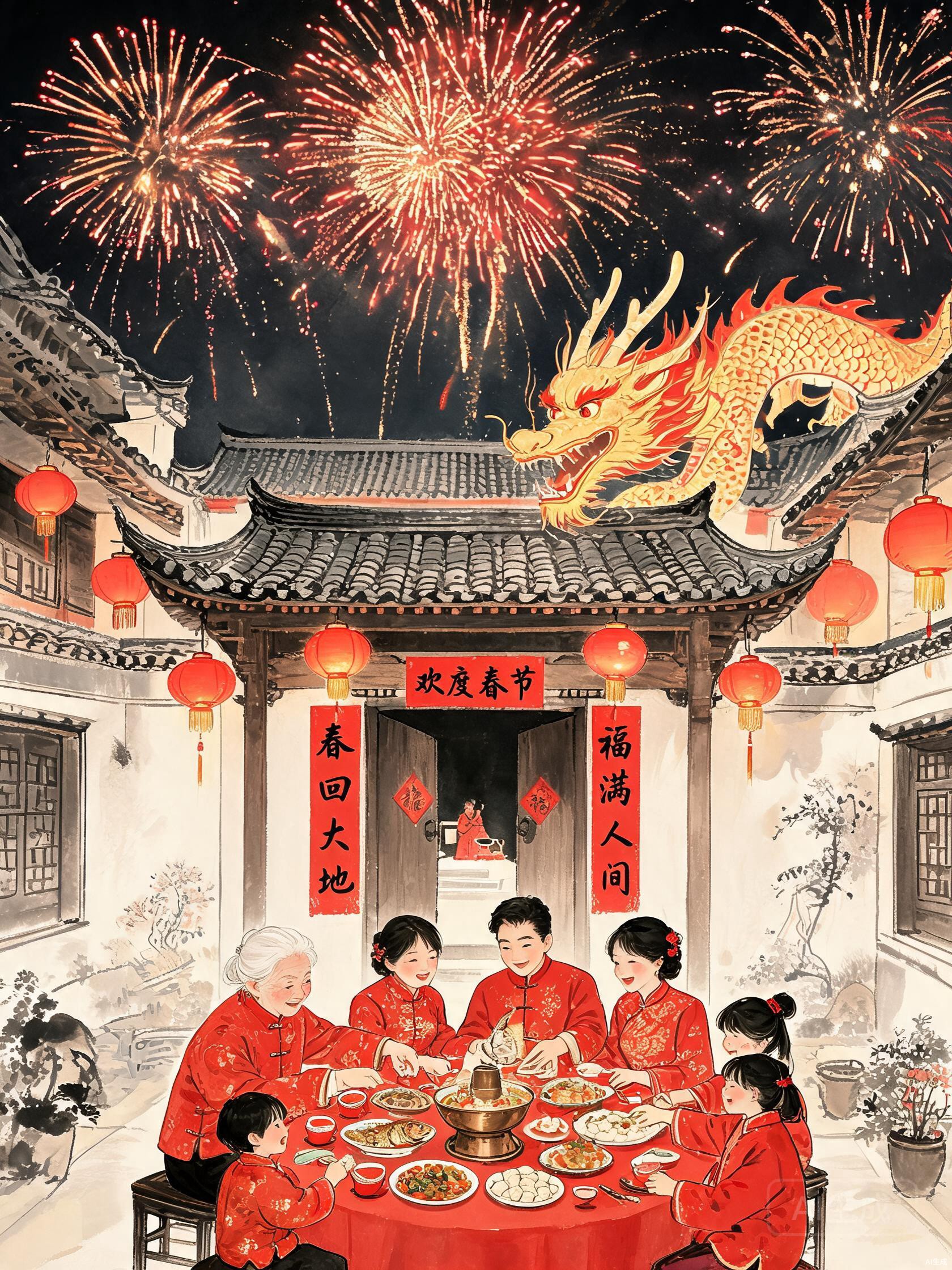
Laba — the opening note of the Spring Festival season
Laba in Chinese Culture
Beyond the congee, the Laba Festival has several other traditions. In northern China, families soak garlic in vinegar on Laba day, producing 'Laba garlic' (腊八蒜) — cloves that turn emerald green and acquire a tangy flavor over the following weeks, ready to be eaten with dumplings at the Spring Festival. In some regions, Laba is the day to make Laba tofu (腊八豆腐), a preserved tofu that lasts through the winter. These preserved foods represent the ancient logic of the agricultural calendar: use the cold of winter to preserve food, so that the abundance of the harvest can sustain the family through the lean months.
The Laba Festival also carries a significance in the Buddhist temples of China. On this day, temples hold special ceremonies, chant sutras, and distribute congee to the public — sometimes to thousands of people who line up for hours to receive the temple's blessing. The congee, blessed by the monks, is believed to carry merit: eating it brings good fortune, health, and spiritual progress in the coming year. This temple tradition keeps the festival's Buddhist roots alive even as the household tradition has become fully secularized.
In modern China, the Laba Festival retains its place as the unofficial start of the Spring Festival season. Supermarkets begin selling pre-packaged Laba congee ingredient kits, restaurants serve special Laba menus, and the phrase 'Laba is here, the New Year is coming' echoes through social media. The festival, rooted in a Buddhist story about a prince who ate porridge and became the Buddha, has become a Chinese folk celebration of abundance, generosity, and the approach of spring — a reminder that the longest season of cold is also the season of preparation, and that the warmth of the new year begins, every year, with a single bowl of congee.
Mythology Network
Connections & Relationships
Laba Festival is woven into a larger web of gods, creatures, and legends. Explore the connections below.
Laba Festival
腊八节