Wudang Mountains
Wǔdāng Shān
Overview
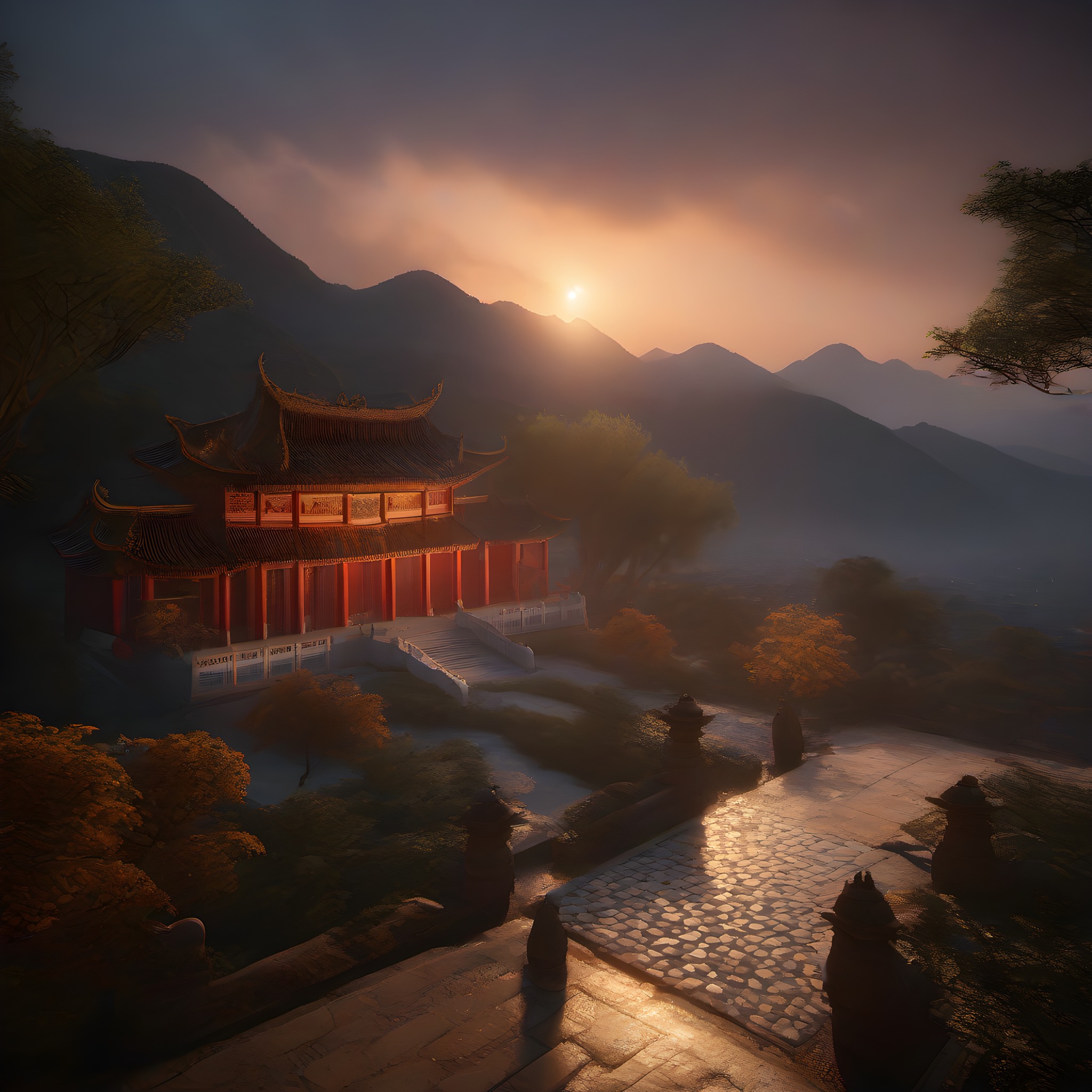
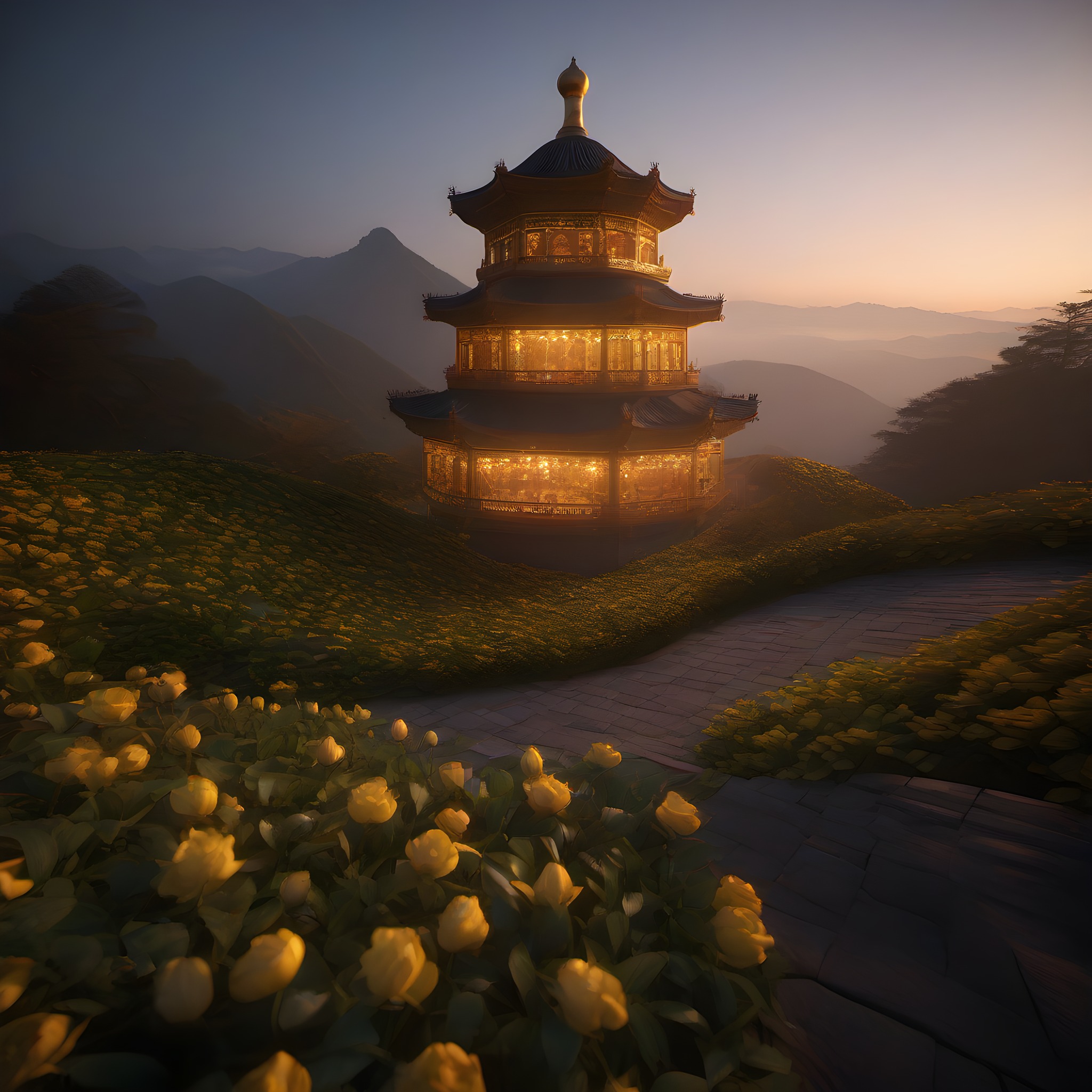
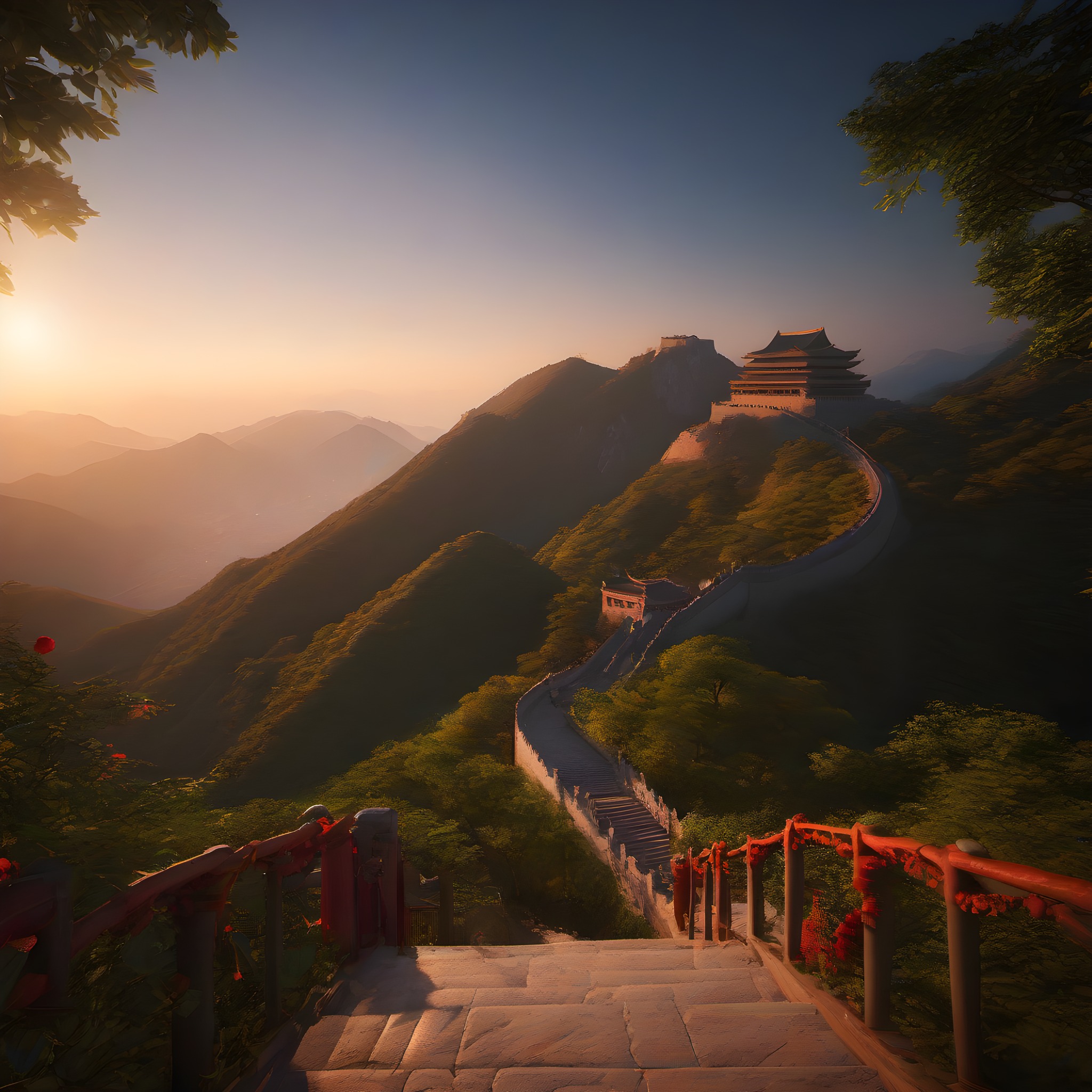
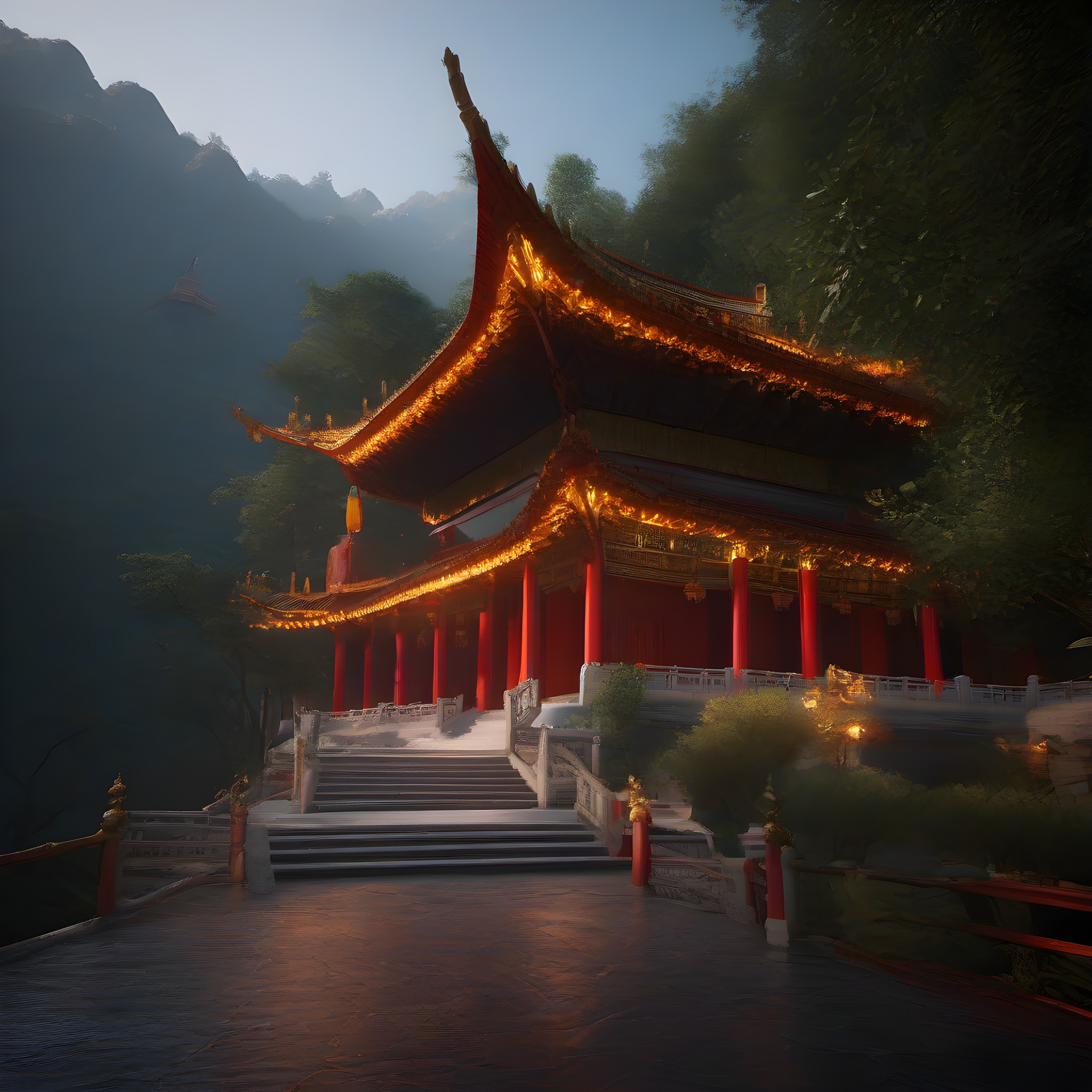
Wudang Mountains are the most sacred site of Taoism in China, a UNESCO World Heritage complex of temples and monasteries nestled in misty peaks. It is the legendary birthplace of Tai Chi Chuan and the spiritual center of Taoist internal alchemy.
History
Wudang's religious history dates back to the Tang Dynasty (618-907), but it was during the Ming Dynasty that the complex reached its greatest glory. Emperor Yongle (1402-1424) ordered the construction of 9 palaces, 9 monasteries, 36 nunneries, and 72 temples, making Wudang the largest religious complex in China.
The emperor elevated the Taoist deity Zhenwu (the Perfected Warrior) to the position of imperial protector, and Wudang became the spiritual counterweight to the temporal power of the Forbidden City in Beijing.
Tai Chi & Internal Arts
According to legend, the Taoist monk Zhang Sanfeng observed a battle between a snake and a crane on Wudang Mountain and was inspired to create the internal martial art of Tai Chi Chuan. Unlike external martial arts that rely on muscular force, Tai Chi cultivates internal energy (qi) through softness, yielding, and circular movements.
Wudang martial arts encompass Tai Chi, Bagua Zhang, and Xing Yi Quan — the three internal styles that emphasize the unity of mind, breath, and body.