
Chang'e
嫦娥
The moon goddess who drank the elixir of immortality and flew to the moon.
Origin Story
Who Is Chang'e?
Chang'e is the goddess of the moon in Chinese mythology. She lives in the Guanghan Palace (Vast Cold Palace) on the moon, accompanied only by the Jade Rabbit who pounds the elixir of immortality.
Her story is inseparable from the Mid-Autumn Festival, when Chinese families gather to look at the full moon, eat mooncakes, and remember her lonely exile.
Chang'e is the Chinese moon goddess, forever living alone in the Moon Palace. Her story is one of love, loss, and the Mid-Autumn Festival — the second most important holiday in Chinese culture.
Powers & Symbols
Attributes & Artefacts
Click each card to reveal the details behind Chang'e's divine attributes.
Historical & Cultural Meaning
Beyond the Myth
The Story of Chang'e and Hou Yi
Chang'e was originally the wife of [Hou Yi](/myths/hou-yi-and-change), the legendary archer who shot down nine of the ten suns that were scorching the earth. As a reward, the Queen Mother of the West gave Hou Yi the Elixir of Immortality — enough for one person.
[Hou Yi](/gods/hou-yi) did not want to become immortal without Chang'e, so he kept the elixir hidden. But while he was away hunting, Chang'e discovered it. In some versions, she drank it to keep it from a treacherous apprentice; in others, curiosity led her to taste it. Either way, the elixir took effect immediately.
Chang'e began to float upward, toward the sky. She tried to cling to the furniture, but the pull was irresistible. She flew higher and higher, until she reached the moon — the closest celestial body to earth. There she has remained ever since, beautiful, [immortal](/gods/buddha-shakyamuni), and alone.
Chang'e's flight to the moon — the origin of the Mid-Autumn Festival
The Jade Rabbit
On the moon, Chang'e is accompanied by the Jade Rabbit (Yutu), who eternally pounds the elixir of life with a mortar and pestle. In Chinese folklore, the markings on the full moon are said to resemble a rabbit at work.
The Jade [Rabbit](/zodiac/zodiac-rabbit) is so beloved that China's lunar rover, deployed by the Chang'e 3 mission in 2013, was named Yutu — connecting ancient mythology to modern space exploration.
Chang'e and the Mid-Autumn Festival
The [Mid-Autumn](/folklore/mid-autumn-festival) Festival (Zhongqiu Jie) falls on the 15th day of the 8th lunar month, when the moon is at its fullest and brightest. Families gather to share mooncakes — round pastries symbolizing reunion — and look up at the moon, where Chang'e is said to be visible in her palace.
The festival is the second most important in Chinese culture after the Lunar New Year. It celebrates family unity, harvest, and the bittersweet beauty of distance and longing.
Sources & References
Primary classical texts: Shanhaijing (山海经, Classic of Mountains and Seas, c. 4th-2nd century BCE) · Fengshen Yanyi (封神演义, Investiture of the Gods, c. 16th century) · Journey to the West (西游记, Xiyouji, c. 16th century) · Records of the Grand Historian (史记, Shiji, by Sima Qian, c. 91 BCE) · Classic of Mountains and Seas commentary (郭璞注 Shanhaijing, c. 4th century) · Bamboo Annals (竹书纪年, c. 4th century BCE onwards)
Classical translations: Legge, James (trans.). The Sacred Books of the East (1879-1910, 50 volumes covering Chinese classics) · Girardot, Norman J. Myth and Meaning in Early Taoism (University of California Press, 1983) · Werner, E.T.C. A Dictionary of Chinese Mythology (Shanghai: Kelly & Walsh, 1932)
Modern academic references: Birrell, Anne. Chinese Mythology: An Introduction (Baltimore: Johns Hopkins University Press, 1993) · Yang, Lihui, and Deming An. Handbook of Chinese Mythology (New York: Oxford University Press, 2005) · Strassberg, Richard E. A Chinese Bestiary: Strange Creatures from the Guideways Through Mountains and Seas (Berkeley: University of California Press, 2002)
Digital encyclopedias and online resources: Wikipedia — Chinese mythology portal (continuously updated, citations to primary sources) · Encyclopedia Britannica — Mythology and Religion section
Mythology Network
Connections & Relationships
Chang'e is woven into a larger web of gods, creatures, and legends. Explore the connections below.
Chang'e
嫦娥

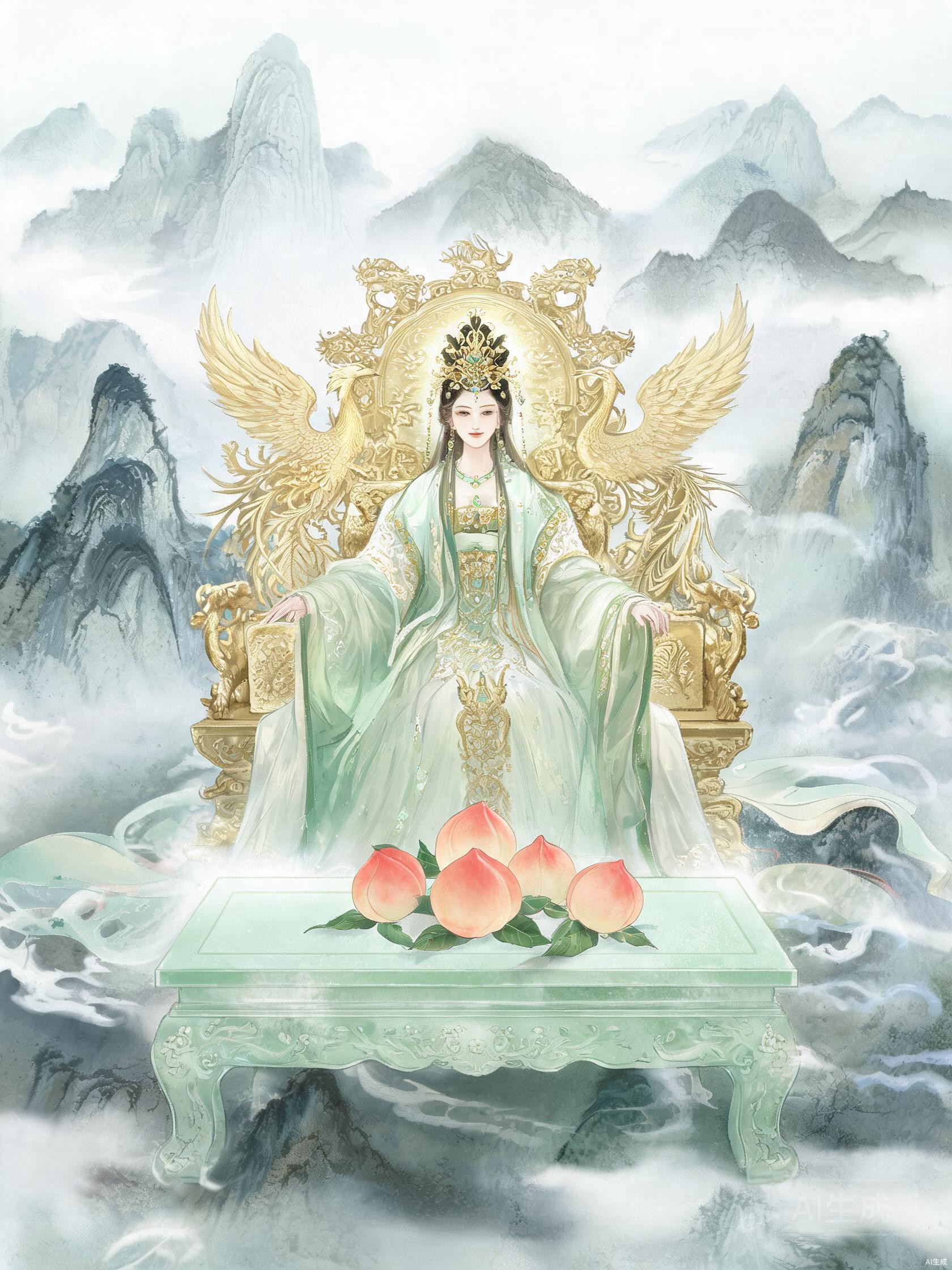

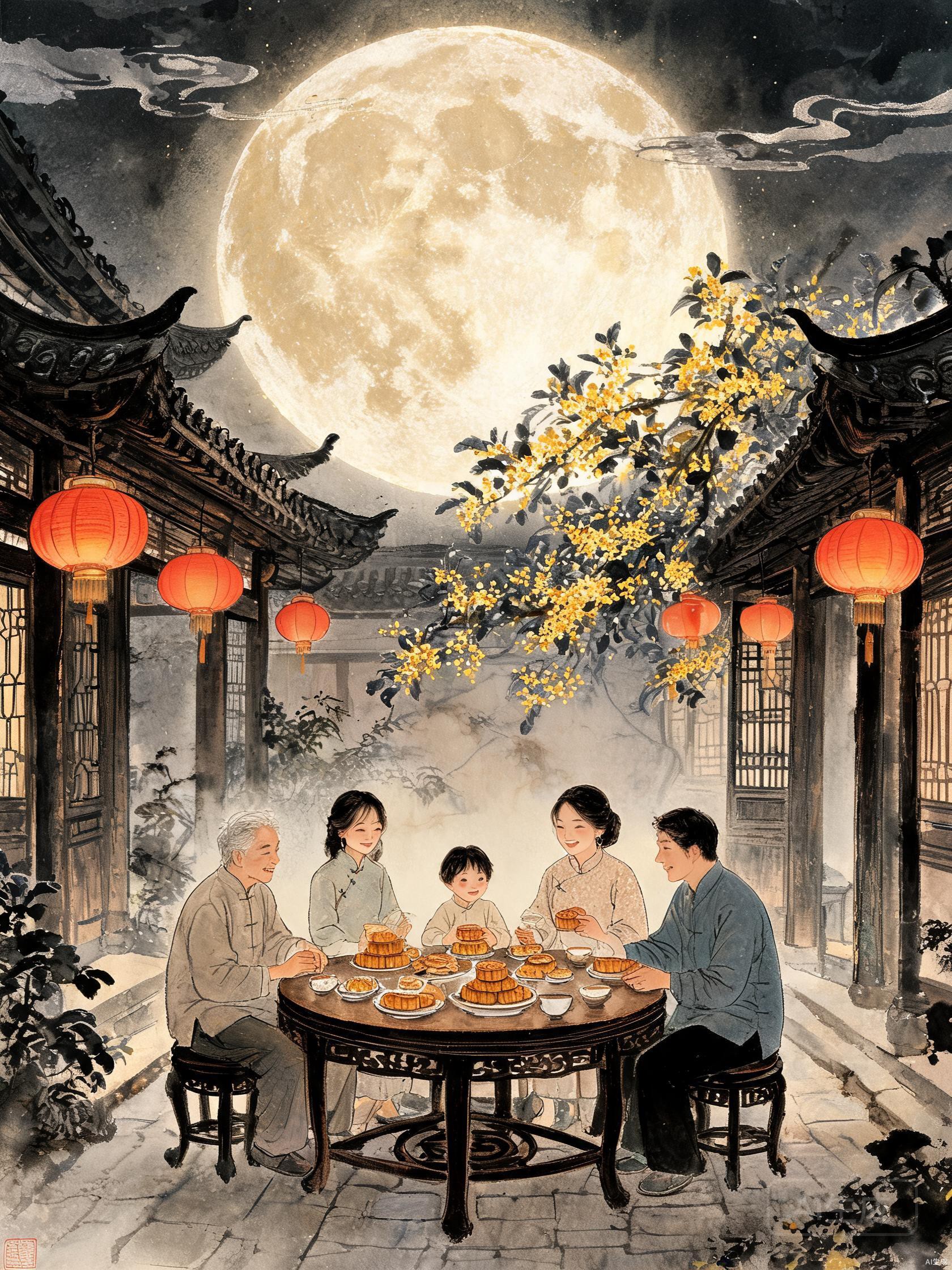
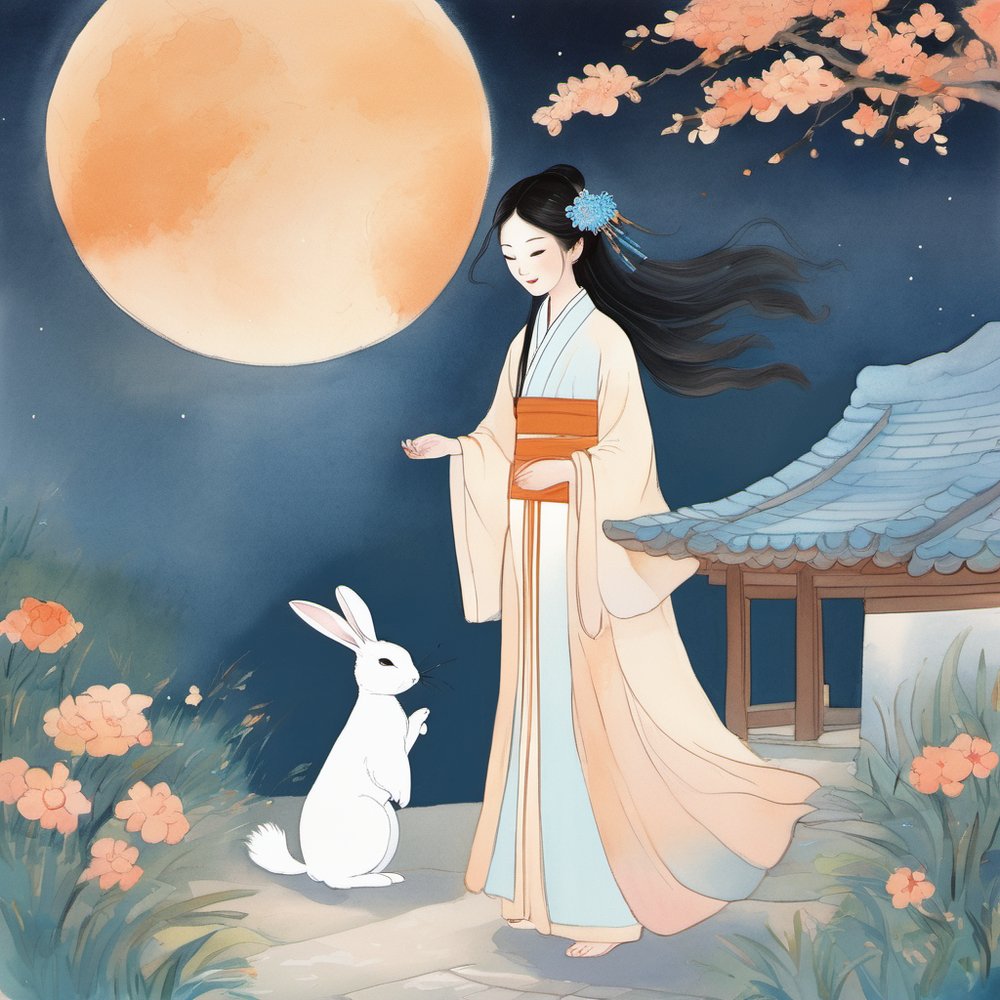
📖 Bilingual Picture Book · Ages 4-8 · 22 pages
嫦娥 — read the whole story, in two languages
The beloved Mid-Autumn Festival legend — Chang'e's journey to the moon, told in English and Chinese on every page. 22 illustrated pages for bedtime and festival nights.
Get the PDF — $4.99Instant download · English + 中文 · Read on any device
Explore the Topic
Chang'e in the Mythology Network
Go deeper — read the topic guides that gather every deity like Chang'e.