
Hou Yi and Chang'e
后羿嫦娥
The archer who saved the world and the wife who flew to the moon.
Origin Story
Ten Suns in the Sky
In ancient times, ten suns — the children of the celestial emperor Di Jun — lived in a great mulberry tree. Each morning, one sun would cross the sky, giving warmth and light. The system worked in harmony for ages.
But one day, all ten suns decided to appear in the sky at once. The earth was scorched. Rivers dried up, crops withered, forests burned, and people died. Monsters emerged from the chaos — a serpent demon, a giant boar, a nine-headed bird. The world was on the brink of destruction.
The tragic love story of the archer Hou Yi, who shot down nine suns to save the earth, and his wife Chang'e, who drank the elixir of immortality and flew to the moon — the origin of the Mid-Autumn Festival.
Powers & Symbols
Attributes & Artefacts
Click each card to reveal the details behind Hou Yi and Chang'e's divine attributes.
Historical & Cultural Meaning
Beyond the Myth
Hou Yi Shoots the Suns
The celestial emperor sent Hou Yi, the greatest archer in the world, to solve the crisis. Hou Yi climbed to the top of a mountain, drew his great bow, and fired. His arrows pierced the sky, and one by one, the suns fell. He shot down nine suns, leaving only one to light and warm the earth.
Hou Yi also slew the monsters that had emerged during the disaster. He saved the world — but his solution angered the celestial emperor, who had only wanted his sons to be frightened, not killed. As punishment, Hou Yi and his wife Chang'e were exiled from heaven to live as mortals on earth.
Hou Yi shooting the nine suns — the heroic act that led to Chang'e's flight
The Elixir and the Moon
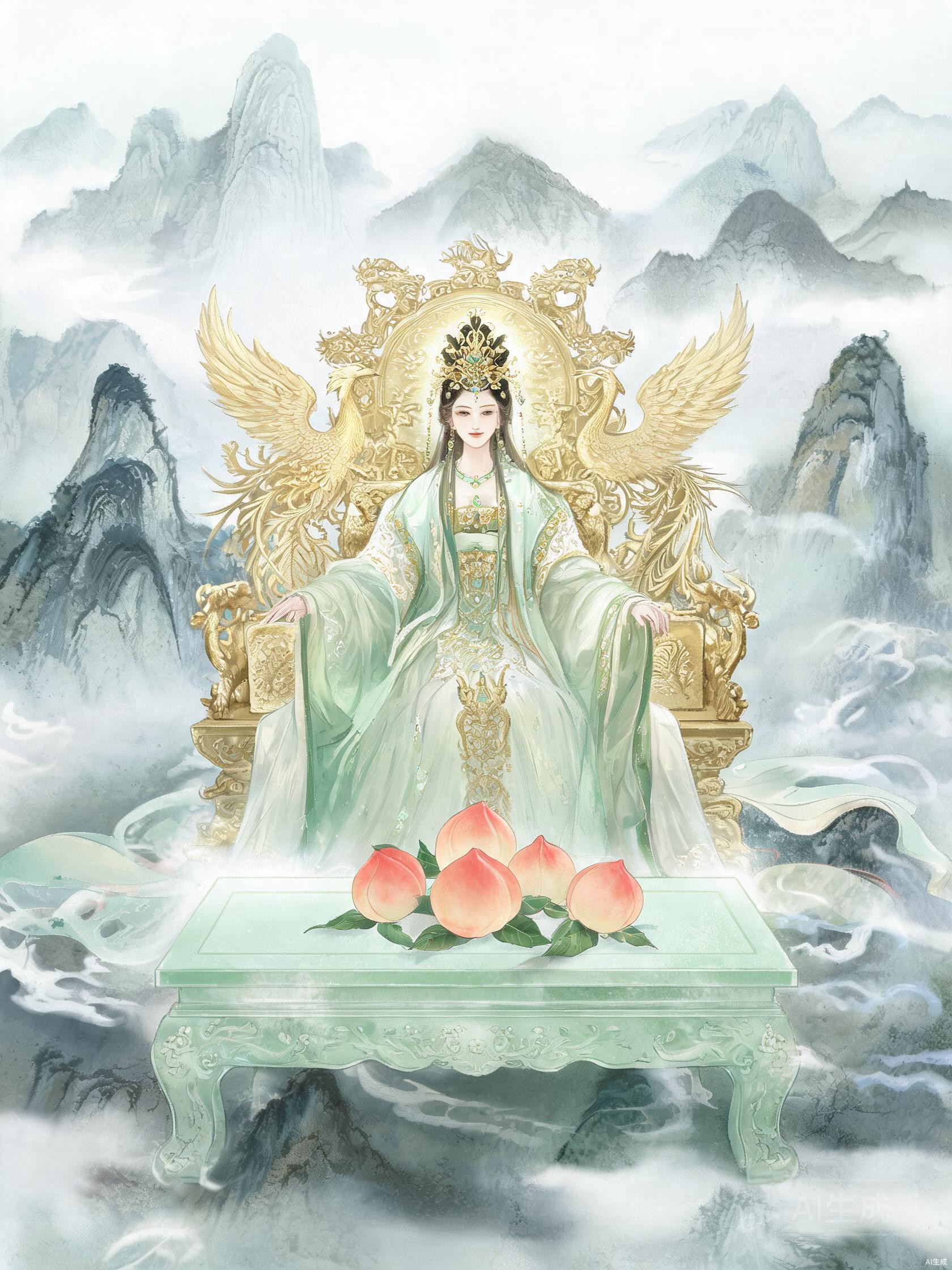
Hou Yi could not bear the thought of mortality. He traveled to the Queen Mother of the West (Xiwangmu) and begged for the Elixir of Immortality. She gave it to him — enough for one person. Hou Yi could not bear to live forever without Chang'e, so he kept the elixir hidden, planning to find a way to obtain a second dose.
While [Hou Yi](/myths/hou-yi-and-change) was away hunting, Chang'e discovered the elixir. In some versions, she was forced to drink it to protect it from Hou Yi's treacherous apprentice Feng Meng. In others, curiosity overcame her. Either way, the moment she swallowed it, she began to float upward, toward the sky.
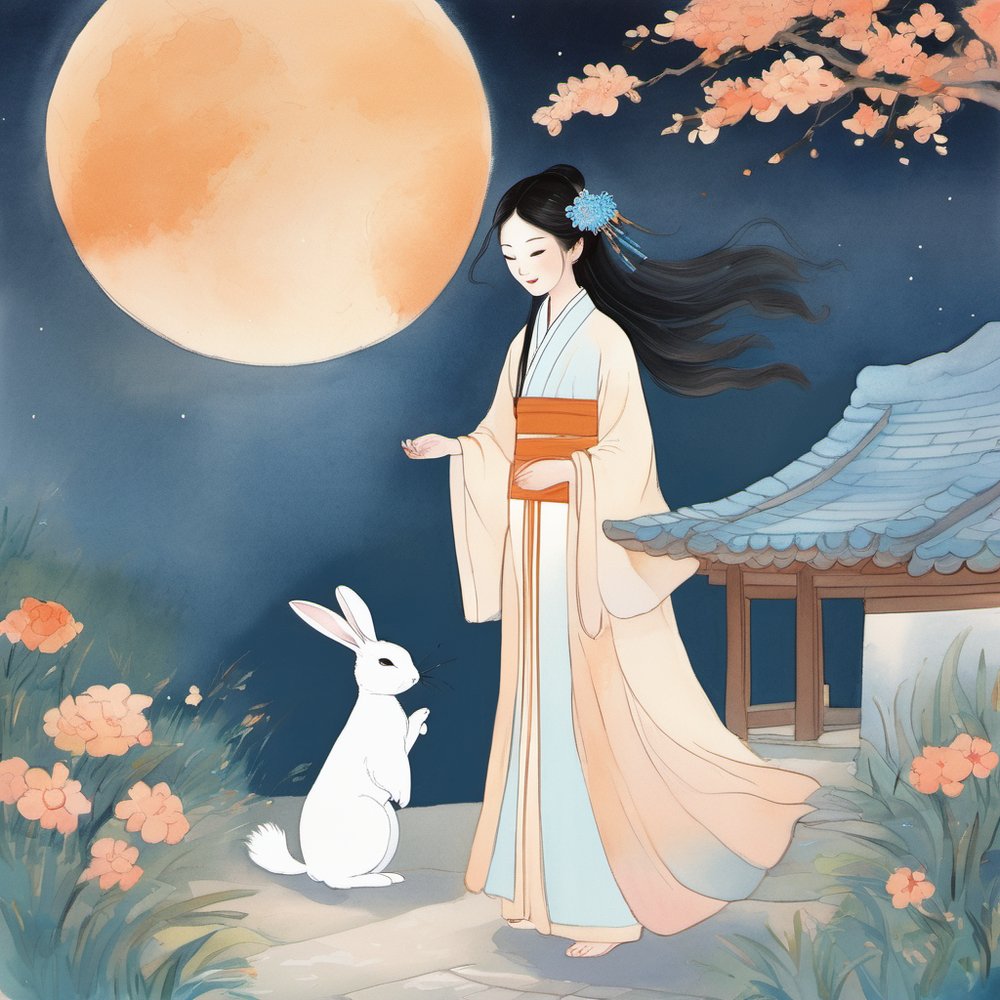
She tried to grab hold of the furniture, the curtains, the roof — but the pull was irresistible. She rose higher and higher, and chose to land on the moon, the closest celestial body, because it was the nearest to her husband on earth. There she remains, beautiful, immortal, and alone, in the Guanghan Palace.
The Mid-Autumn Festival
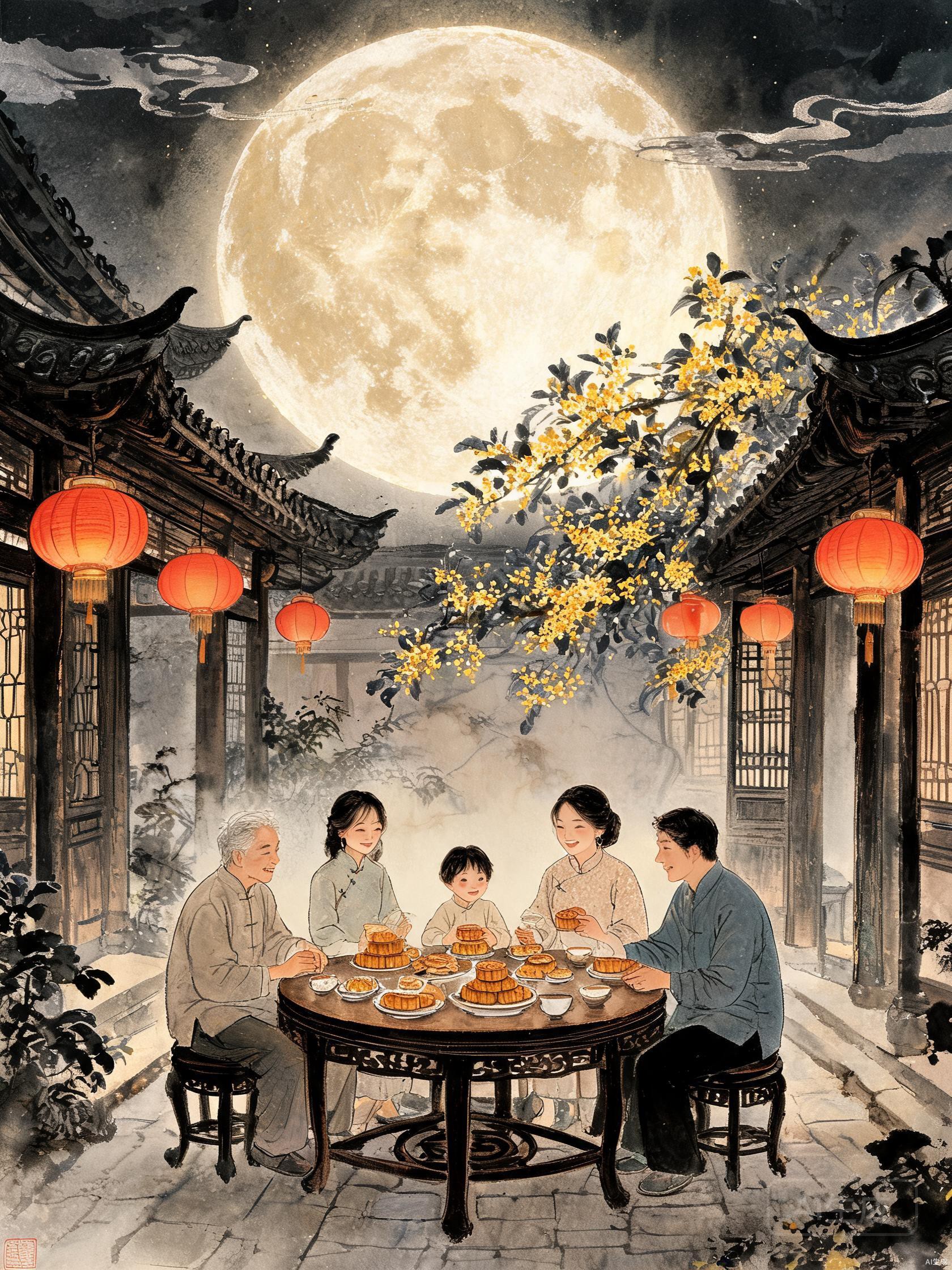
When [Hou Yi](/gods/hou-yi) returned and found his wife gone, he looked up at the full moon and saw her shadow. He set up an altar with her favorite foods — mooncakes, fruits, sweet osmanthus wine — and offered them to the moon. This became the origin of the Mid-Autumn Festival.
Today, the [Mid-Autumn](/folklore/mid-autumn-festival) Festival (15th day of the 8th lunar month) is the second most important holiday in Chinese culture. Families gather under the full moon, eat mooncakes, and remember [Chang'e](/gods/change) — a woman whose story is about the impossible choice between love and [immortal](/gods/buddha-shakyamuni)ity.
Sources & References
Primary classical texts: Shanhaijing (山海经, Classic of Mountains and Seas, c. 4th-2nd century BCE) · Fengshen Yanyi (封神演义, Investiture of the Gods, c. 16th century) · Journey to the West (西游记, Xiyouji, c. 16th century) · Records of the Grand Historian (史记, Shiji, by Sima Qian, c. 91 BCE) · Classic of Mountains and Seas commentary (郭璞注 Shanhaijing, c. 4th century) · Bamboo Annals (竹书纪年, c. 4th century BCE onwards)
Classical translations: Legge, James (trans.). The Sacred Books of the East (1879-1910, 50 volumes covering Chinese classics) · Girardot, Norman J. Myth and Meaning in Early Taoism (University of California Press, 1983) · Werner, E.T.C. A Dictionary of Chinese Mythology (Shanghai: Kelly & Walsh, 1932)
Modern academic references: Birrell, Anne. Chinese Mythology: An Introduction (Baltimore: Johns Hopkins University Press, 1993) · Yang, Lihui, and Deming An. Handbook of Chinese Mythology (New York: Oxford University Press, 2005) · Strassberg, Richard E. A Chinese Bestiary: Strange Creatures from the Guideways Through Mountains and Seas (Berkeley: University of California Press, 2002)
Digital encyclopedias and online resources: Wikipedia — Chinese mythology portal (continuously updated, citations to primary sources) · Encyclopedia Britannica — Mythology and Religion section
Mythology Network
Connections & Relationships
Hou Yi and Chang'e is woven into a larger web of gods, creatures, and legends. Explore the connections below.
Hou Yi and Chang'e
后羿嫦娥


📖 Bilingual Picture Book · Ages 4-8 · 22 pages
嫦娥 — read the whole story, in two languages
The beloved Mid-Autumn Festival legend — Chang'e's journey to the moon, told in English and Chinese on every page. 22 illustrated pages for bedtime and festival nights.
Get the PDF — $4.99Instant download · English + 中文 · Read on any device
Explore the Topic
Hou Yi and Chang'e in the Mythology Network
Go deeper — read the topic guides that gather every legend like Hou Yi and Chang'e.