Shennong
神农
The Divine Farmer who tasted a hundred herbs and gave humanity agriculture and medicine.
Origin Story
Who Is Shennong?
Shennong, whose name means 'Divine Farmer,' is the second of the Three Sovereigns in the Chinese mythological tradition. He is the culture hero who transformed humanity from hunter-gatherers into farmers, and who founded the practice of herbal medicine through direct, dangerous experimentation on his own body.
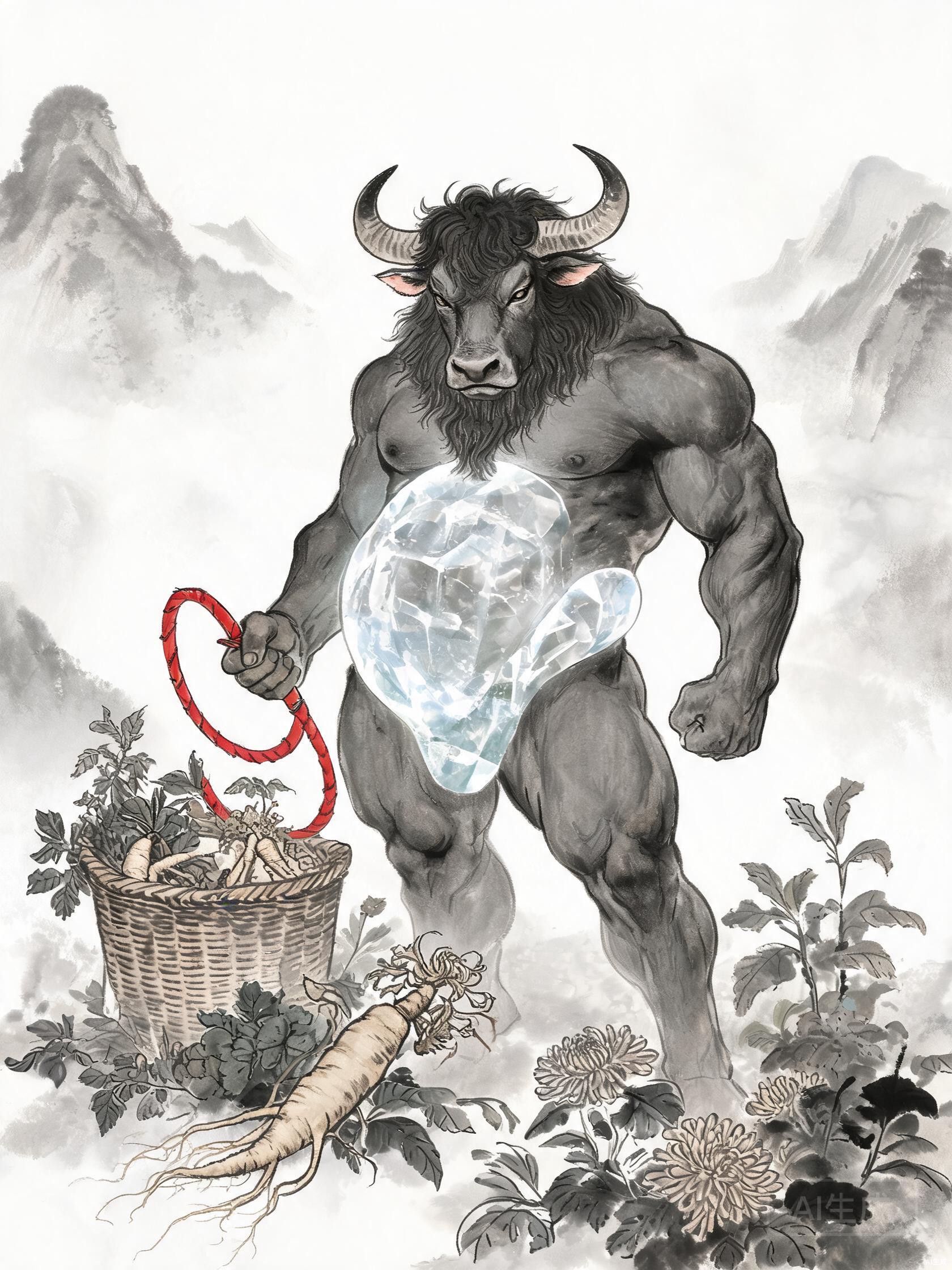
He is typically depicted with the head of an ox — a symbol of his connection to agriculture — and a transparent or crystal belly, through which he could observe the effects of the herbs he consumed. This anatomical feature allowed him to see exactly how each plant affected the internal organs, making him the perfect experimental subject.
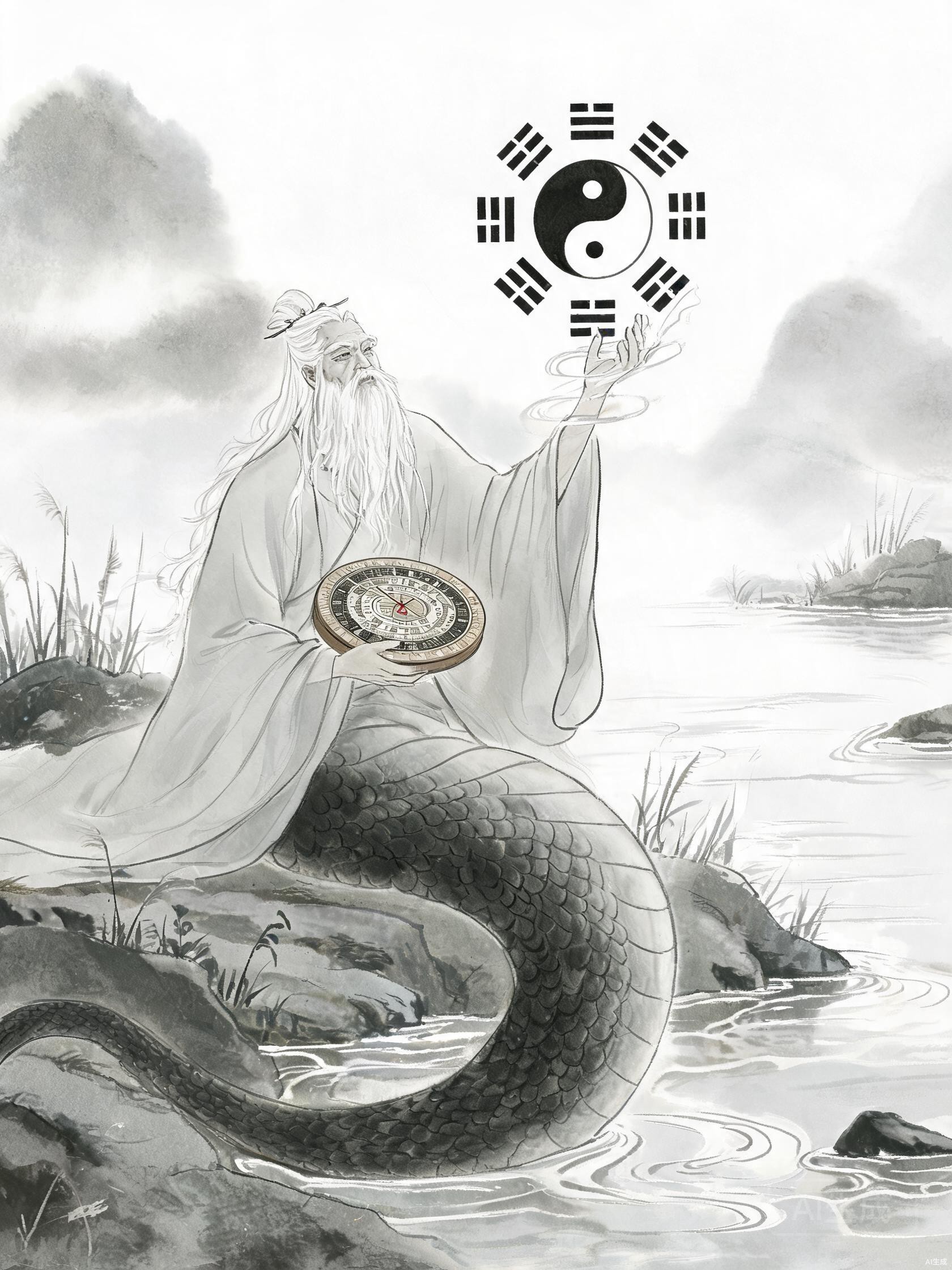
Where [Fuxi](/gods/fuxi) gave humanity culture and knowledge, Shennong gave humanity sustenance and healing. Together, they represent the two pillars of early Chinese civilization: the mind and the body, the symbol and the soil.
Shennong, the Divine Farmer, is one of the Three Sovereigns and the patron god of agriculture and herbal medicine. He is credited with inventing the plow, teaching humanity to farm, and personally tasting hundreds of herbs to discover their medicinal properties.
Powers & Symbols
Attributes & Artefacts
Click each card to reveal the details behind Shennong's divine attributes.
Historical & Cultural Meaning
Beyond the Myth
Shennong Tastes the Hundred Herbs
Shennong's defining myth is his selfless tasting of herbs. According to legend, he resolved to discover which plants could heal and which could harm. Armed with a red whip (the Shennong [Bian](/creatures/bian)) that could reveal the nature of any plant it struck, and his crystal belly that made the effects visible, he systematically tasted every herb in the land.
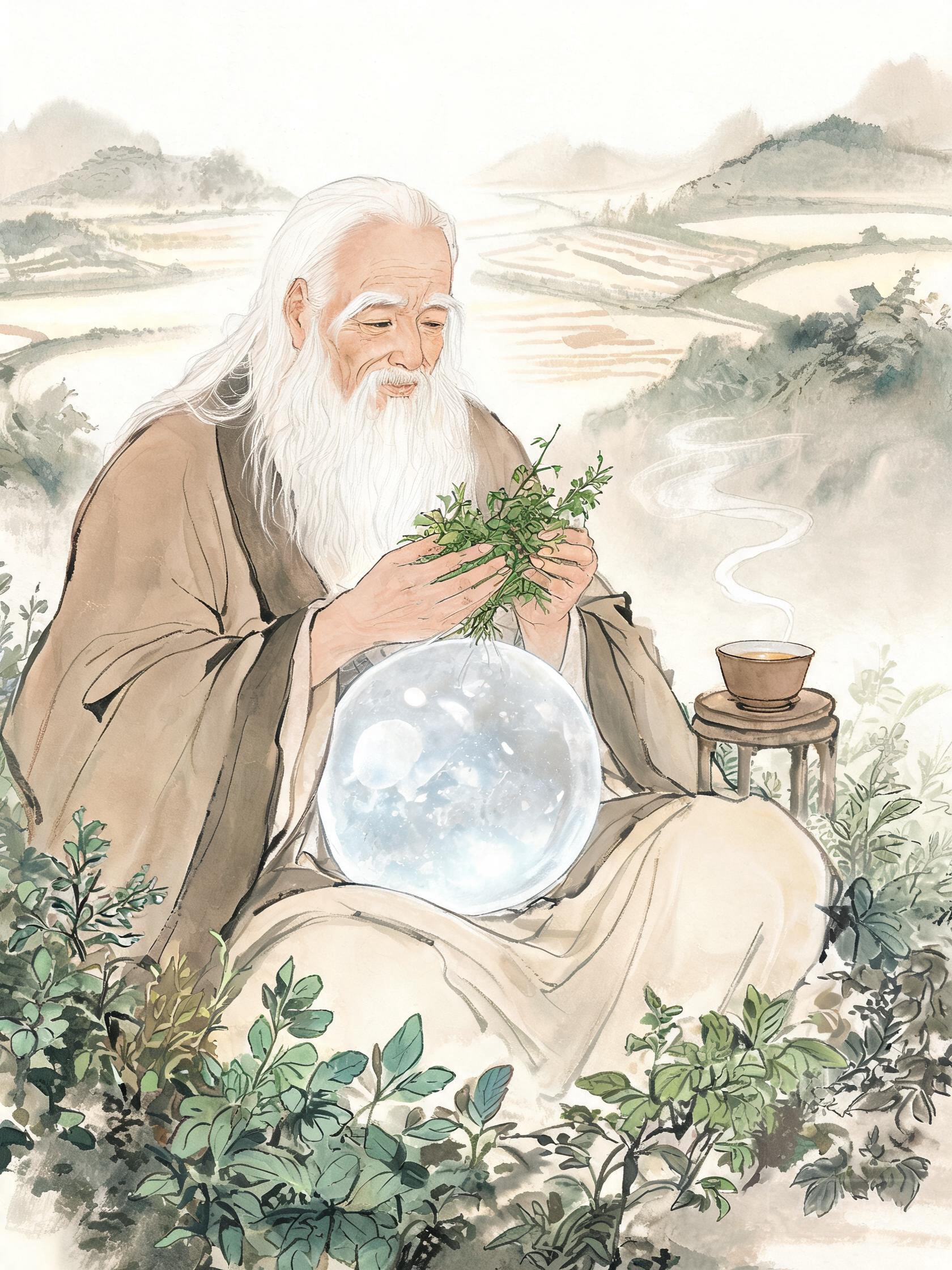
In a single day, Shennong was said to have encountered seventy-two poisons and survived them all through his divine constitution and knowledge of antidotes. He discovered that tea could counteract many toxins, and for this reason, tea is considered his gift to humanity — a daily beverage that is also a gentle medicine.
Ultimately, Shennong died after tasting the 'Intestine-Breaking Grass' (duanchang cao) — a poison so potent that even his divine body could not withstand it. His sacrifice gave humanity the Shennong Bencao Jing, the foundational text of Chinese herbal medicine, which catalogs hundreds of medicinal substances and their effects. This story embodies a profound value in Chinese culture: knowledge is won through sacrifice, and the greatest heroes are those who give their lives so that others may live.
Worship and Cultural Significance
Shennong is worshipped as the patron deity of farmers, herbalists, and apothecaries. Temples dedicated to him can be found throughout rural China, especially in regions with strong agricultural traditions. Farmers offer incense to him before planting and harvest, seeking his blessing for fertile fields and abundant crops.
The Shennong Bencao Jing, attributed to him, remains a foundational text of traditional Chinese medicine. It classified herbs into three categories — superior (non-toxic, nourishing), middle (mildly toxic, therapeutic), and inferior (toxic, used sparingly) — establishing a framework that still shapes Chinese pharmacology today.
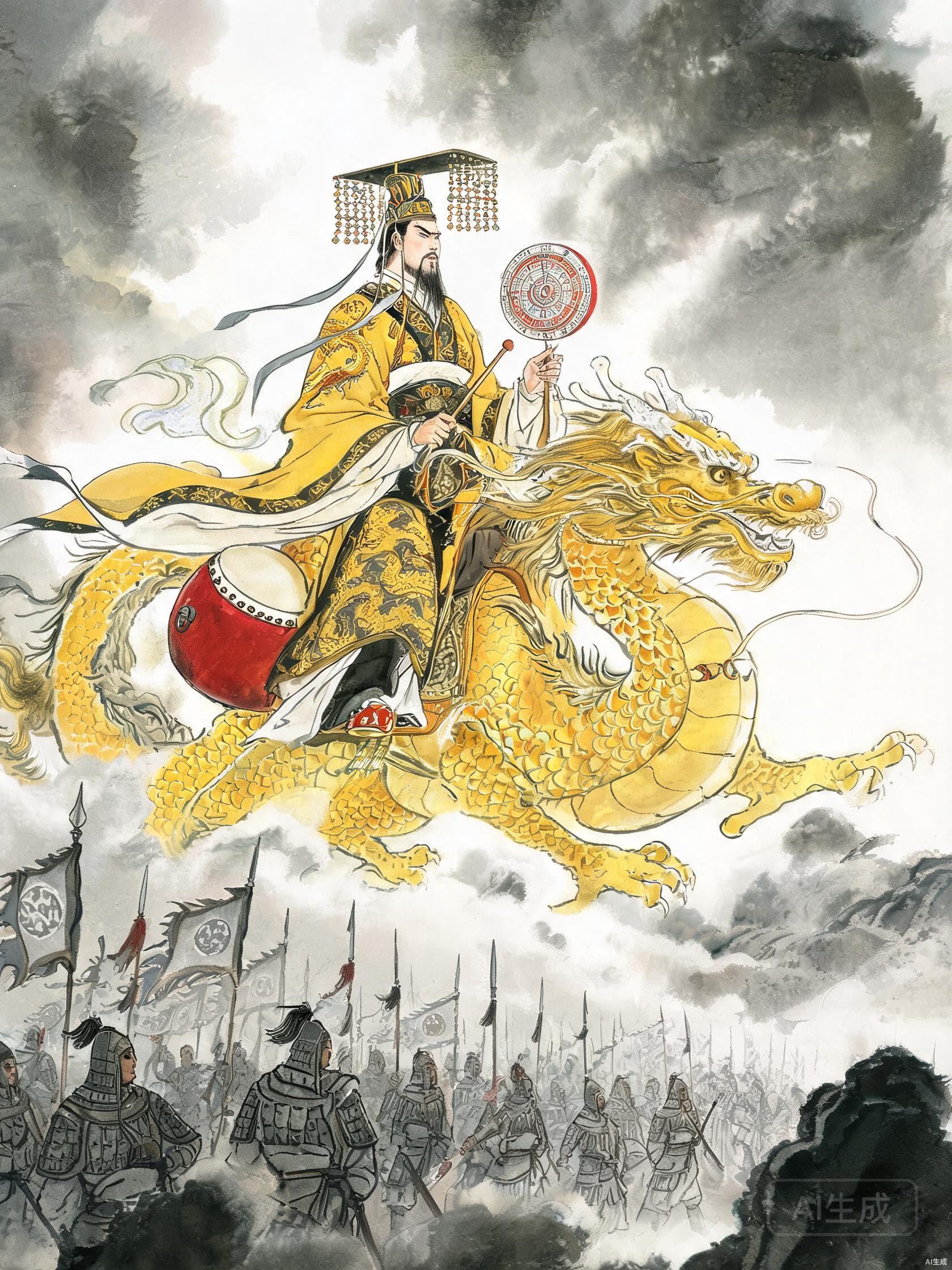
Shennong is also credited with inventing the plow, establishing markets for trade, and discovering fermentation. He is sometimes called the [Yan Emperor](/gods/yan-di) (Yandi), and together with the [Yellow Emperor](/gods/yellow-emperor), he is the co-ancestor of the Chinese people — the phrase 'descendants of Yan and Huang' refers to Shennong and the [Yellow Emperor](/folklore/yellow-emperor).
Shennong in Popular Culture
Shennong appears in historical dramas and mythological animations, usually portrayed as a rugged, benevolent figure tending to plants and healing the sick. In modern Chinese fantasy, his crystal belly and red whip are often reimagined as magical artifacts of immense power.
In traditional Chinese medicine circles, [Shennong](/gods/shennong) is invoked as the divine patron of the profession, and his image is commonly displayed in herbal pharmacies and medicine halls across China and the diaspora.
Sources & References
Primary classical texts: Shanhaijing (山海经, Classic of Mountains and Seas, c. 4th-2nd century BCE) · Fengshen Yanyi (封神演义, Investiture of the Gods, c. 16th century) · Journey to the West (西游记, Xiyouji, c. 16th century) · Records of the Grand Historian (史记, Shiji, by Sima Qian, c. 91 BCE) · Classic of Mountains and Seas commentary (郭璞注 Shanhaijing, c. 4th century) · Bamboo Annals (竹书纪年, c. 4th century BCE onwards)
Classical translations: Legge, James (trans.). The Sacred Books of the East (1879-1910, 50 volumes covering Chinese classics) · Girardot, Norman J. Myth and Meaning in Early Taoism (University of California Press, 1983) · Werner, E.T.C. A Dictionary of Chinese Mythology (Shanghai: Kelly & Walsh, 1932)
Modern academic references: Birrell, Anne. Chinese Mythology: An Introduction (Baltimore: Johns Hopkins University Press, 1993) · Yang, Lihui, and Deming An. Handbook of Chinese Mythology (New York: Oxford University Press, 2005) · Strassberg, Richard E. A Chinese Bestiary: Strange Creatures from the Guideways Through Mountains and Seas (Berkeley: University of California Press, 2002)
Digital encyclopedias and online resources: Wikipedia — Chinese mythology portal (continuously updated, citations to primary sources) · Encyclopedia Britannica — Mythology and Religion section
Mythology Network
Connections & Relationships
Shennong is woven into a larger web of gods, creatures, and legends. Explore the connections below.
Shennong
神农


Explore the Topic
Shennong in the Mythology Network
Go deeper — read the topic guides that gather every deity like Shennong.